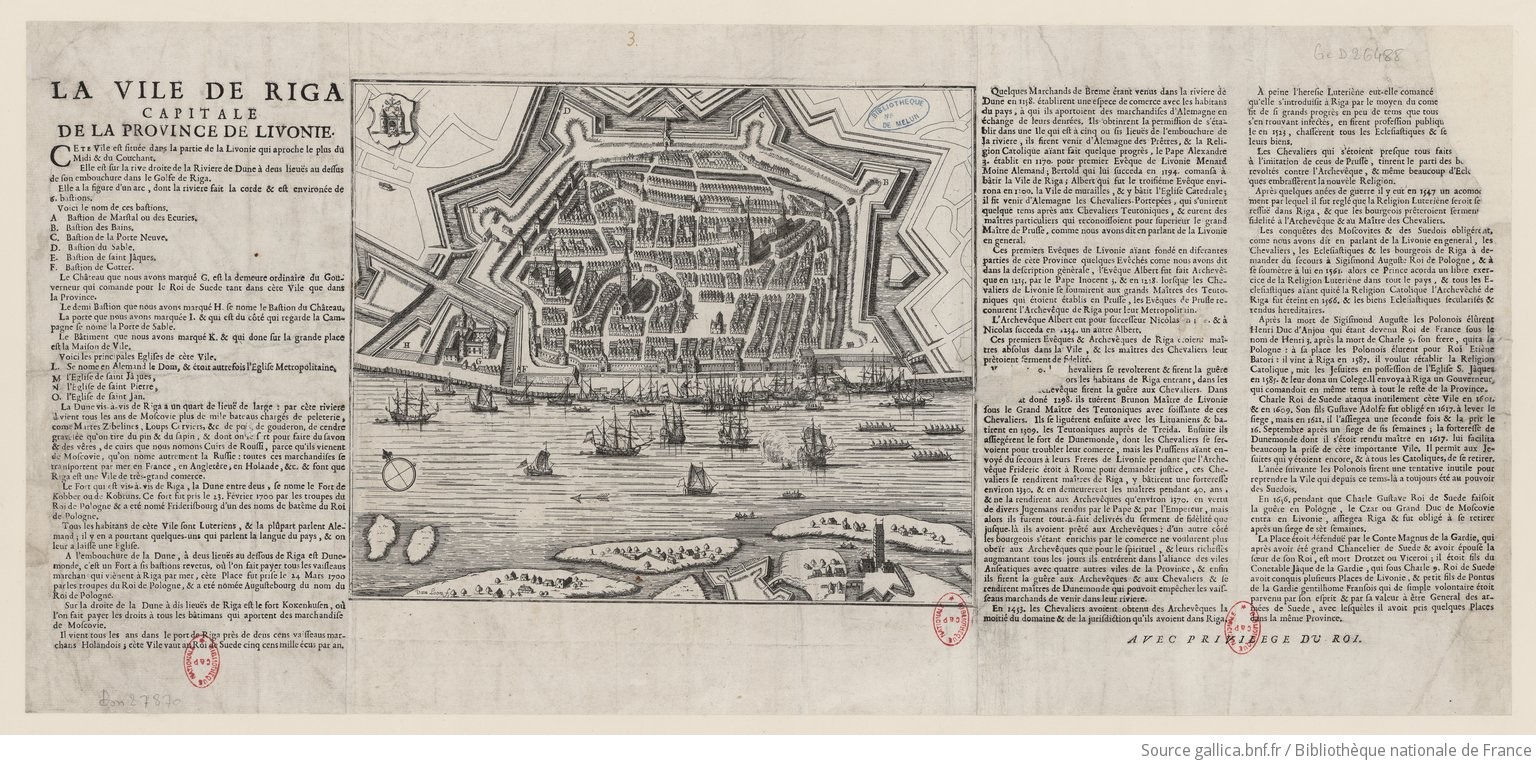
You've probably heard the term "Baltic Germans" — the ruling class who built Riga's cathedrals, ran the estates, staffed the Russian Empire's officer corps, and were uprooted overnight in 1939. It's the term historians use. It's the term Wikipedia uses. It's not the term they used for themselves.
What They Actually Called Themselves
By the 1840s, the German-speaking nobility of Livonia and Courland had settled on a different word: Balts. Not Germans. Balts. The distinction mattered enormously to them. They weren't Germans who happened to be in the Baltics — they were a Baltic people, with German roots, who had been here for 600 years. Their dialect was distinct. Their loyalties were local. The term "German Balts" (Baltendeutsche) is sometimes used as a compromise — and descendants today, gathered in associations across Germany, tend to prefer it.
"Baltic Germans" puts the German first. "German Balts" puts the Baltic first. For a people who spent 700 years insisting they belonged here, the order of the words is the whole argument.
Why It Still Matters When You're Standing in Latvia
When you stand in Rundāle Palace or look up at the spire of St Peter's Church in Riga — someone who called themselves a Balt built that. Not a German administrator on a posting abroad. Someone whose family had been buried in Latvian soil for twenty generations, who left in 1939 not because they wanted to but because they were ordered to. The 60,000 who boarded the ships were, by almost any measure, leaving home. They just happened to be going to a place called Germany.
Everything they built is still here. The medieval street plan of Riga's Old Town. The House of the Blackheads. St Peter's Church. Rundāle Palace. Bauska Castle. Over 1,200 manor houses across the Latvian countryside. Seven hundred years is a long time. You don't erase it in six weeks, even if you try.
The German Balts were colonisers who became locals who became exiles. They built a world and then lost it. And the Latvians who inherited it have done something wise: kept the buildings, learned the lessons, and added their own chapters. — Daiga
These Stories Are Still Standing
Rundāle Palace and Bauska Castle are the two best-preserved monuments to the world the German Balts built. On my full-day excursion from Riga I take you through both — and tell you the stories that aren't on any plaque.
See the Excursion →