Last updated: 14 May 2026
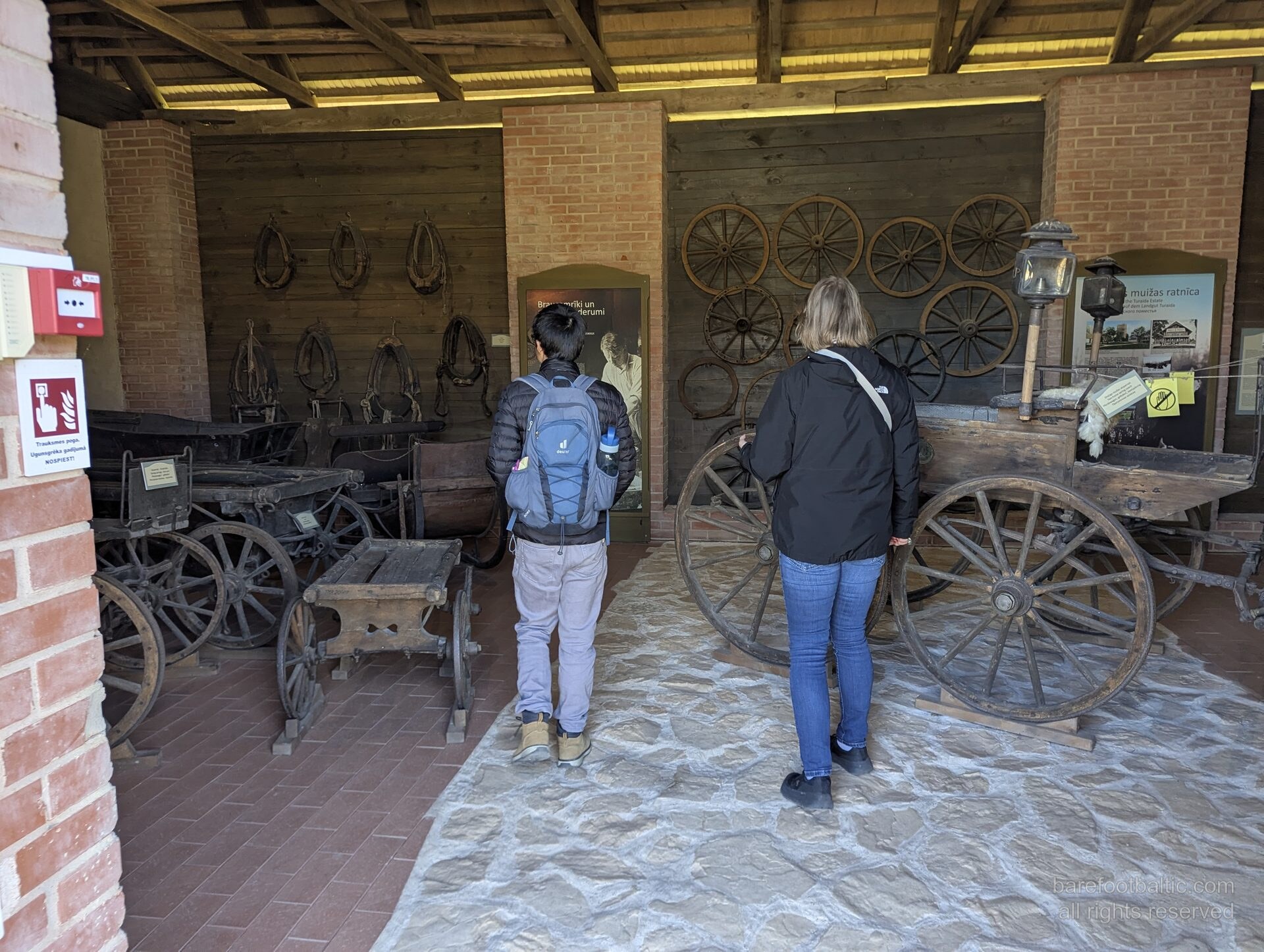
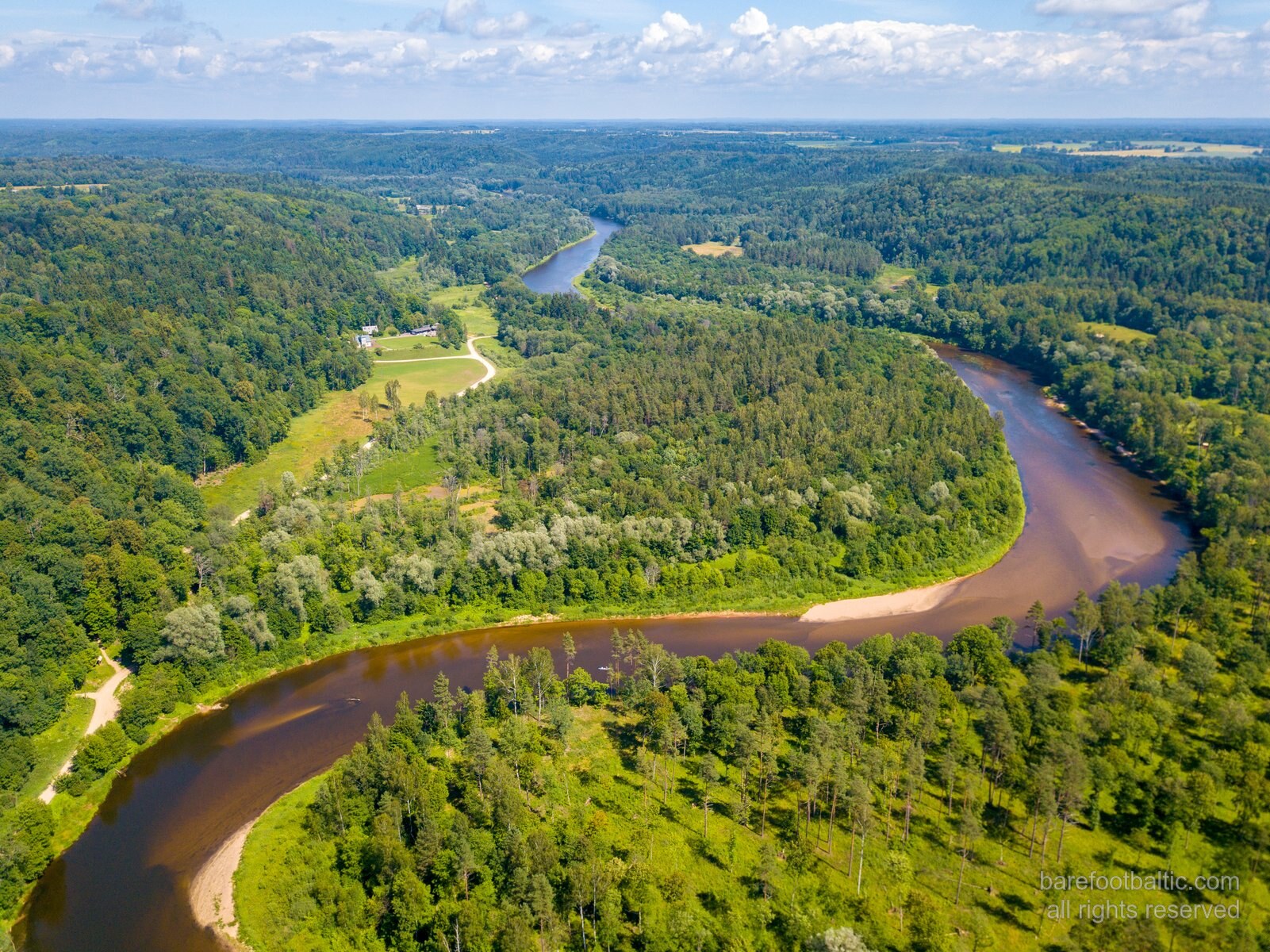
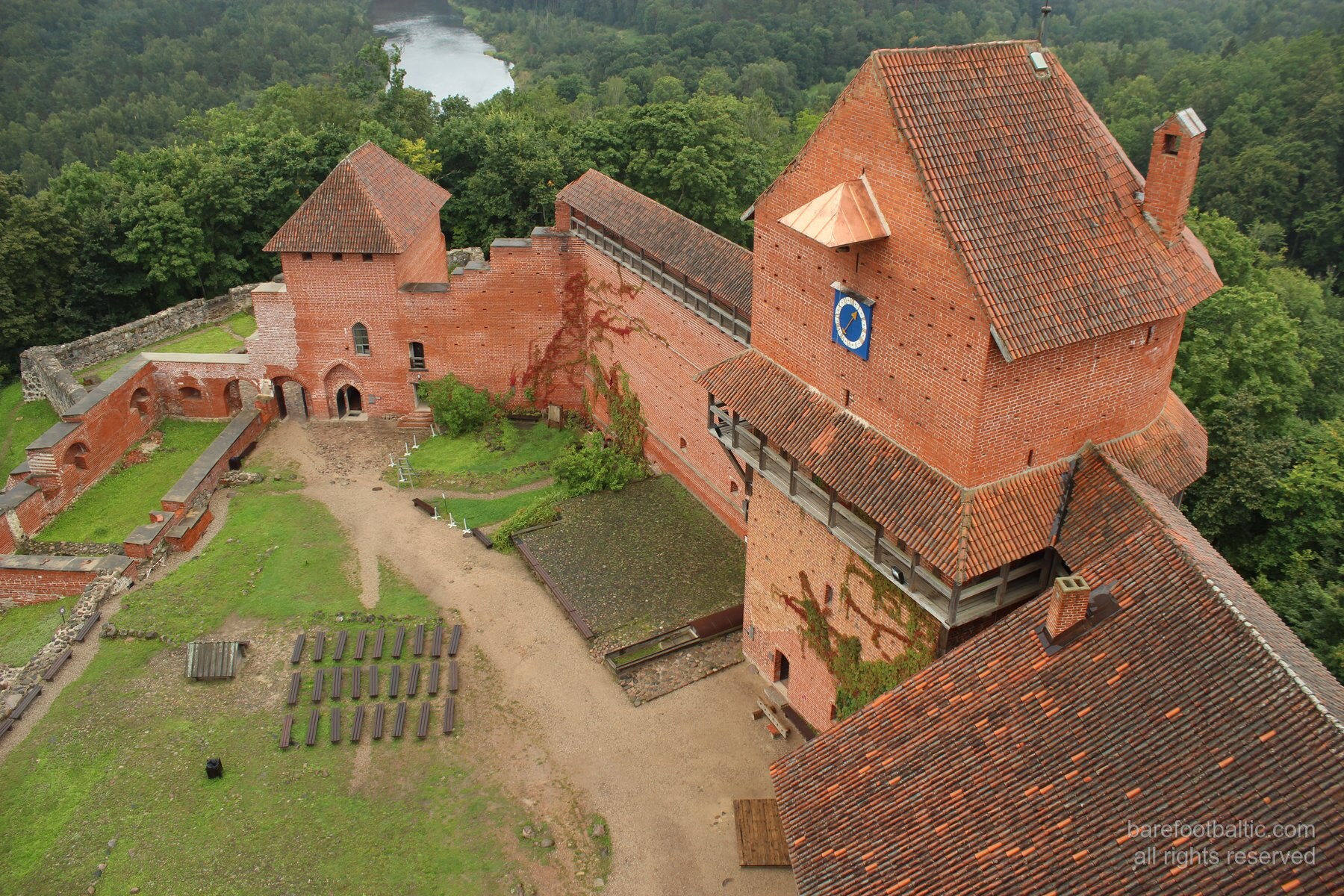
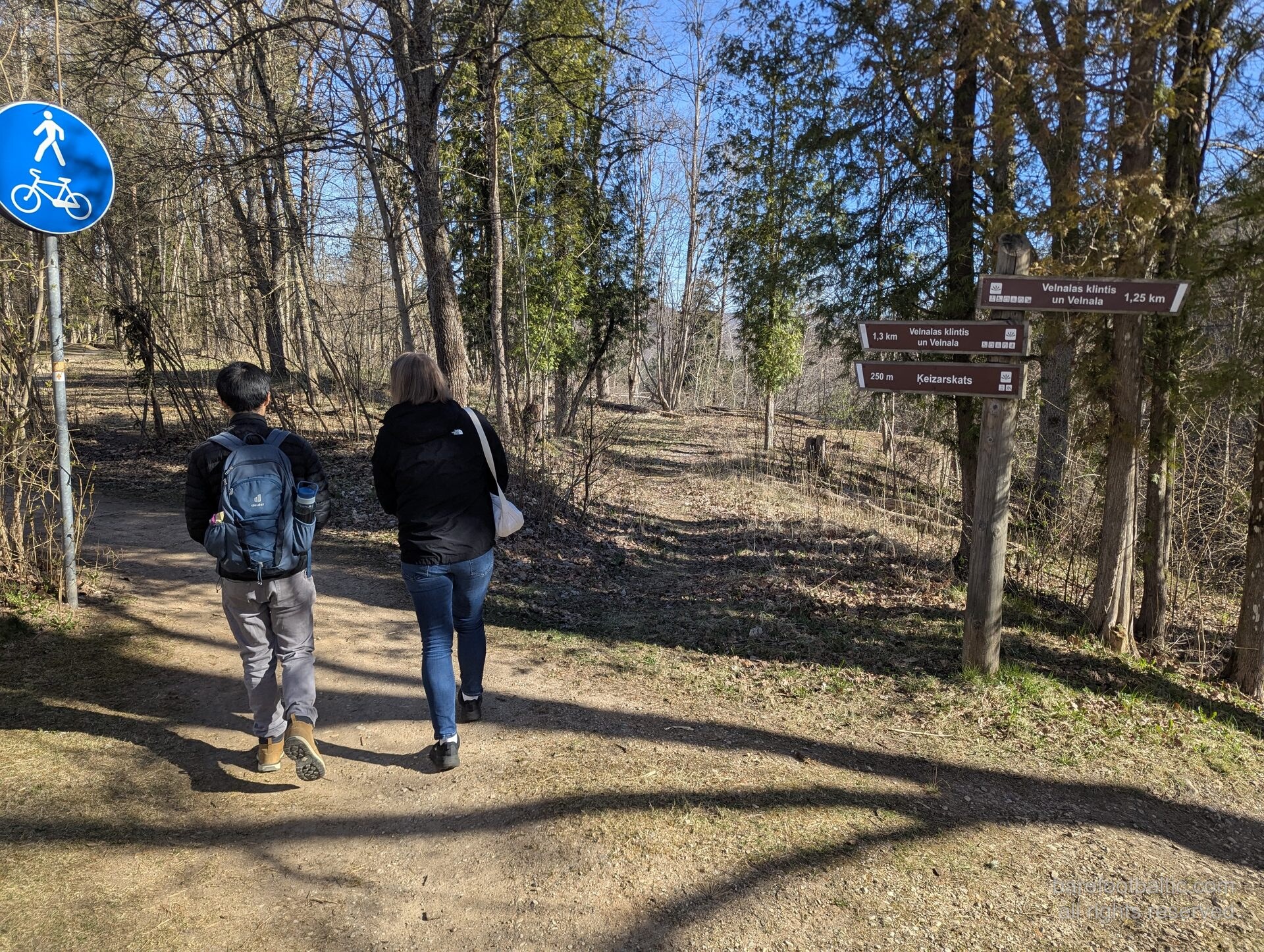
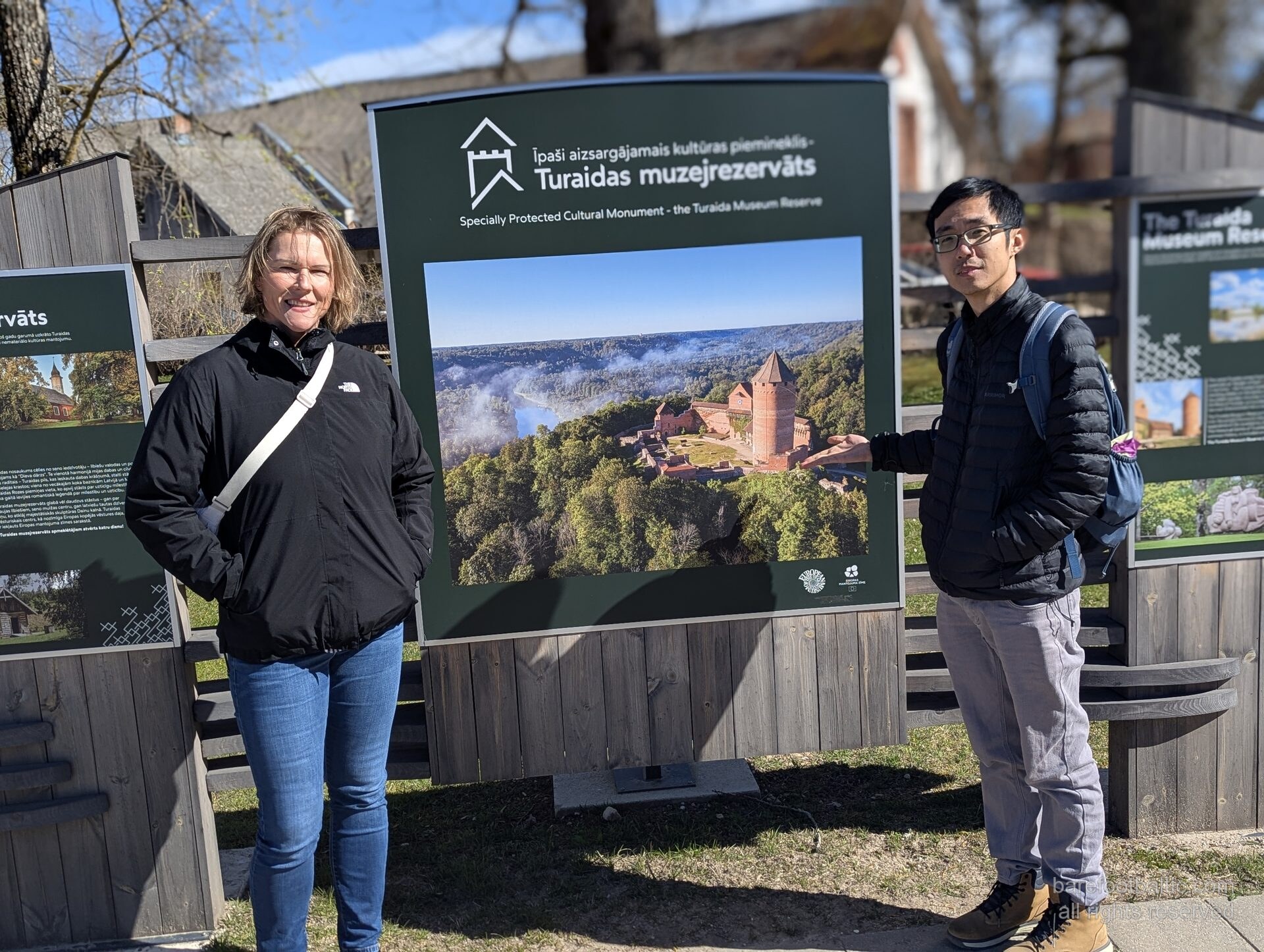
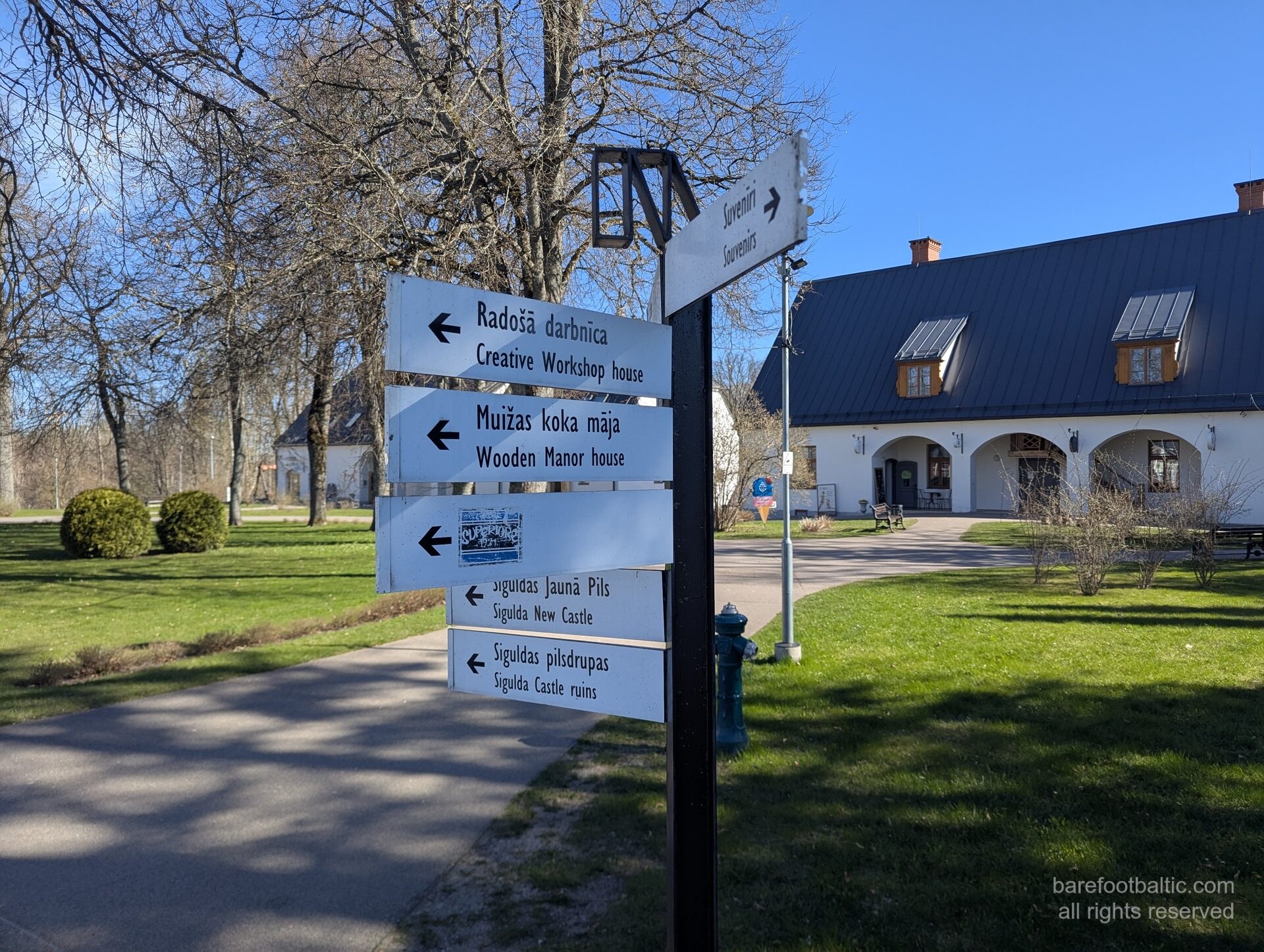
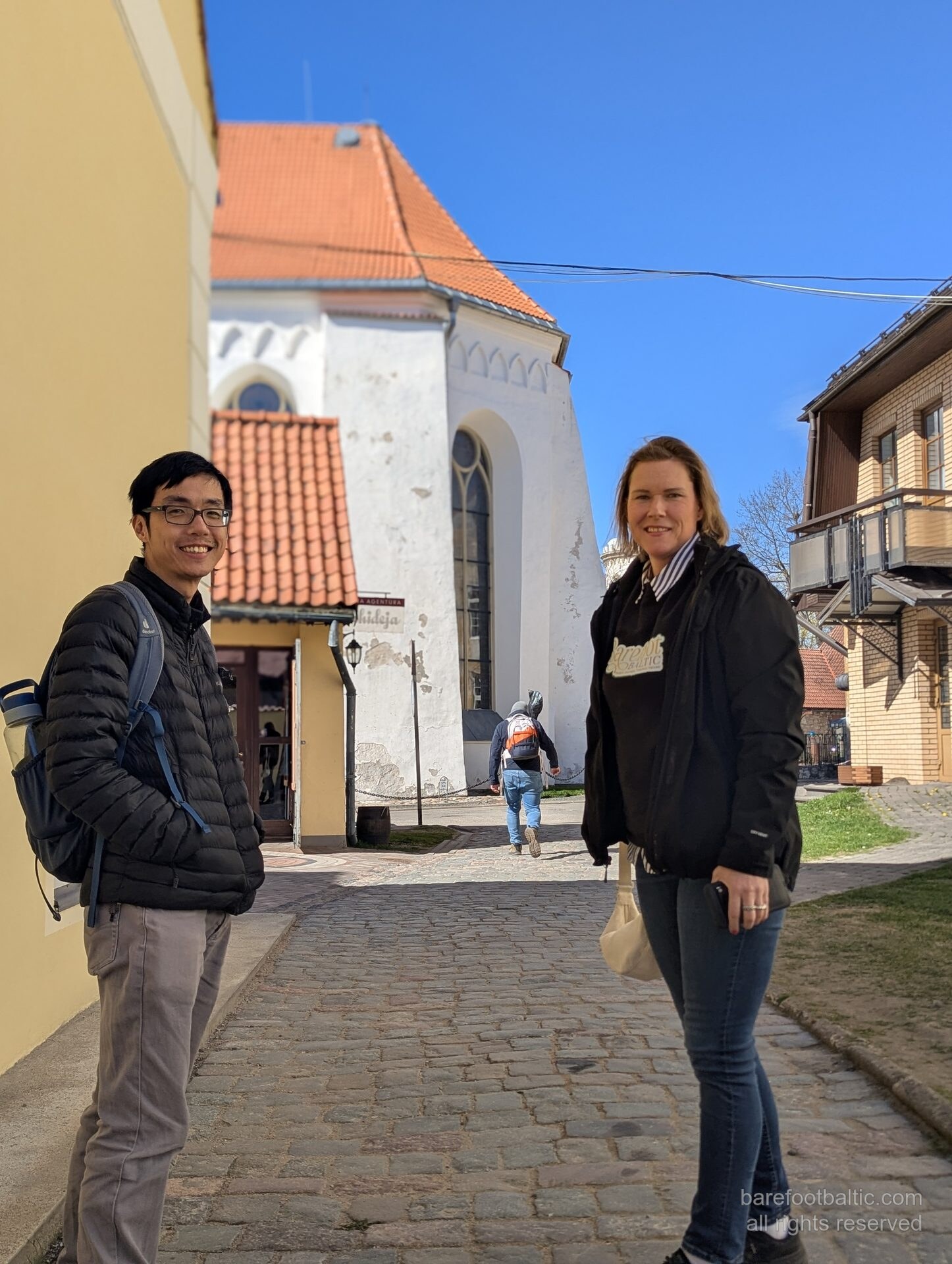
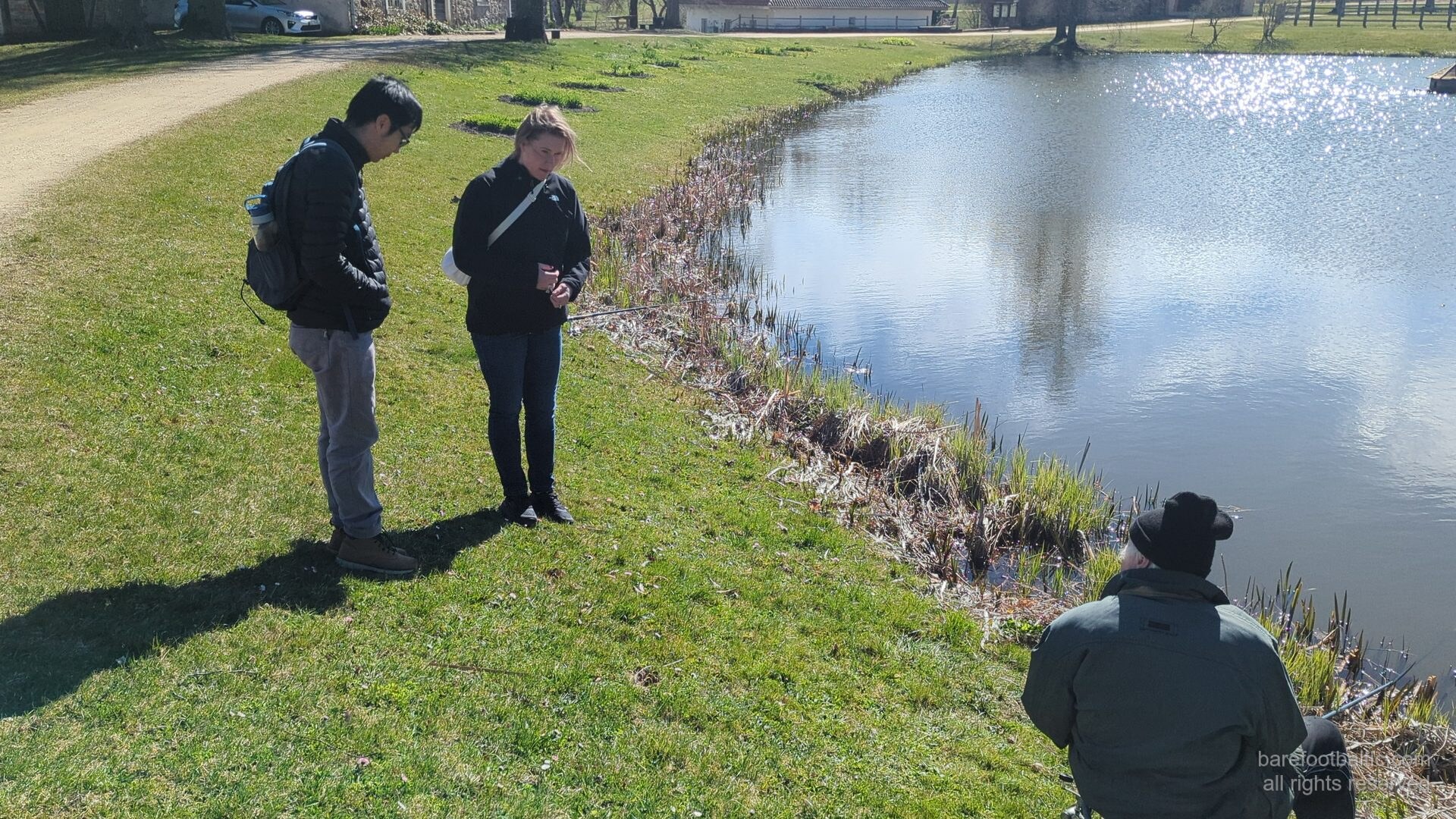
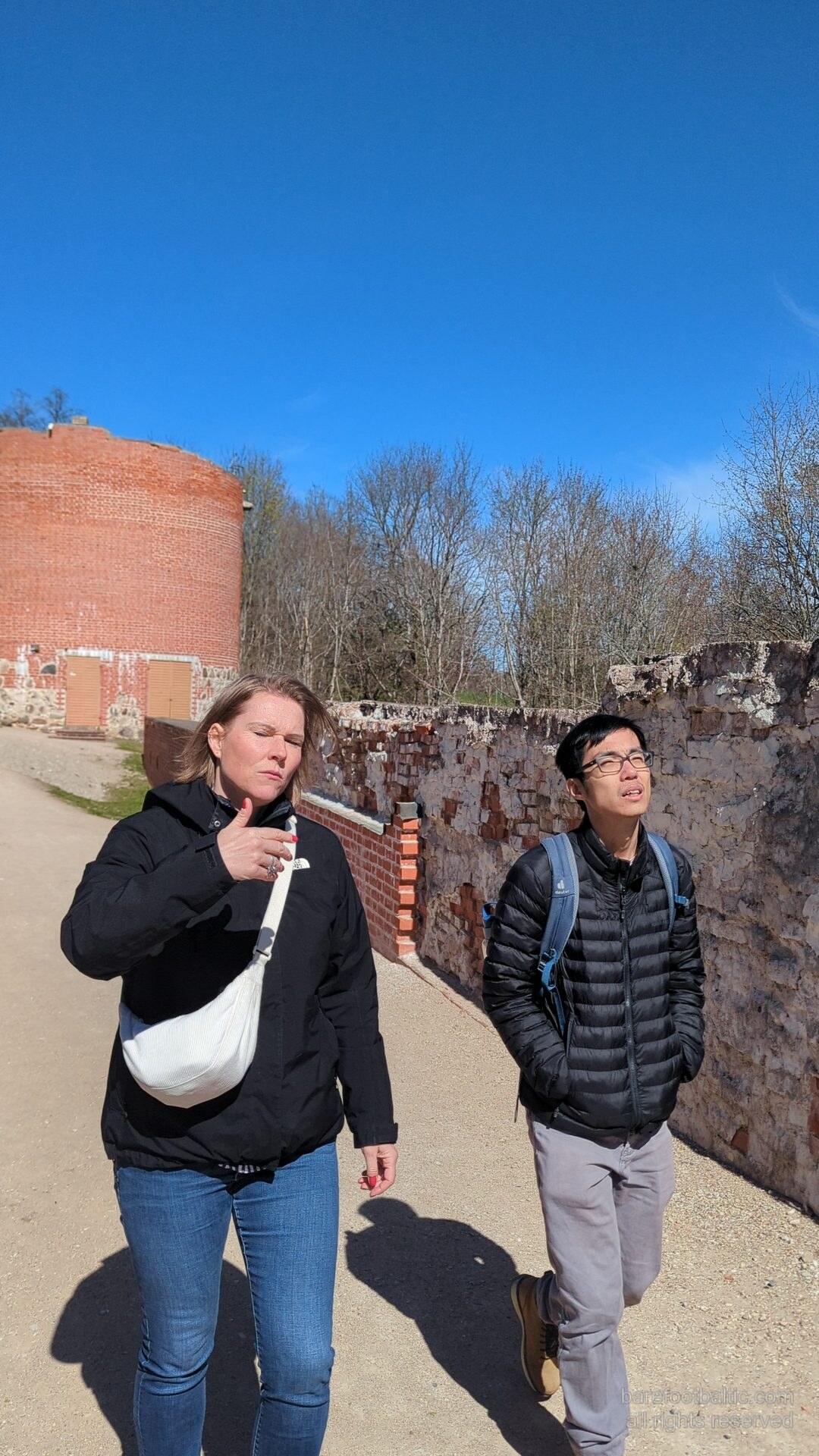
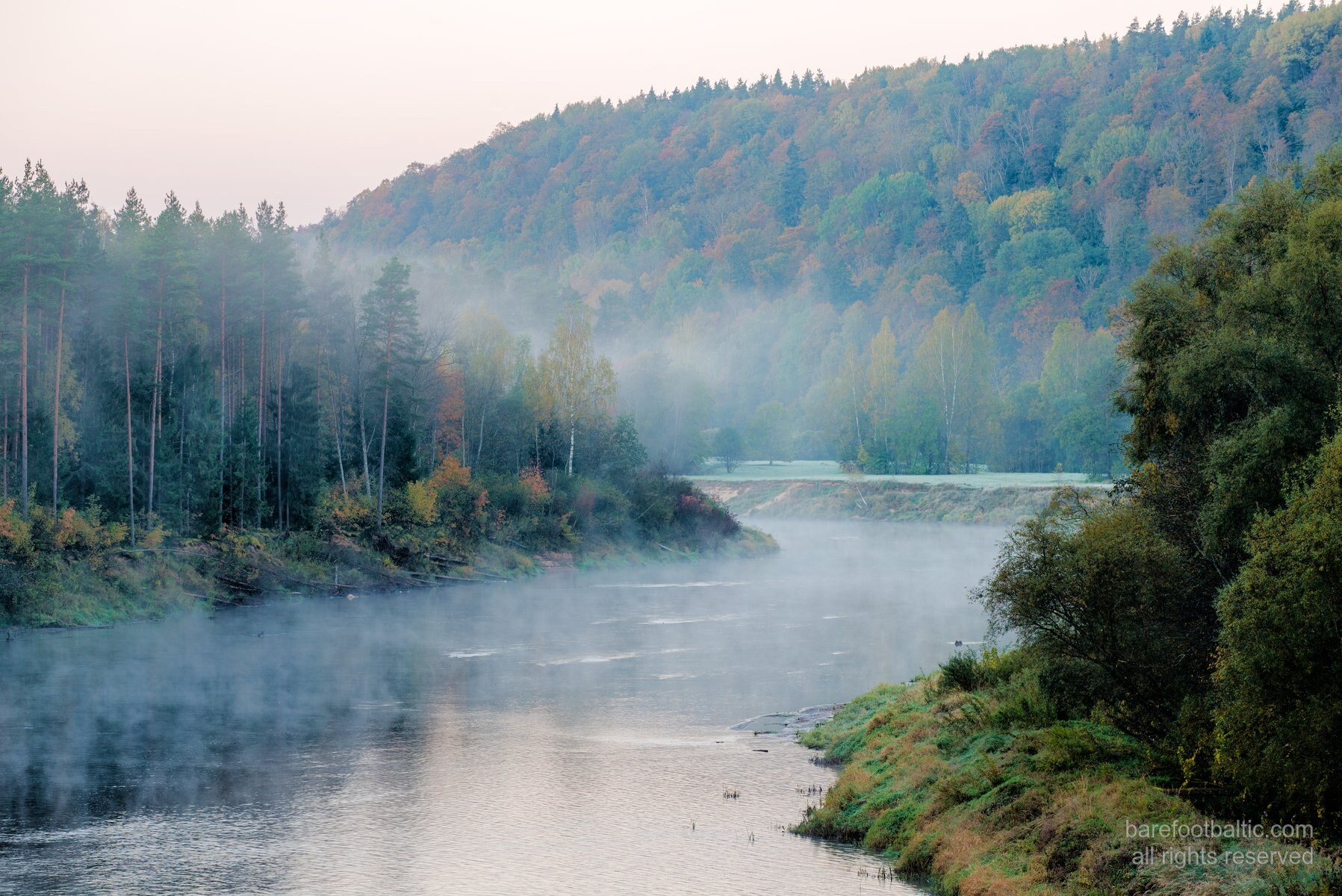
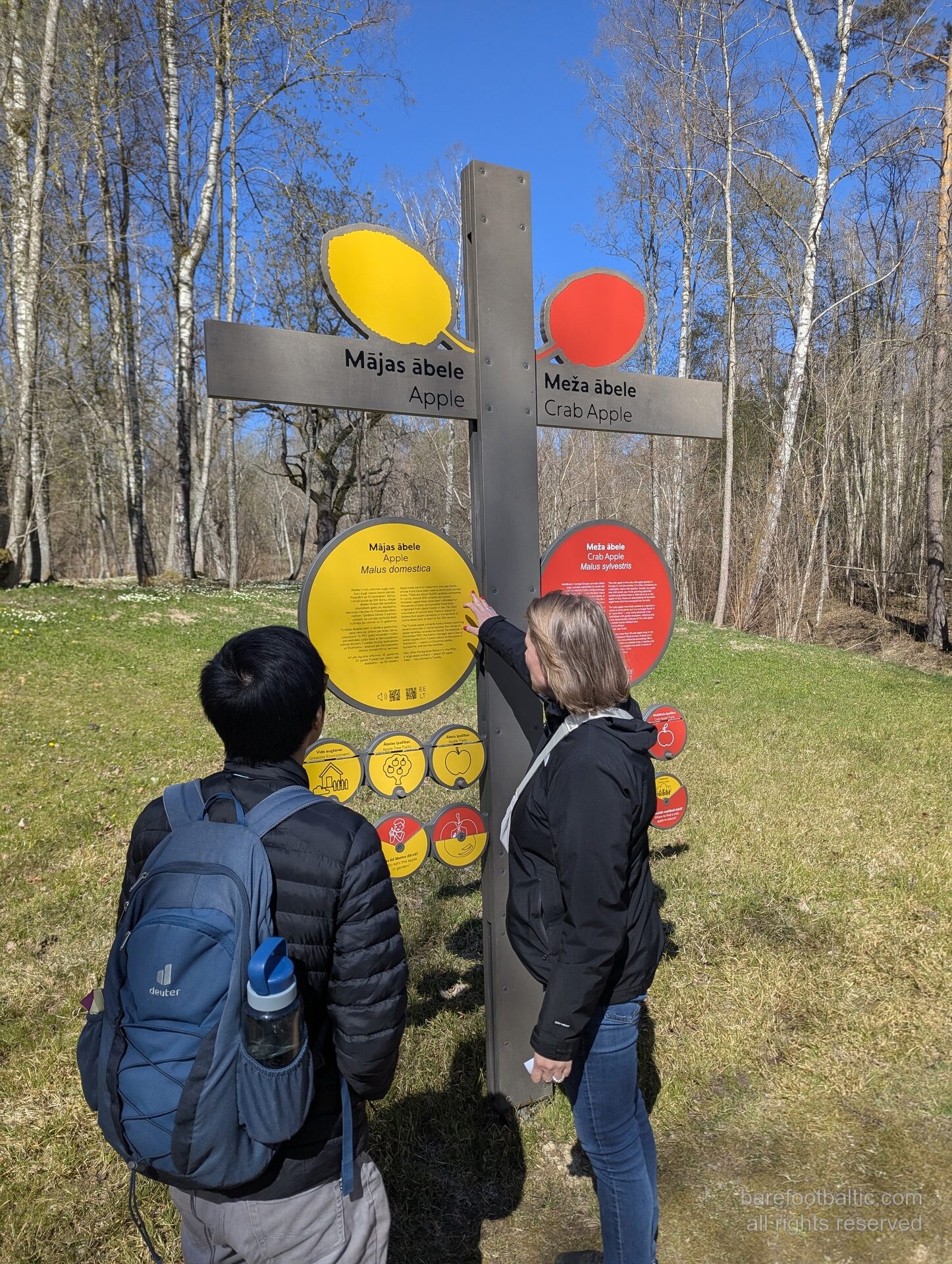
13 photographs from across the Sigulda day, covering Gauja Valley walking trails, Turaida Castle, Sigulda New Castle, Folk Songs Hill, Krimulda forest paths, and the Cēsis option.
Short answer, read this first
- Yes, Sigulda and the Gauja Valley are worth visiting for almost anyone spending more than two days in Latvia. It's the best all-round day out of Riga. History, forest, a river valley, and two serious medieval castles, all in an area you can cover in half a day.
- It's 50 km northeast of Riga, about 50 minutes by car or just over an hour by direct train from Riga Central Station. The easiest day trip in Latvia by public transport, by a long way.
- The two main castles are Sigulda Medieval Castle and Turaida Castle. Both 13th-century originals, both worth the time. Turaida is the red-brick one on the hillside and it's the highlight of the day for most visitors.
- Add Cēsis if you have a full day. Cēsis is 40 minutes further on, has another 13th-century Livonian Order castle (explored by candlelight with a lantern), and is one of Latvia's oldest towns. Three castles in one day is achievable.
- Ignore "Switzerland of Latvia." The nickname sets wrong expectations. It's a gentle river valley with forested slopes, not an alpine landscape. There's a whole section on this below.
- Late September to mid-October is the secret season. Autumn colour in the Gauja Valley is the reason the nickname exists at all, and summer crowds tend to miss it.
- You should skip it if you only have 48 hours in Riga and you're set on seeing Old Town, if you came for city-break food and nightlife, or if "gentle river valley and medieval castles" does not sound like your kind of day.
What Sigulda and the Gauja Valley actually are
Sigulda is a small town on the western edge of Gauja National Park, which is Latvia's largest and oldest protected area. The park follows the Gauja river for about 100 kilometres as it cuts through a broad, shallow valley of Devonian sandstone and mixed forest. That valley is the thing you're really coming to see. The town of Sigulda is the entry point.
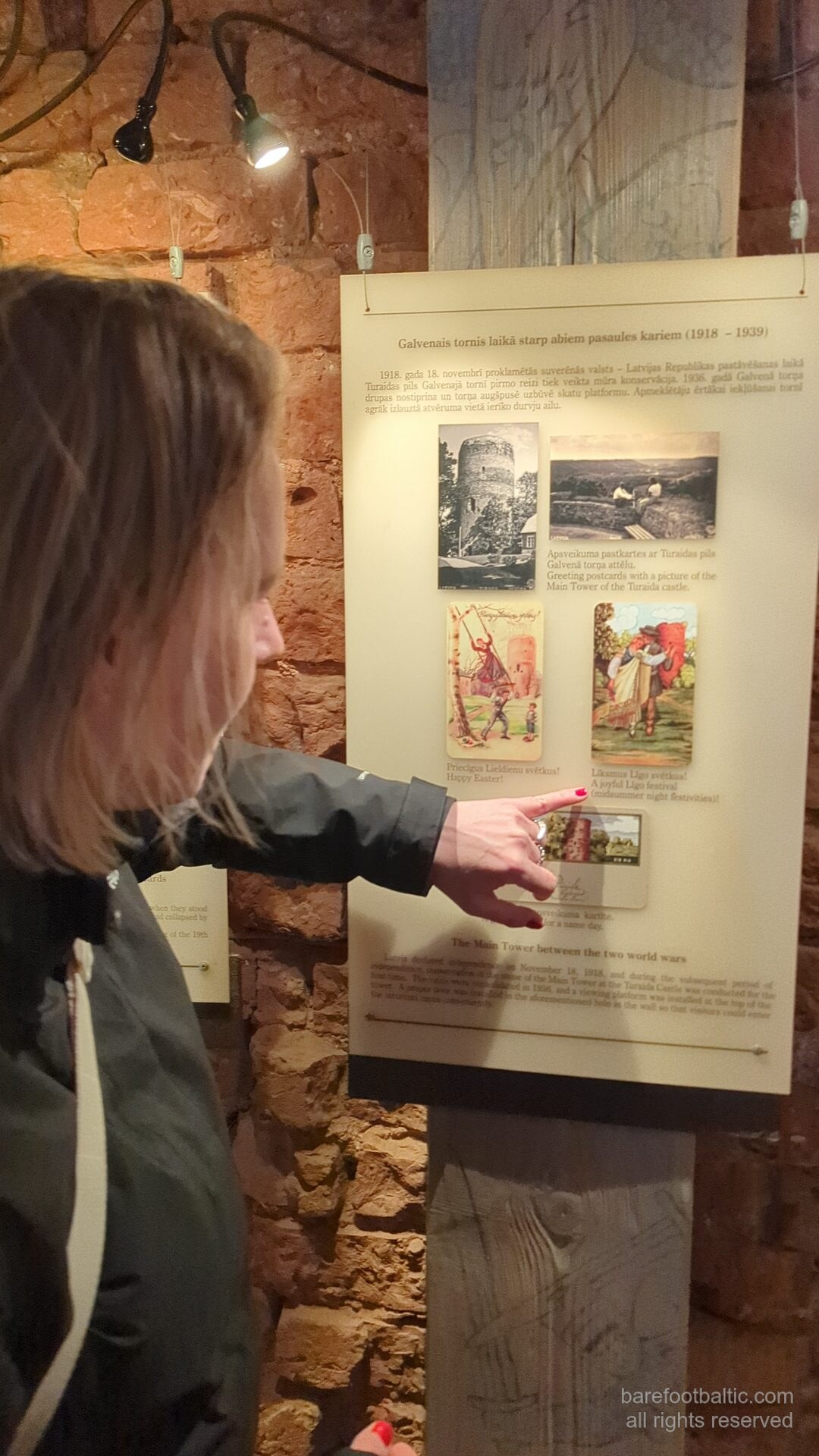
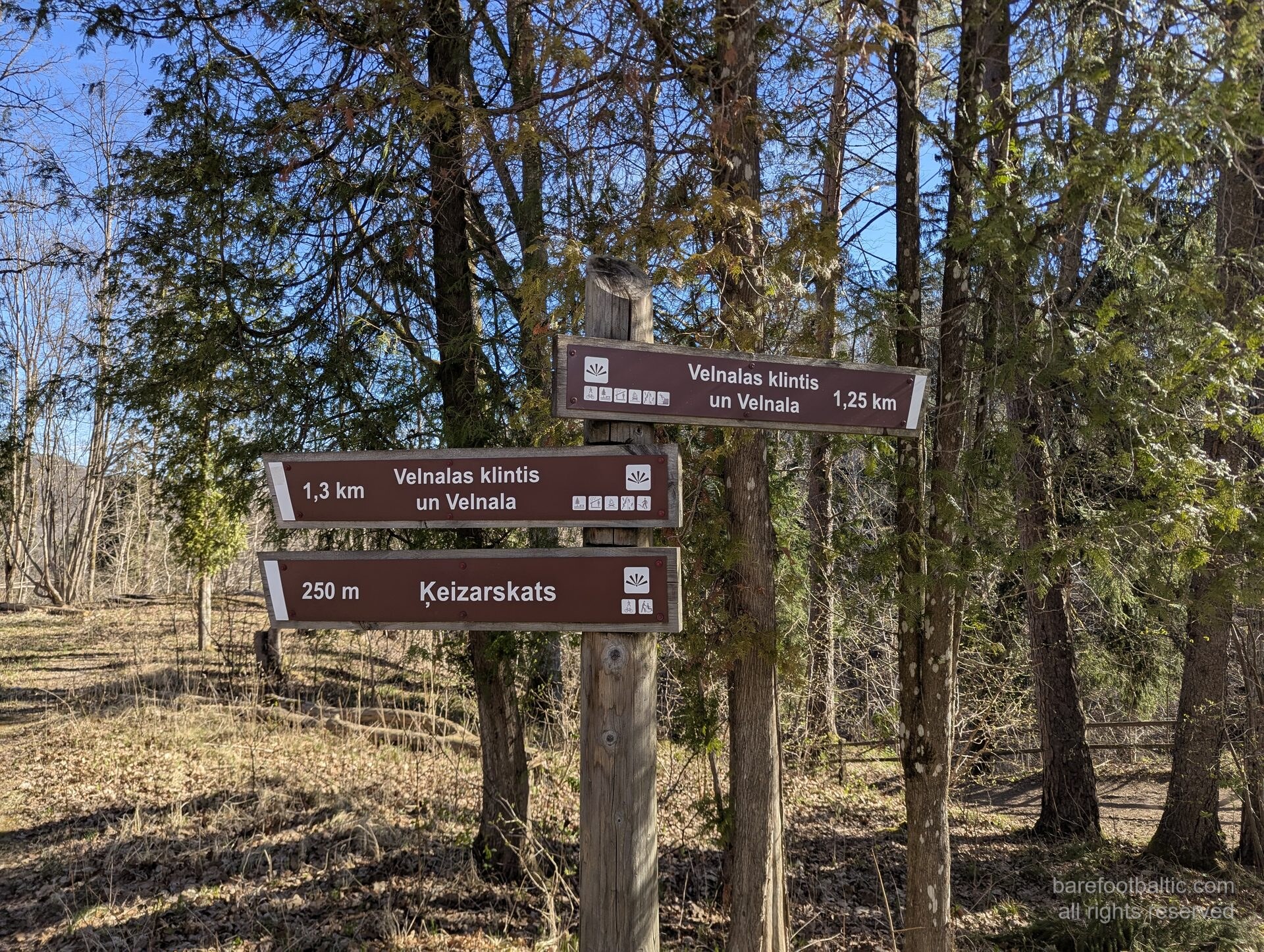
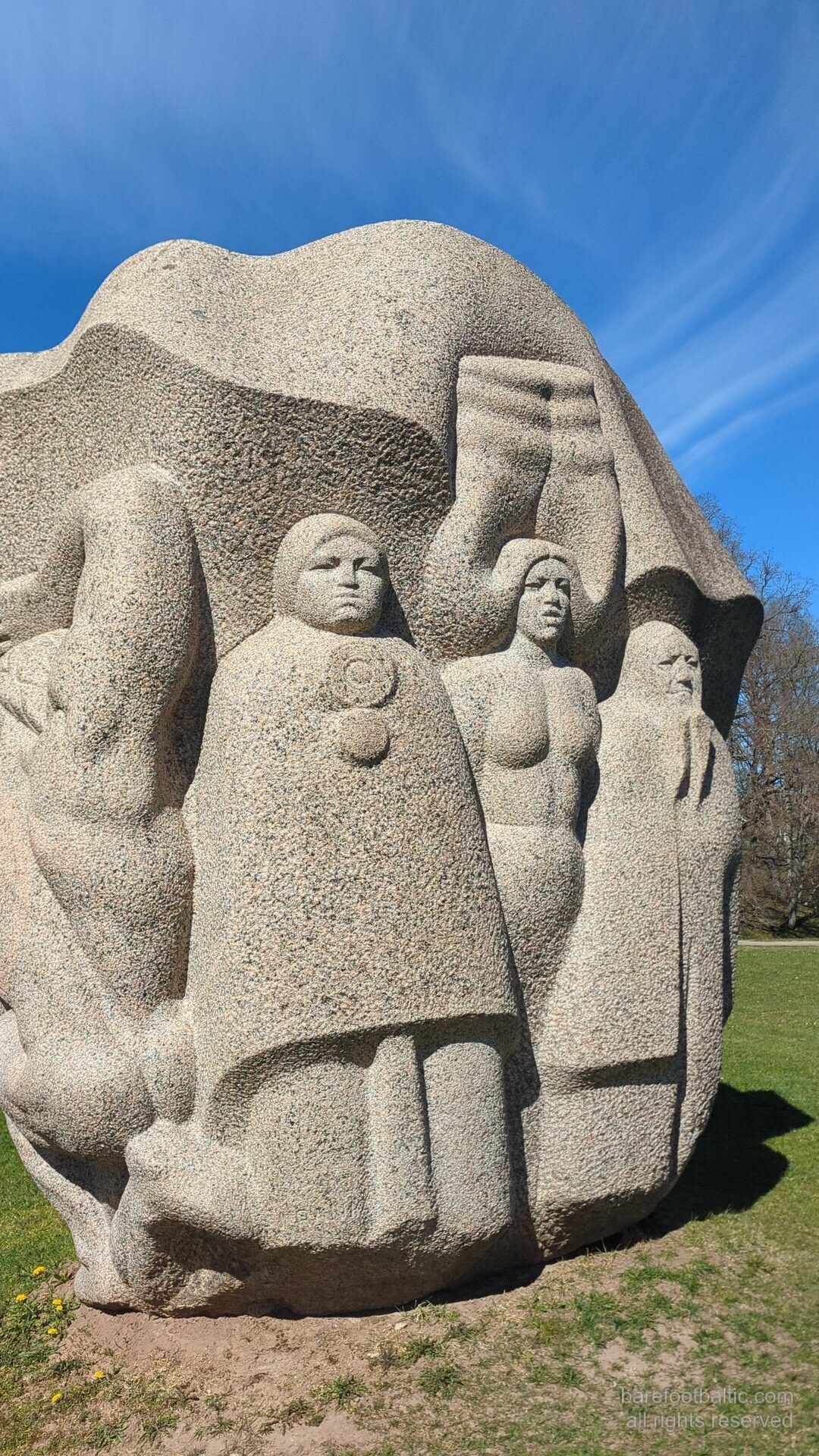
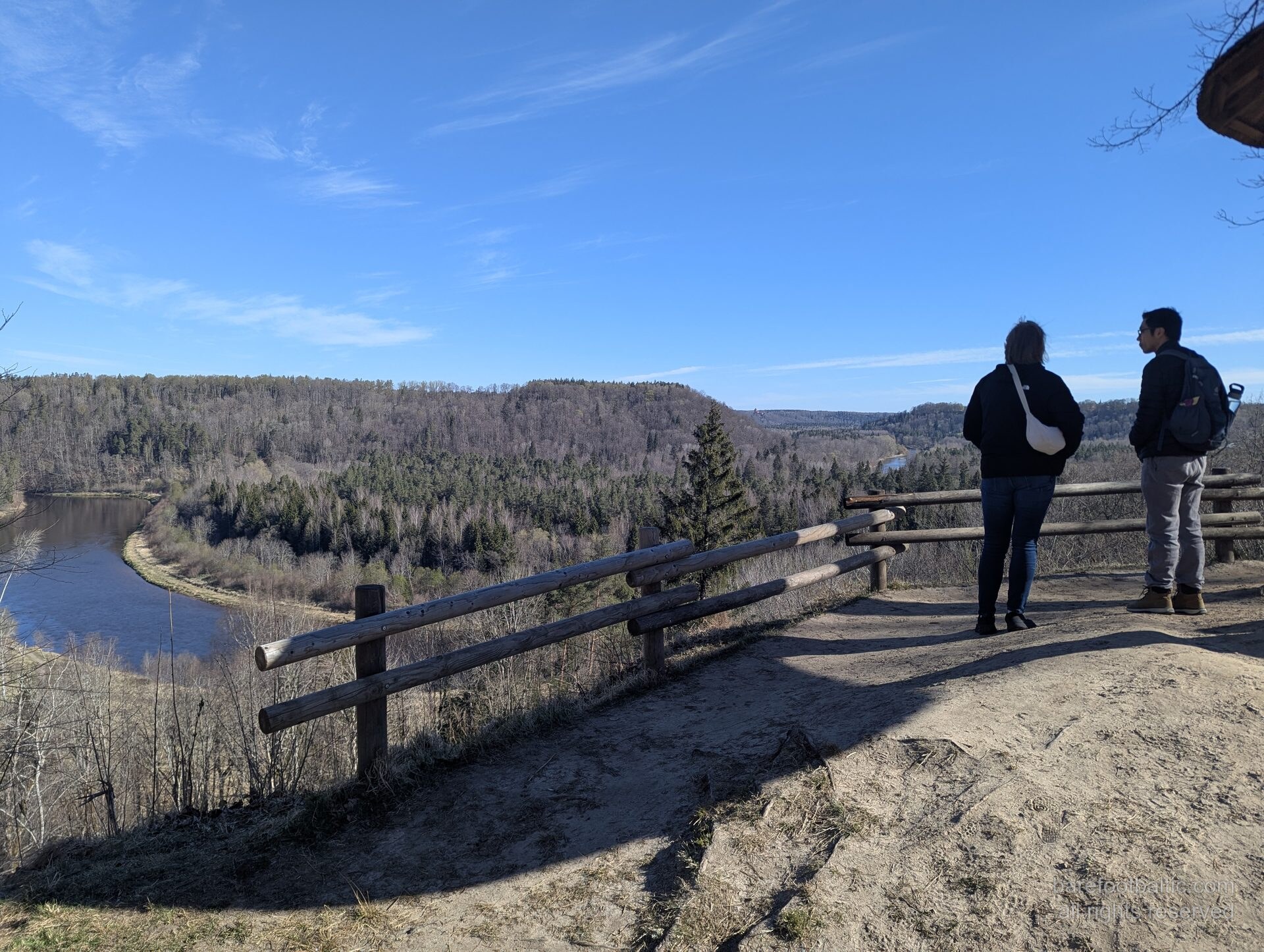
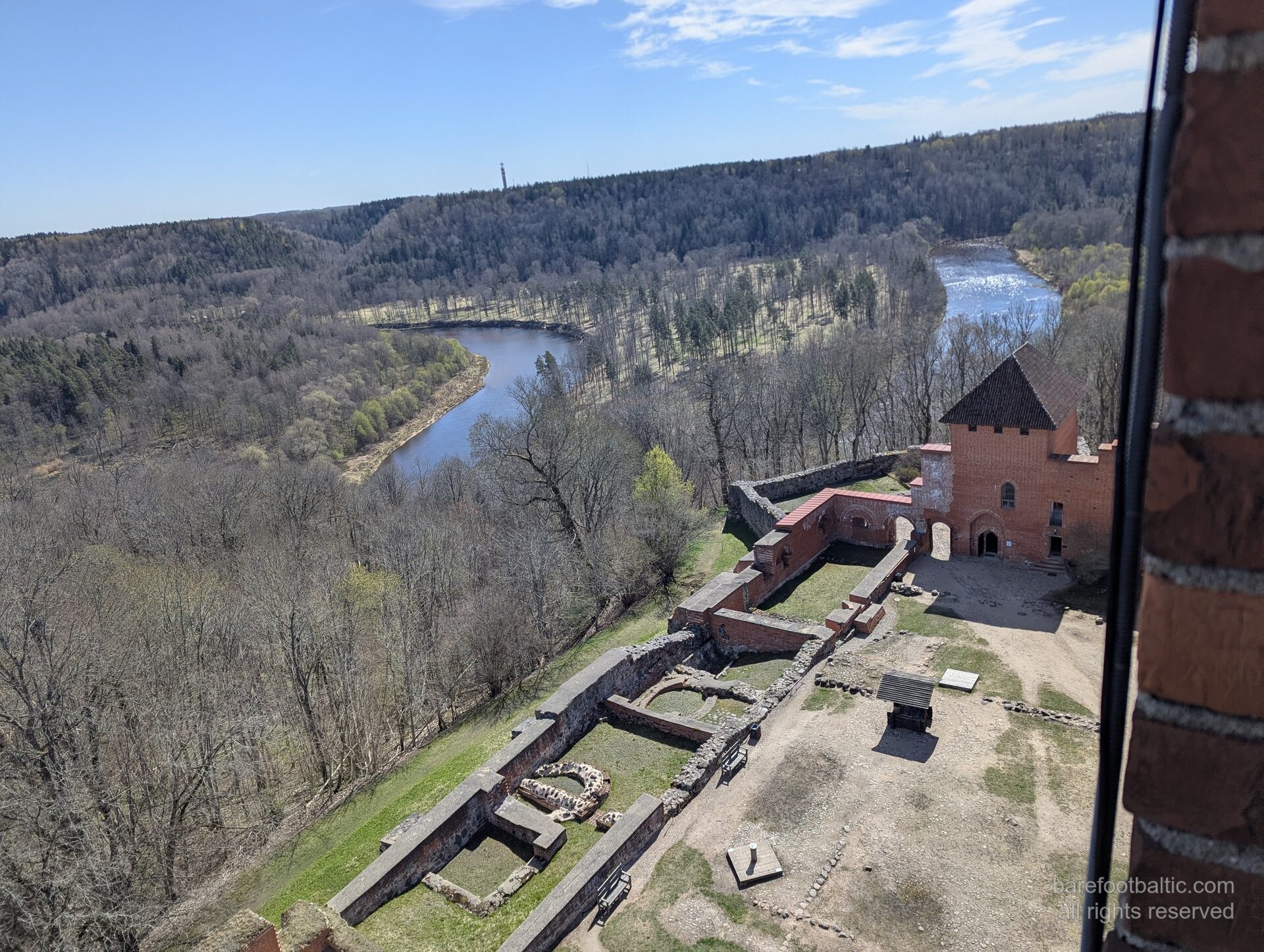
Five photographs that answer 'what would I actually be looking at?'
The geology is part of the story. The Gauja has been eroding its valley for about ten thousand years, since the last glaciers retreated, and the exposed red-brown sandstone cliffs are up to ninety metres high in places. In Latvian terms, where the highest hill in the country is 311 metres, that's dramatic. The cliffs, the river bends, the forested slopes, the cave systems hollowed out by centuries of water, and the red-brick castles standing on top of the sandstone outcrops are all one geological story playing out over thousands of years.
The human history is equally layered. The Gauja Valley was the frontier of Latvia's medieval history. The Livonian Order, a German crusading military order that eventually ran most of modern Latvia and Estonia for 300 years, built castles at Sigulda, Turaida, and Cēsis in the 13th century specifically to control this valley. Sigulda and Turaida sit on opposite sides of the river, and they were held by different factions in the medieval power struggle. The local folk legend about the Rose of Turaida (a young woman who died in the forest between the two castles, depending on who you ask either a tragic victim of a 17th-century Polish-Swedish war or a romantic legend invented in the 19th century) is built on the geography of the valley itself.
The main sights, roughly in the order you'd see them on a normal visit.
- Sigulda Castle ruins. The remains of the 13th-century Livonian Order castle. Partially restored, with walkable walls and towers.
- Sigulda New Castle. The 19th-century estate built right next to the medieval ruins. Now a small but good museum about the region's history, covering everything from the Livonian Order to the Soviet period.
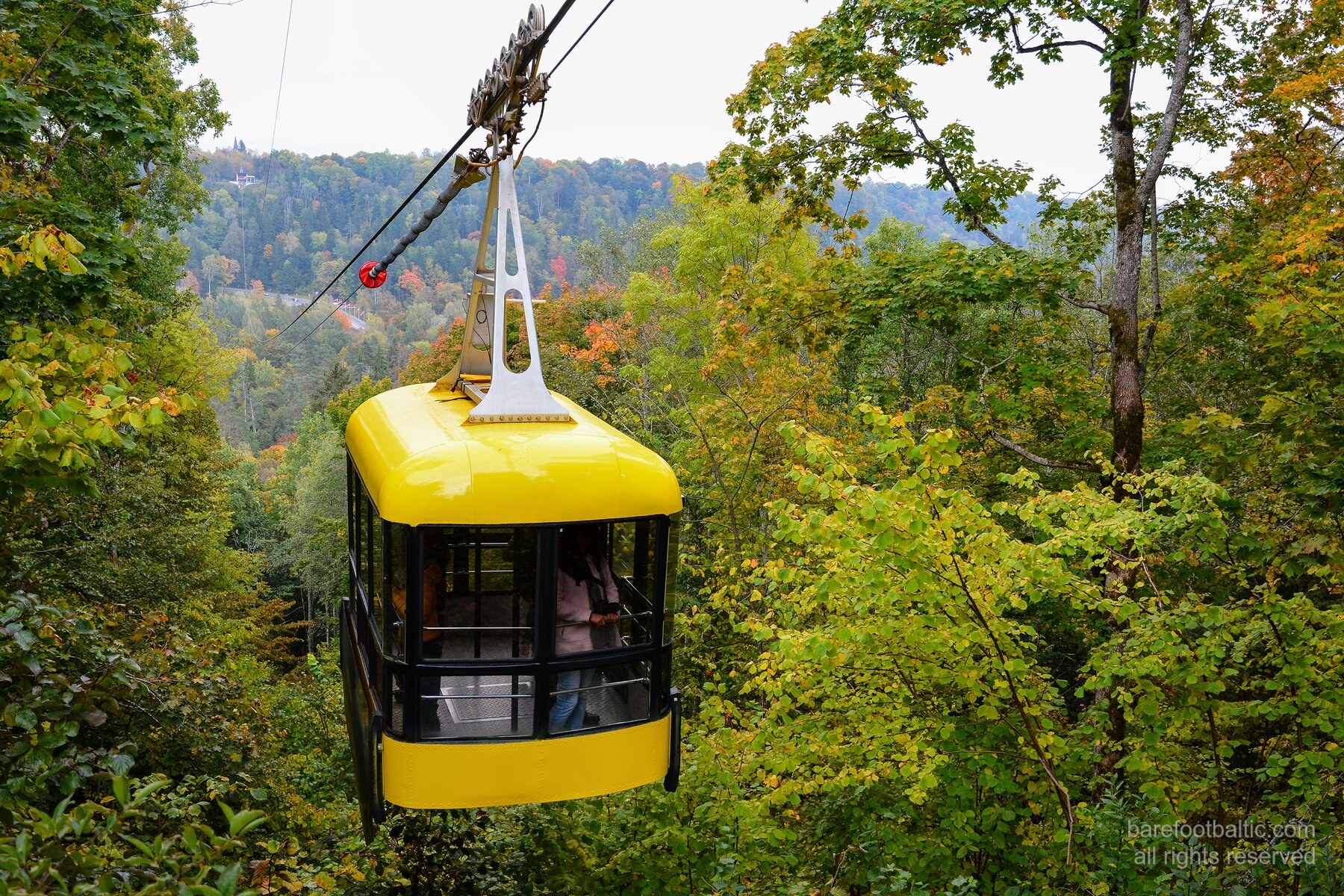
- The cable car across the Gauja Valley. A yellow 1960s cabin that runs from the Sigulda side to the Krimulda side, giving you a twenty-minute ride. The valley views are the single best reason to take a cable car in the Baltics.
- Turaida Castle and Reserve. The red-brick medieval castle on the Turaida side of the valley. You climb the tower for one of the best views in Latvia. The site also includes a sculpture garden, an old wooden church, a reconstructed Liv farmstead, and the Rose of Turaida's grave.
- The Olympic bobsleigh track. Still used for serious competition. In summer you can take rides in a wheeled bob. In winter the real thing runs.
- The forest hiking. Dozens of marked trails running through the valley, from short walks suitable for families to multi-day routes with overnight huts.
If you only have half a day in the area, here's the combination that gives you the most. Sigulda Castle ruins for 30 minutes, Turaida for 90 minutes including the tower climb, and a valley viewpoint for 15. Everything else is optional and depends on what kind of traveller you are.
Is it actually worth your day? My answer
If you have two or more days in Latvia, yes. Sigulda is the one day trip I'd pick first. Easy to reach. The most varied of any. It works for almost any traveller. It's also the day trip that best showcases what Latvia actually looks like outside Riga. Forest, river, medieval castles, small towns, quiet trails. Old Town Riga alone is one important thing seen well. Sigulda gives you another.
The 48-hour-in-Riga case is mixed. Unlike some other day trips, Sigulda is close enough that you could do a half-day (four or five hours out and back by train) and still have time for Riga in the morning and evening. The half-day version covers Turaida and a quick Sigulda Castle stop, and skips Cēsis. That's a legitimate option for a 48-hour visitor who wants one taste of the countryside.
If you're a nature or forest person, yes. Gauja National Park is the best hiking destination in Latvia and among the better ones in the Baltic states. A full day with a picnic, two trails, and a castle visit is one of the best outdoor days you can have this close to a European capital.
Travelling with children? Yes. The castle towers, the cable car, the forest walks, and the bobsleigh track all work for kids in different ways. Turaida in particular is a hit with most children I've taken there.
For a history-and-interiors traveller who wants baroque palaces and aristocratic drama, the answer is no. Go to Rundāle instead. Sigulda's castles are medieval ruins and a 19th-century museum, which is a different kind of history experience. Both days are good. They serve different interests.
The "Switzerland of Latvia" thing, and what the valley actually is
Here is the single thing that catches first-time visitors off-guard, and it's worth getting right before you go.
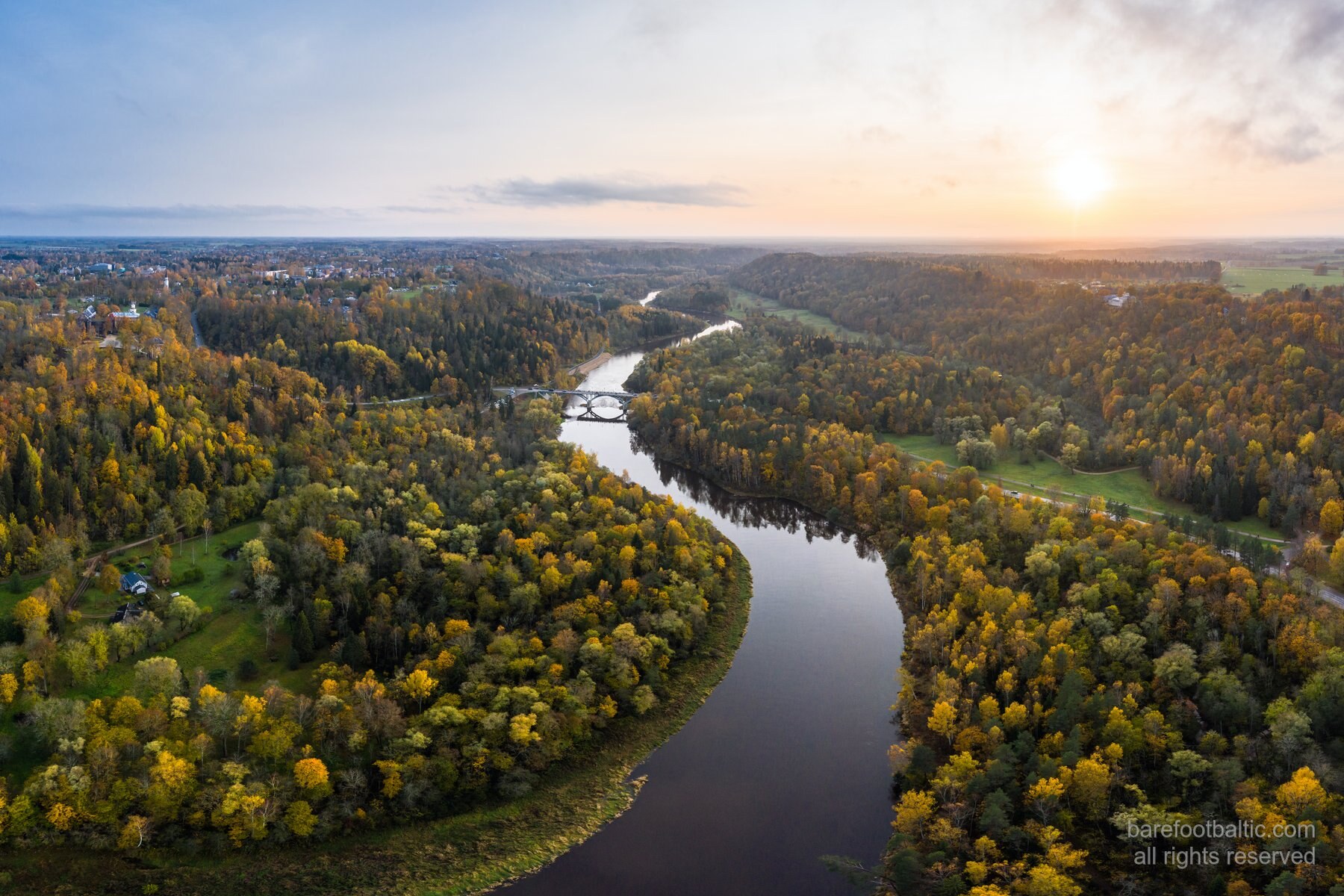
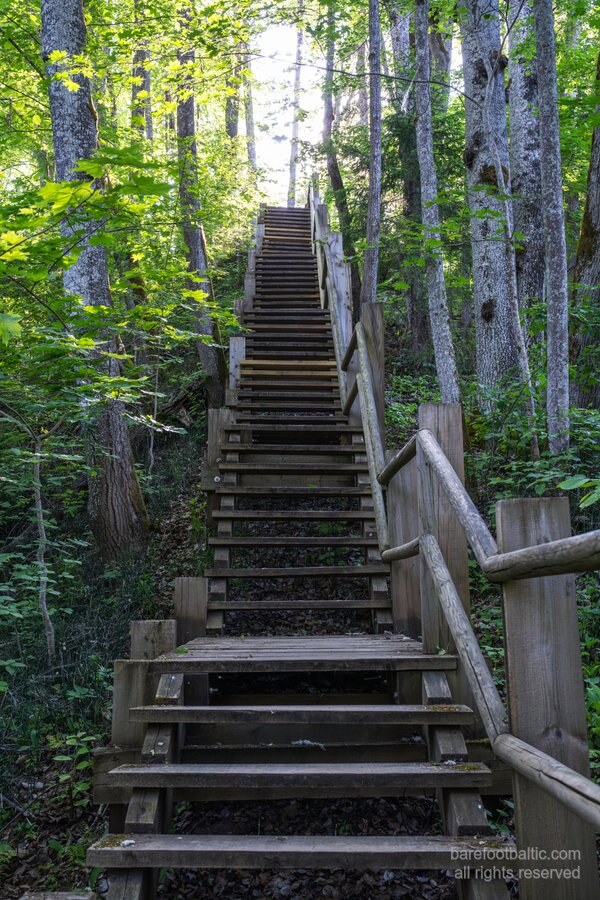
Five photographs showing the river, the cable car, and the forested valley sides.
"Switzerland of Latvia" has been the standard nickname for the Gauja Valley since the 19th century, when German-speaking Baltic aristocrats built their summer estates on the cliffs and started calling the area "Livländische Schweiz." It stuck. Every guidebook uses it. The problem is that it sets the wrong expectation. You arrive expecting alpine peaks and glacial lakes, and what you get is a broad river valley with forested slopes and eighty- to ninety-metre sandstone cliffs.
The cliffs are dramatic by Latvian standards. Eighty or ninety metres high, red-brown, and sculpted by the river into overhangs, caves, and bends. But they are not Alps. They are not even Tatra mountains. If you come to the Gauja Valley looking for Switzerland, you will leave thinking the nickname is a joke.
Here is what the valley actually is. It's a gentle, deep, forested river valley with a cluster of serious medieval castles standing on the high points. The beauty is cumulative rather than dramatic. There's no Sound of Music moment where the landscape opens up in front of you. There's an hour of walking through beech and pine forest, then a red-brick 13th-century castle tower around a corner, then a climb to the top and the Gauja winding away through a sea of forest as far as the horizon, then a walk back down through the woods with the light low and the ground soft. By the end of the day it adds up to a great deal.
Frame it as "a gentle valley with good castles and good forest" and Sigulda is one of the best day trips in the Baltics. The "Switzerland" frame just sets you up for disappointment. Come expecting the former.
One other thing worth knowing. The valley is at its best in autumn, and that is when the nickname almost makes sense. From about the third week of September through the middle of October, the mixed forest turns amber, copper, and rust, and the view from Turaida tower in late-afternoon light becomes the photograph you'll remember from your Latvia trip. Summer is green and pleasant. Autumn is the secret.
The three castles, if you're trying to choose
Seeing all three Gauja Valley castles in one day (Sigulda, Turaida, and Cēsis) is hard. Cēsis is another 40 minutes further on, which tips a comfortable half-day into a full ten-hour day. If you have to pick, here's how to think about it.
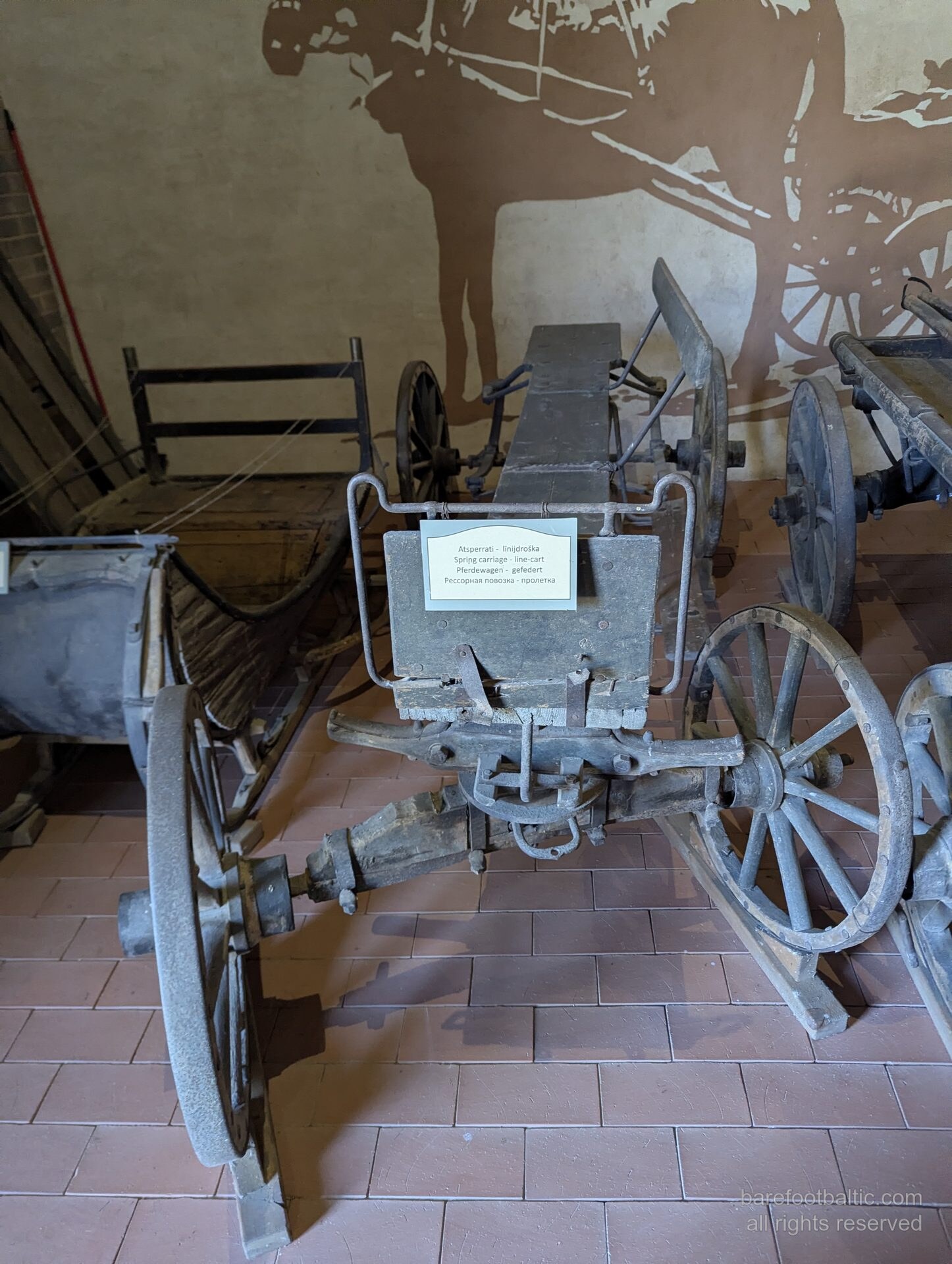
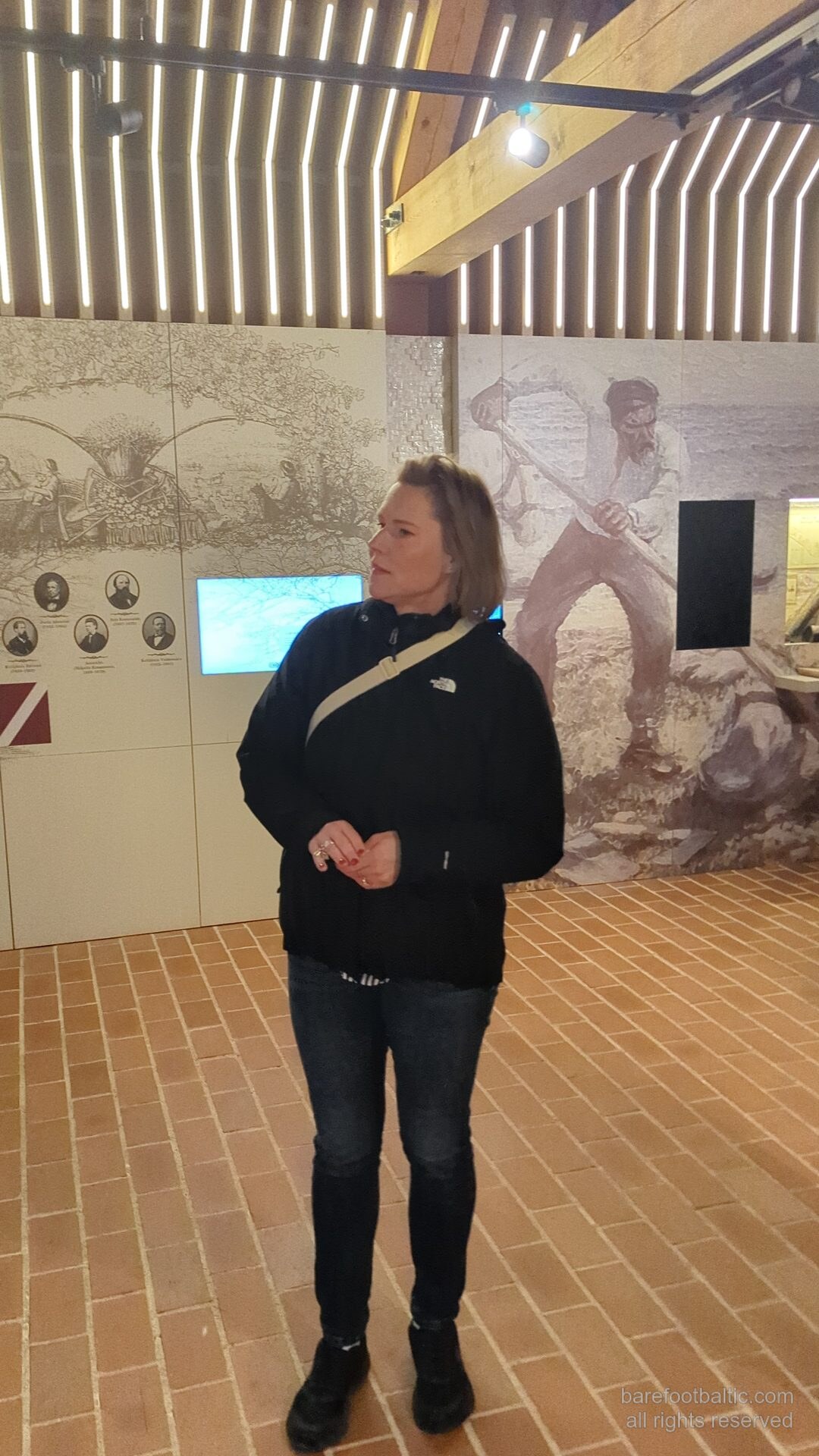
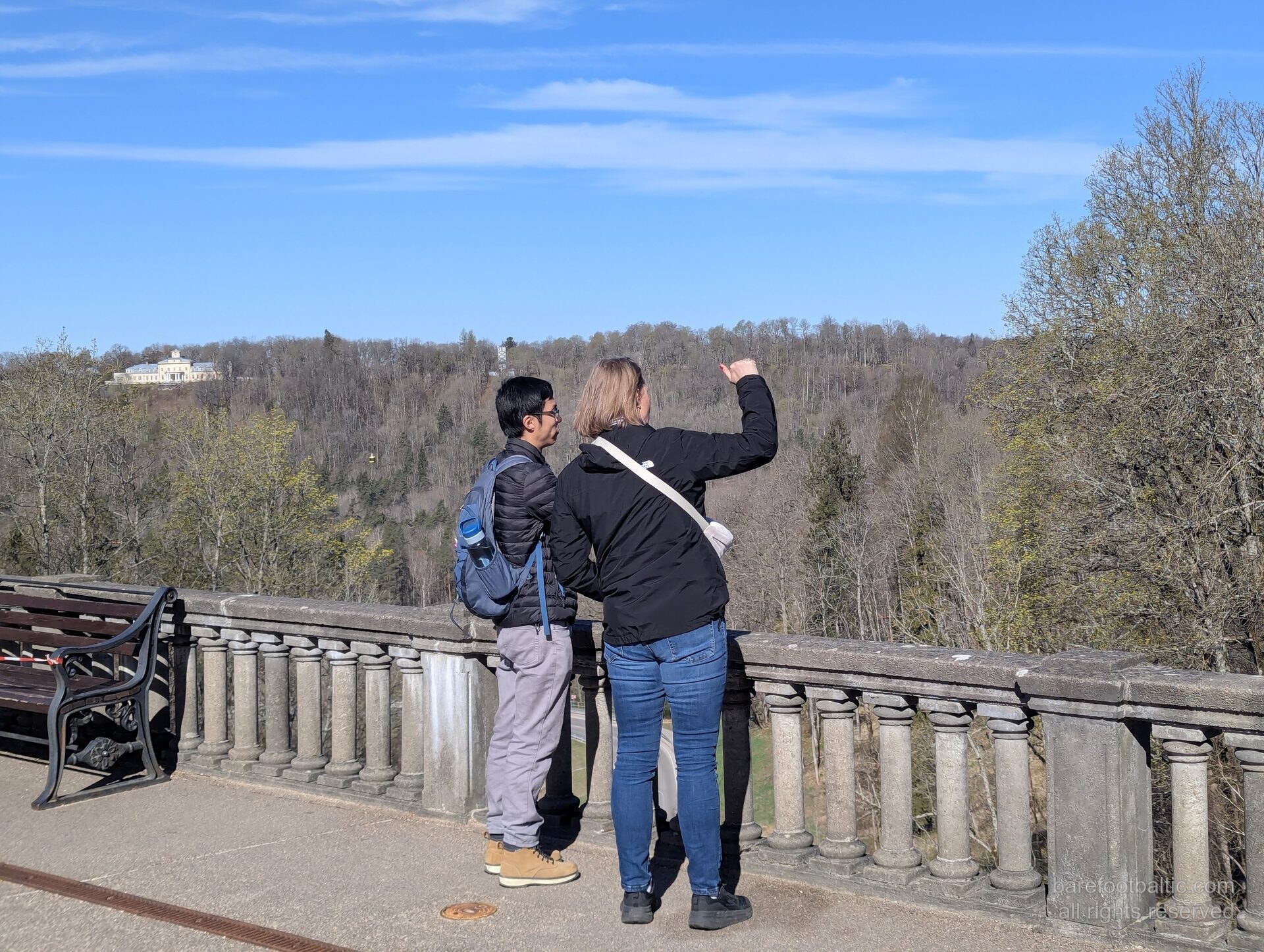
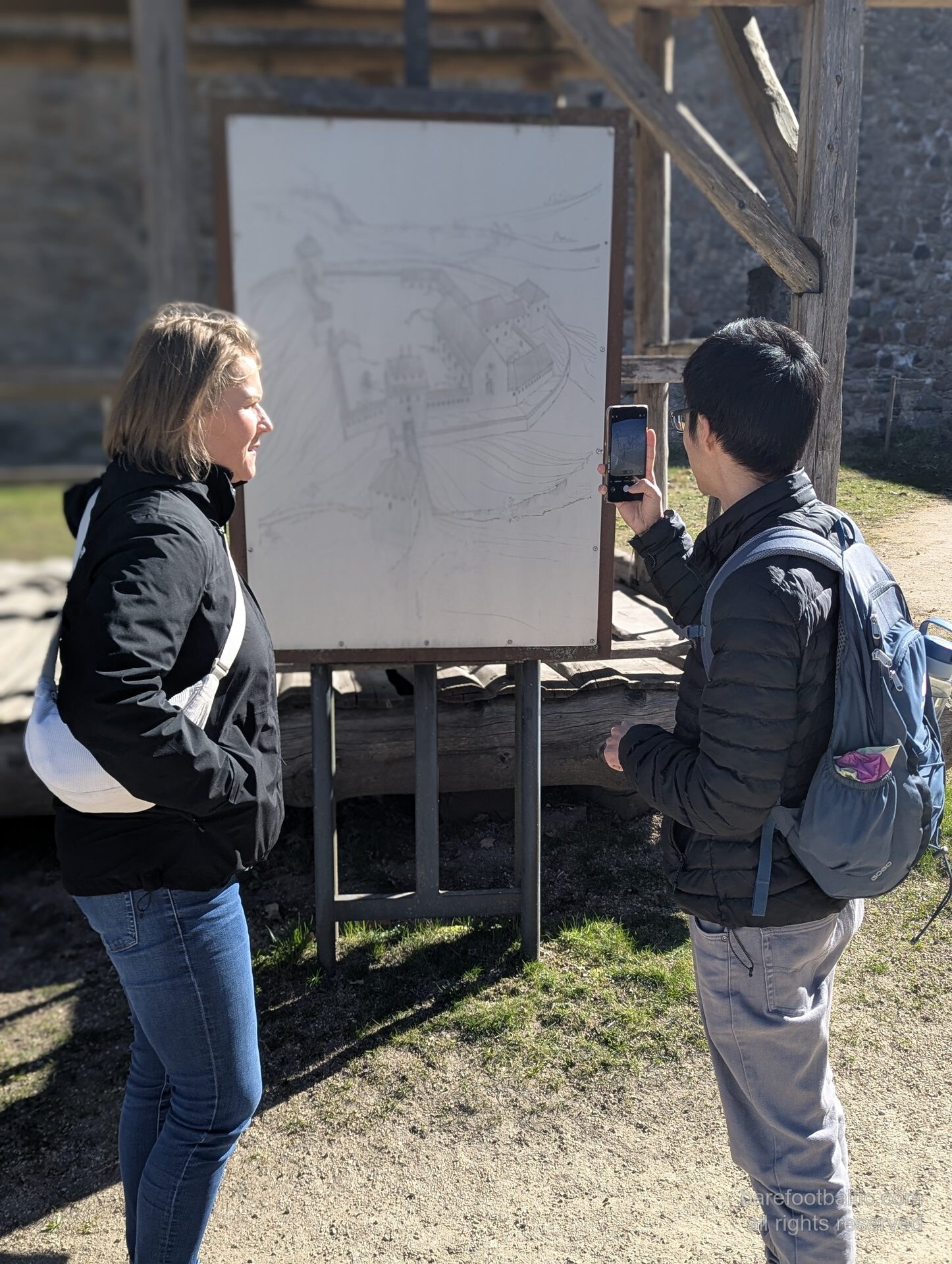
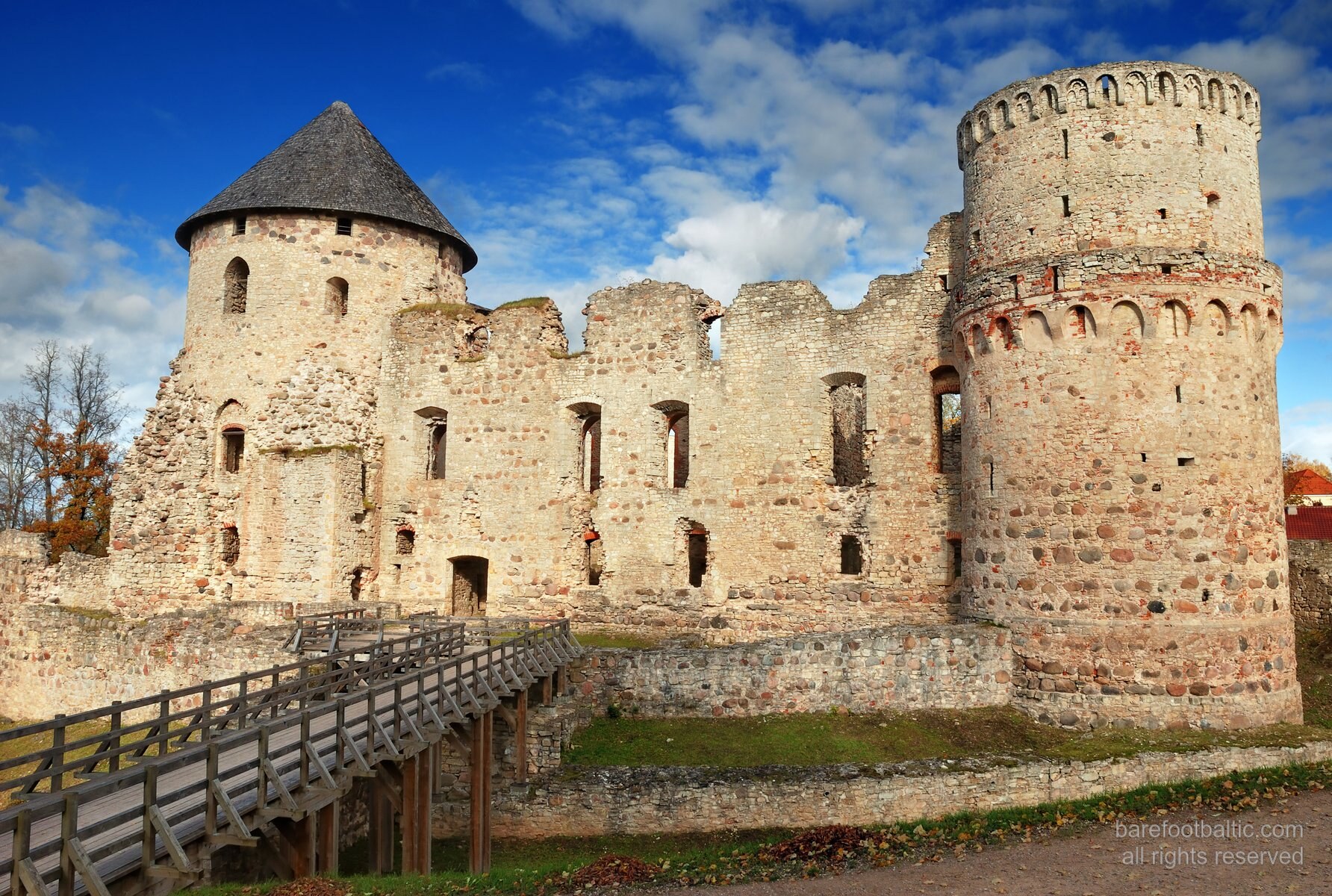
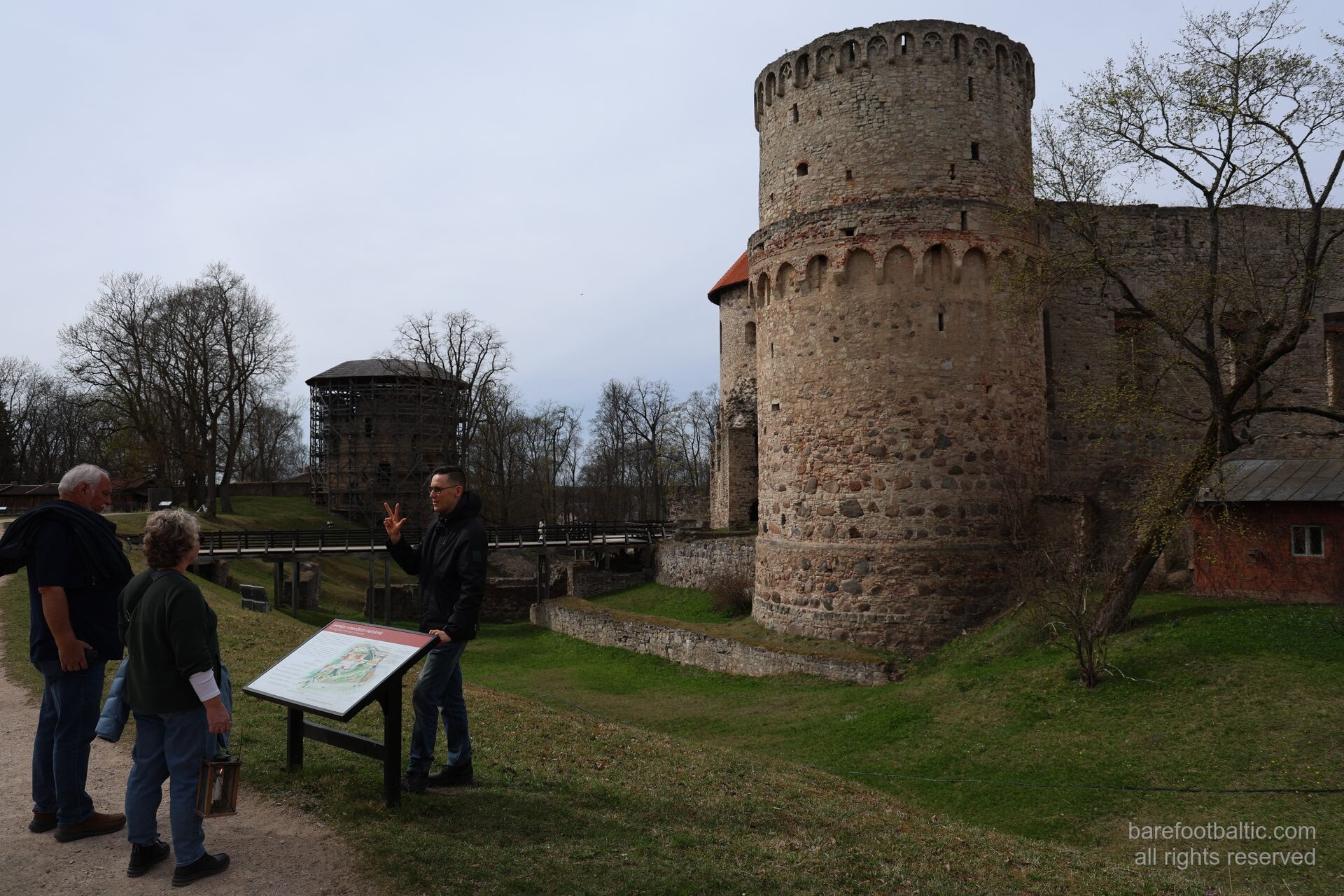
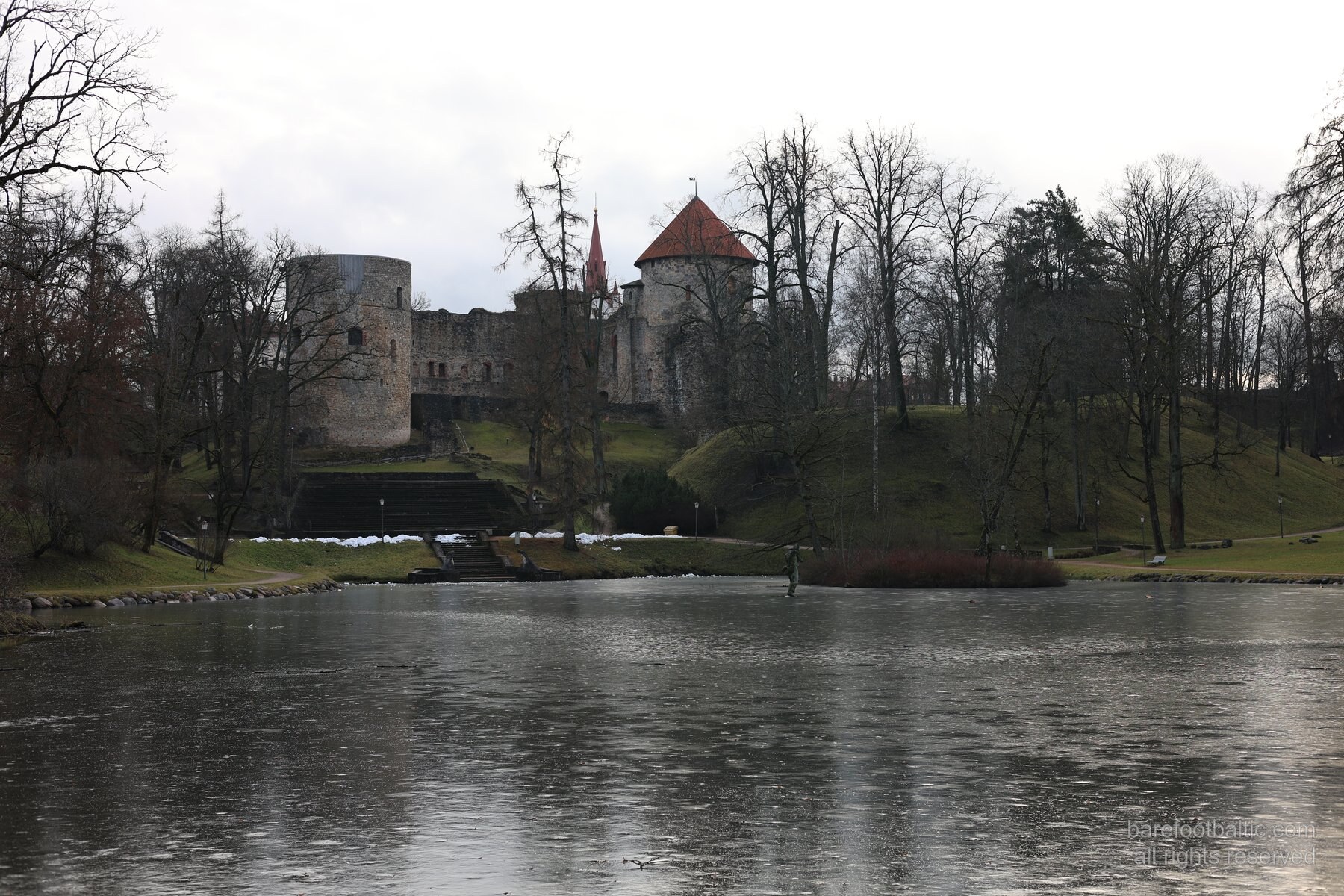
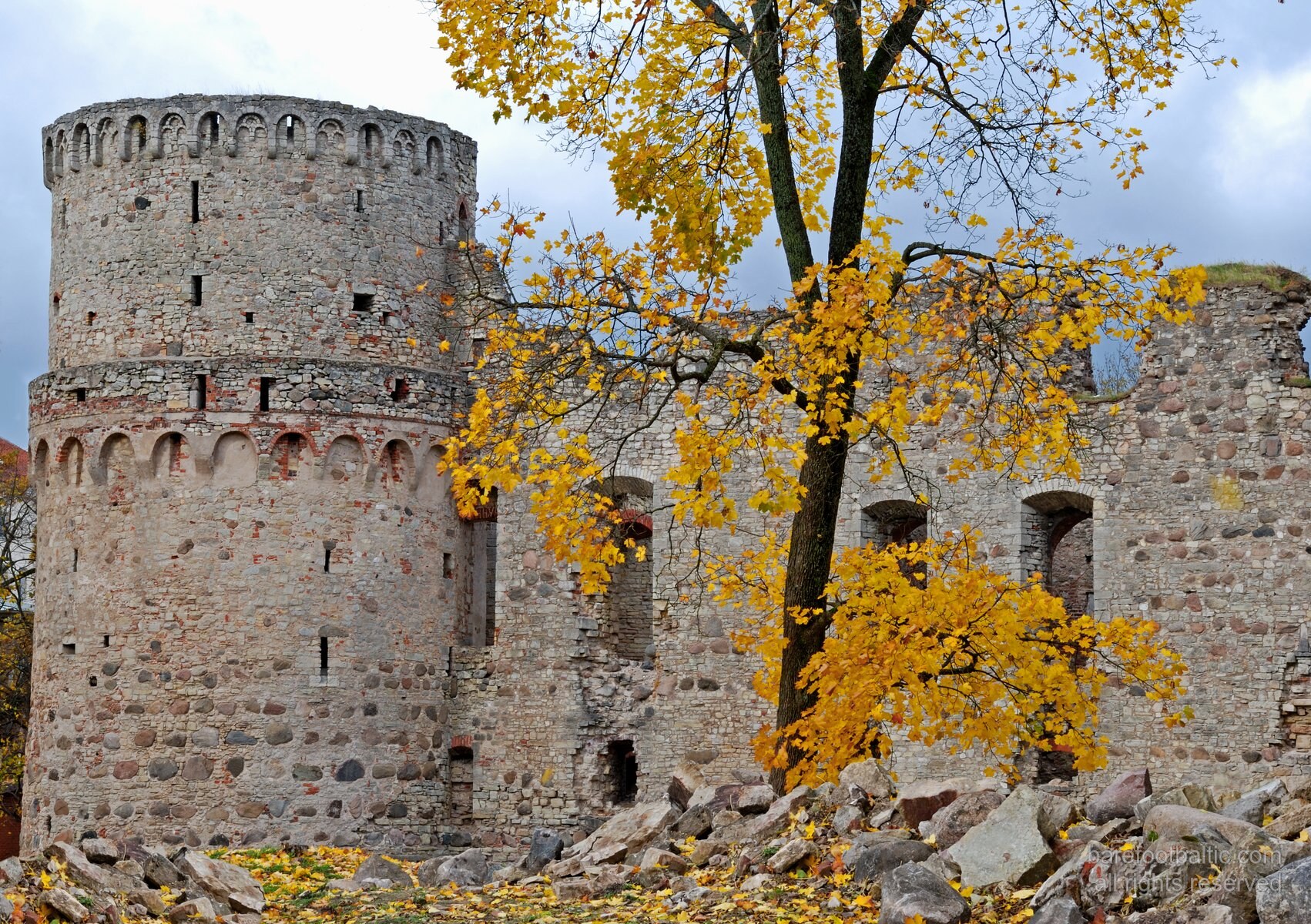
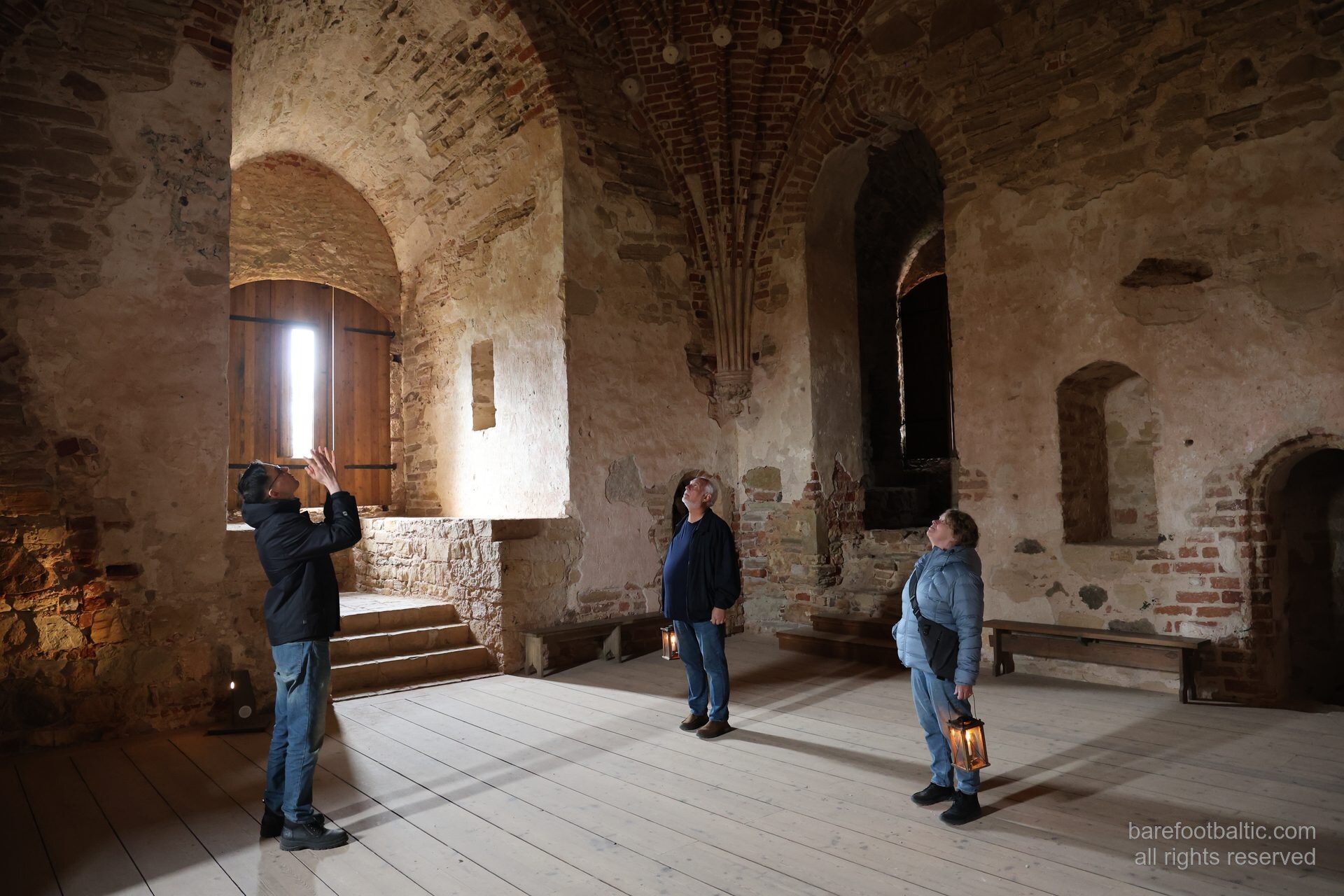
12 photographs of the three medieval castles you can choose from on a Sigulda+Cēsis day.
Turaida Castle is the one not to miss. Red-brick, hillside, walkable tower, excellent small museum, and the best single view in the valley. If you only do one castle, do this one. Allow 90 minutes minimum, two hours if you want to walk the sculpture garden and the old wooden church as well.
Sigulda Medieval Castle is the 13th-century ruin on the Sigulda side of the valley. Partially restored, atmospheric, and bundled with the Sigulda New Castle museum, which is good on regional history. Less visually striking than Turaida but worth 45 minutes and convenient because it's five minutes from Sigulda train station.
Cēsis Castle is the one I'd put first if I'd never been told about it. A 13th-century Livonian Order castle that you explore by candlelight, with a lantern in your hand, and it has been run this way for years. It's about as close as you'll get in modern Europe to a medieval castle interior on its own terms. The one catch is the distance. It sits 40 minutes beyond Sigulda, which is what makes the combo day tight. To do Cēsis justice, plan a dedicated day, or take a guided day that handles the timing.
I've written a separate post on exactly this question. Can You Do Sigulda AND Cēsis in One Day? walks through the timing, the trade-offs, and whether the combo makes sense for you.
How to get there, and your options
Sigulda is the easiest day trip in Latvia by public transport, which is a genuine differentiator. Three sensible ways to visit.
| Option | Cost per person | Time out and back | Pros and catches |
|---|---|---|---|
| Direct train from Riga Central Station | ~€6 return (€3 each way) | ~7 hours total | Cheap, frequent, and easy. The direct Riga to Sigulda train takes just over an hour and runs roughly every one to two hours. The catch is the last mile. From Sigulda station you need to get to the castles, which means walking into town (15 minutes) or a local bus, and getting to Turaida requires another local bus or a taxi (Turaida is 6 km from Sigulda town on the other side of the valley). |
| Self-drive hire car | ~€40 to €60 car hire plus fuel | ~6 hours total | Most flexible. 50 minutes each way. Lets you easily do Sigulda Castle, drive across to Turaida, and add the bobsleigh track or a forest trail. The catch is the view. You lose the train-window countryside, which is worth a window seat. |
| Guided day excursion | €94 per adult, €70 per child (ours) | ~10 hours total | All three castles in one day, Cēsis, Sigulda, and Turaida, bundled with the candlelit Cēsis tour pre-booked, lunch at a local Cēsis cafeteria, a bread maker visit, and a viewpoint stop. Central Riga pickup, air-conditioned minibus, small group of up to twelve, free cancellation up to 24 hours before departure. |
If you only want Sigulda + Turaida, the train is excellent and I'd recommend it. If you want Cēsis as well, a guided day is the only practical way to do all three justice in a single ten-hour window, because the Turaida-to-Cēsis hop + the candlelit-tour timing + the lunch break is hard to manage by public transport without losing an hour somewhere.
When to go, month by month
May. Spring. Forest floor waking up, wildflowers, cool temperatures, long days. The river is high and fast from snowmelt. The castles are freshly reopened after winter closures. Very few visitors. A lovely month for a first visit.
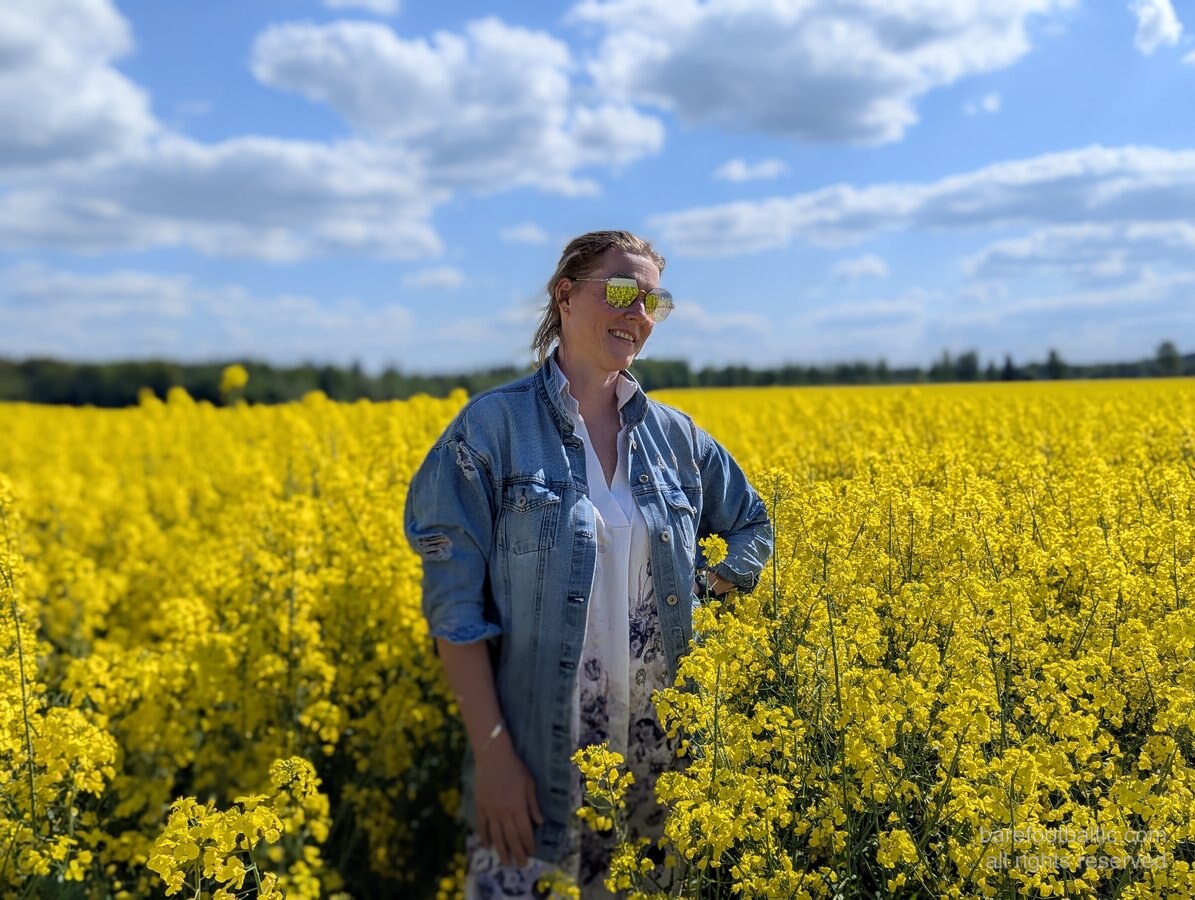
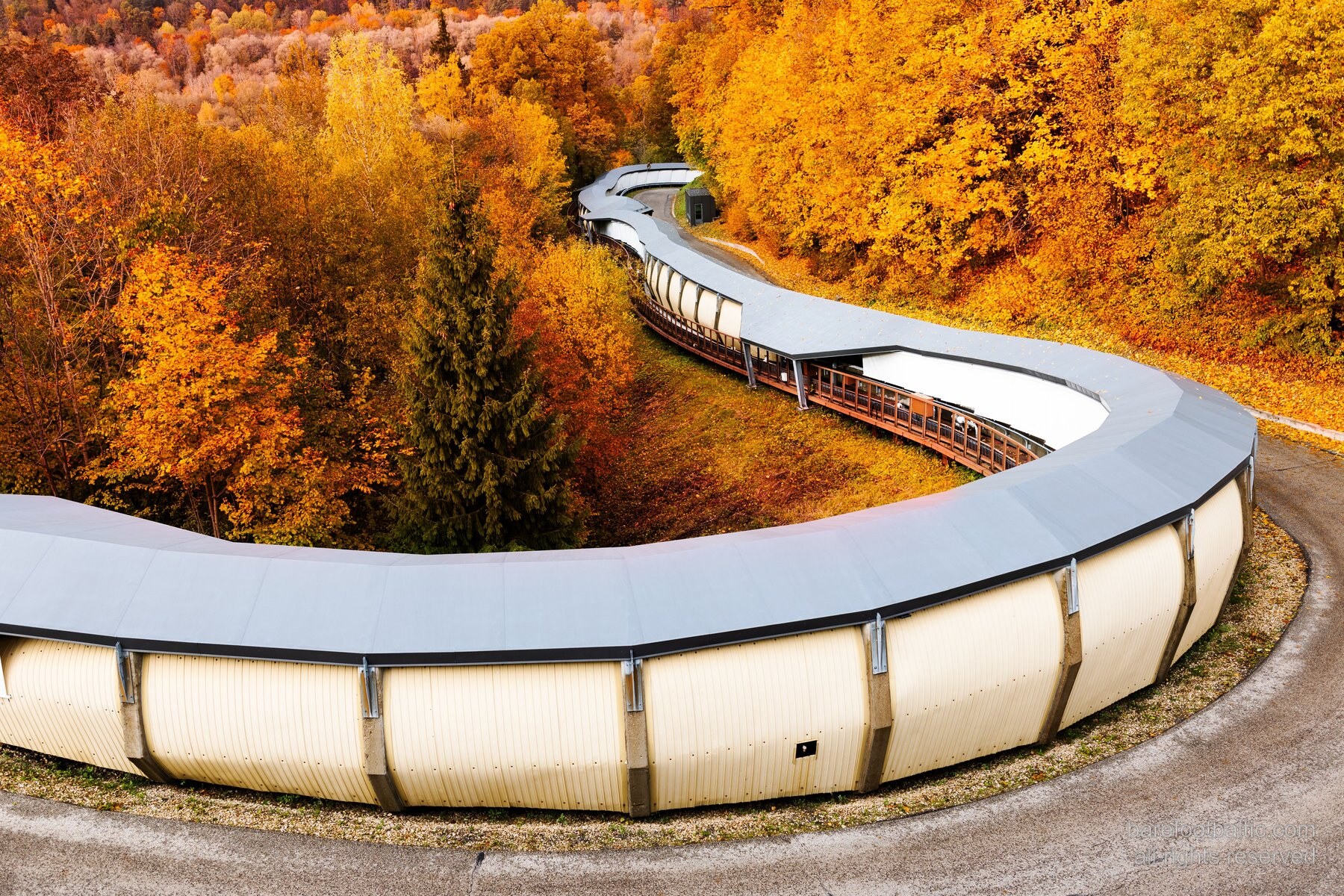
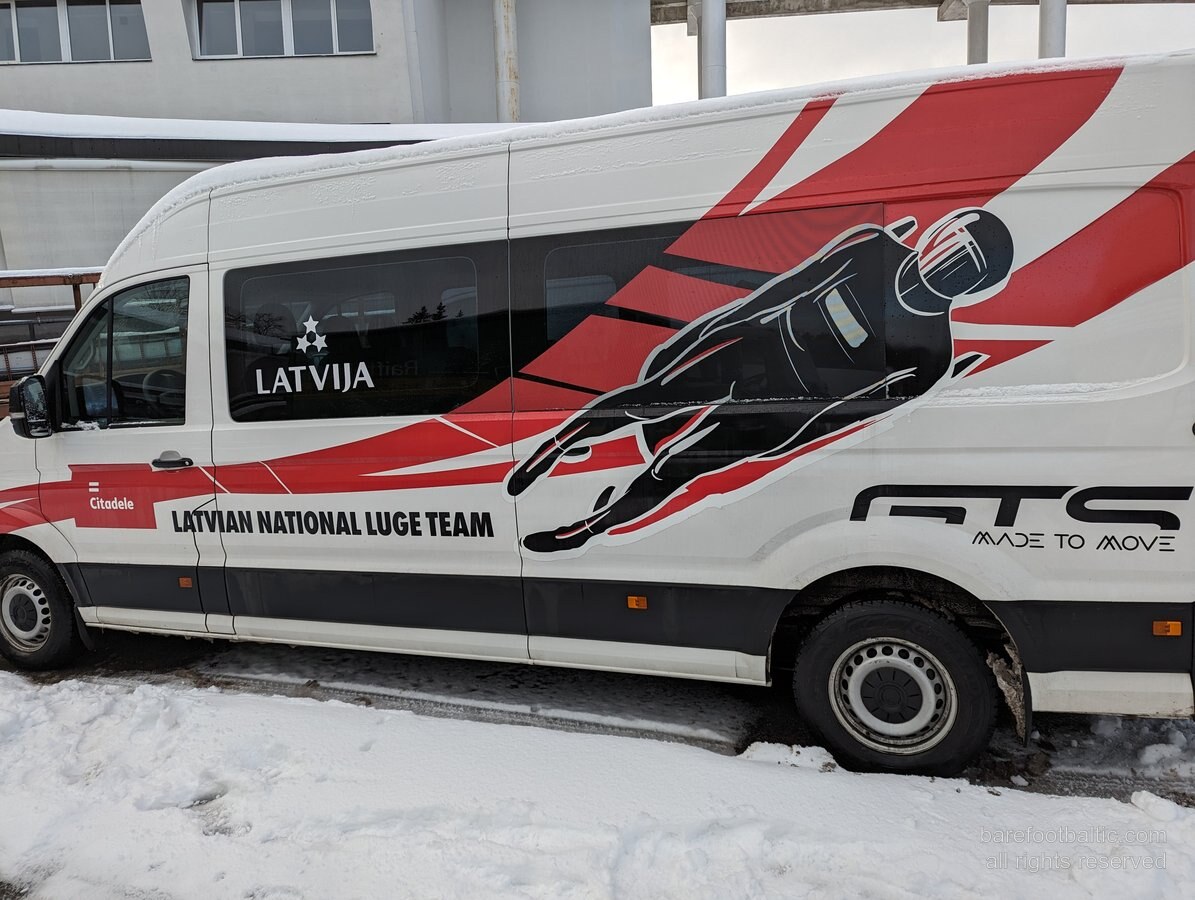
Five photographs showing how the place looks across spring, autumn, winter, and at dawn.
June. Peak summer light. Longest days in Latvia, sunrise around 4:30 AM, sunset around 10:30 PM. The forests are at their most vivid. Midsummer festival (Jāņi, 23 to 24 June) brings real local colour. Mosquitoes starting to appear in the forest.
July and August. Warmest and busiest. School holidays in Latvia and the Nordics bring Baltic and Finnish families. The castles still feel uncrowded by Western European standards, but the cable car can have queues on sunny weekends. Good for swimming in the Gauja if you like cold rivers.
Late September to mid-October. My favourite window. The valley turns amber and rust, the crowds drop off after the first week of September, the light from about 3 PM onward is the lowest and warmest of the year, and Turaida tower in late afternoon becomes the photograph you'll remember from your Latvia trip. If you're in Latvia between the third week of September and the 15th of October, do the Gauja Valley that week if you can.
November. Grey and damp, transitioning into winter. The forest is bare, the castles are quiet, and the whole valley has a melancholy beauty. Low visitor numbers. Worth it for travellers who like off-season atmosphere.
December to March. Winter. The castles are open but check opening days. The forest in snow is beautiful, and Turaida with snow on the red brick is a different kind of photograph. The cable car sometimes closes for high wind, and forest trails can be icy. Proper winter boots essential. Worth doing if you're already in Latvia in the quiet season.
April. Shoulder season. Spring is late in Latvia and the forest doesn't green up until late April. The castles are open but the gardens and trails are at their least photogenic. Cheap and quiet.
What to bring, and what to know before you go
- Proper walking shoes. Trainers won't cut it on the castle stairs. Turaida involves uneven ground and a tower climb, and Cēsis Castle has medieval stone floors. If you plan any trail walking, bring something with ankle support.
- Layers. Forest microclimates are cooler than Riga, and the cliff viewpoints catch wind. Even in July a fleece in your bag is a good idea.
- Cash or card for castle entrance fees. Turaida is around €7 to €8 for adults, Sigulda around €5, Cēsis around €6. Multi-site passes are sometimes available in peak season.
- Insect repellent in June and July. The forest trails have mosquitoes and occasional ticks (a real thing in Latvian forest, so check yourself after hiking).
- Water and a snack. Turaida has a small café and Sigulda has restaurants in town. Nothing on the trails. A filled water bottle and a sandwich go a long way.
- A camera. Phone cameras are fine, but a dedicated camera with a wide lens is worth it for the valley viewpoints and the autumn colour.
- Two to three hours of walking in total if you're doing just the castles, more if you add trails. Pace yourself.
- The train schedule. If you're going DIY, check the return train in advance. Direct trains from Sigulda to Riga run roughly every one to two hours and the last convenient one is typically around 6 PM.
Who Sigulda and the Gauja Valley aren't for
- People with only 48 hours in Riga who are set on Old Town. Old Town alone can fill two days. Sigulda is a reward for a slightly longer stay.
- People who want an alpine landscape. See the "Switzerland" section. The valley is beautiful, but it is not mountains.
- People who hate walking. A Gauja Valley day involves at least a couple of kilometres of walking on uneven ground, stairs, and hills. If that doesn't sound fun, this isn't your day.
- People who came for Latvian food, wine, and nightlife. Sigulda town has a handful of good restaurants but it's a small regional town. Come here for castles and forest, not for a foodie day.
- People expecting one big dramatic moment. The Gauja Valley rewards a slow accumulating day. Forest, castle, view, castle, view, rather than a single headline photo. If you want the single dramatic moment, book a helicopter tour somewhere else.
A final thing
The reason I take people to Sigulda more often than to any other day trip is that almost no one is disappointed. It works for nature travellers, history travellers, families, couples, solo visitors, and first-timers. It works in every season. It's easy to reach, affordable, and reliably beautiful. The only thing it consistently fails at is meeting Swiss-landscape expectations, and that's a problem of framing rather than of the place.
If you give it a fair look, and especially if you give it an autumn look, Sigulda is one of the Baltic experiences you'll remember from Latvia. The Gauja Valley at its best has the pull of a place that has been beautiful for ten thousand years and is in no hurry to impress anyone.
If you want all three castles, Cēsis, Sigulda, and Turaida, in one day, with the candlelit Cēsis tour pre-booked, a Latvian guide who grew up with these places in her school history books, and no navigating on your end, our Sigulda, Cēsis & the Gauja Valley excursion runs year-round for €94 per adult and €70 for children. Central Riga pickup, air-conditioned minibus, entrance to all three castles, a traditional bread-maker visit, a local lunch stop, and the afternoon valley viewpoint in the good light. You pay nothing today to reserve, and you get free cancellation up to 24 hours before departure. If you'd rather do it yourself, the train from Riga to Sigulda is one of the easiest day trips in the Baltics and well worth doing.
Either way, come in late September if the calendar lets you. The Gauja in autumn is the version of this place you should see first.
Frequently asked questions
Daiga Taurīte is a licensed Latvian tour guide and co-founder of Barefoot Baltic. She runs small-group day excursions from Riga. She grew up here, spent two decades in London, came home in 2024. Barefoot Baltic is licensed by Latvia's Consumer Rights Protection Centre (PTAC), holds ATD passenger transport licence PS-01995, and is insured by BTA Baltic for civil liability.