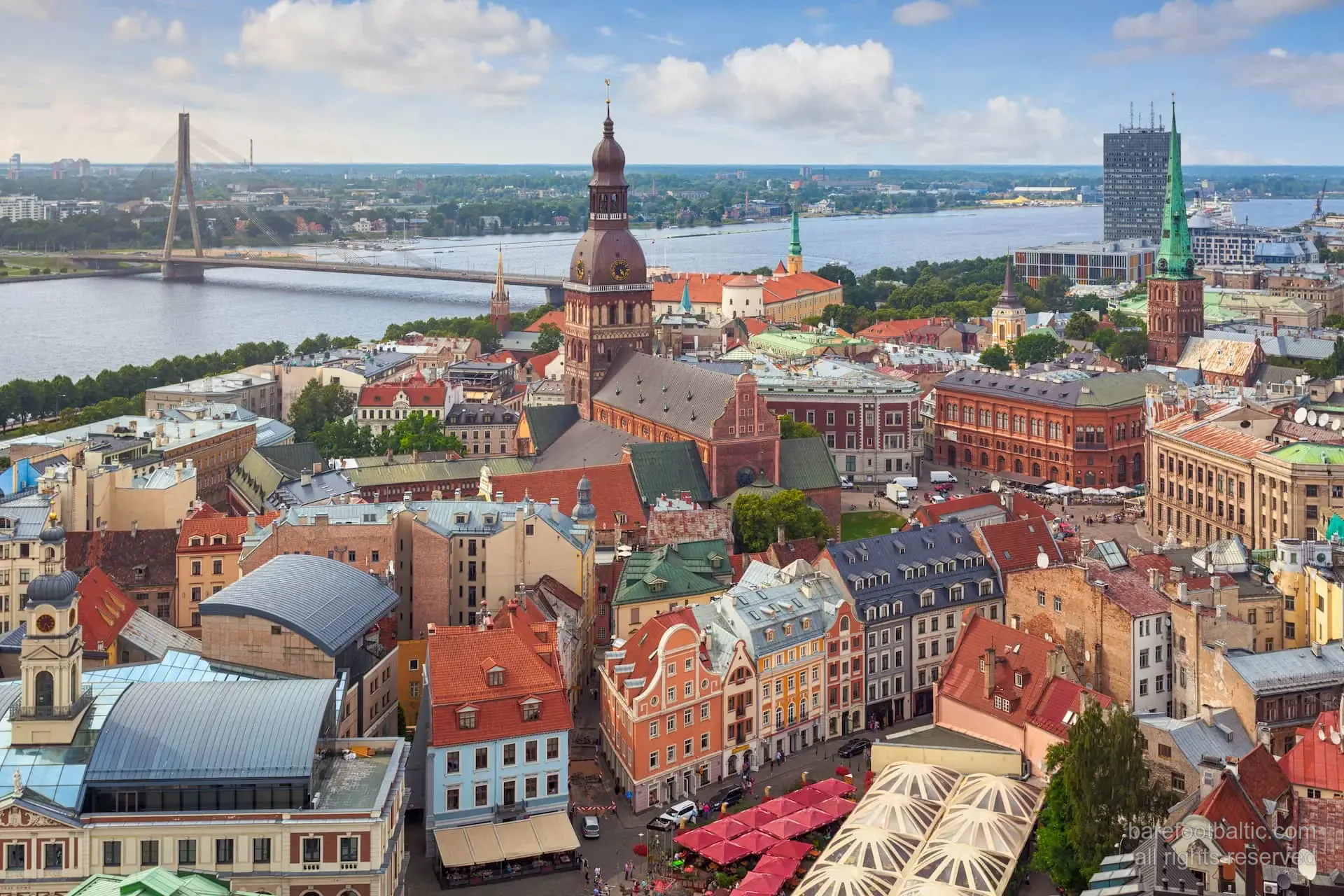
Writing about Latvia
I have used this space to gather some longer pieces I felt would be of interest to visitors to this region. I hope you find some of it useful.
Daiga
All Articles
Writing from Riga
The pieces are grouped loosely by what each one answers. If this is your first trip, start with the ‘Planning Your First 48 Hours’ piece.
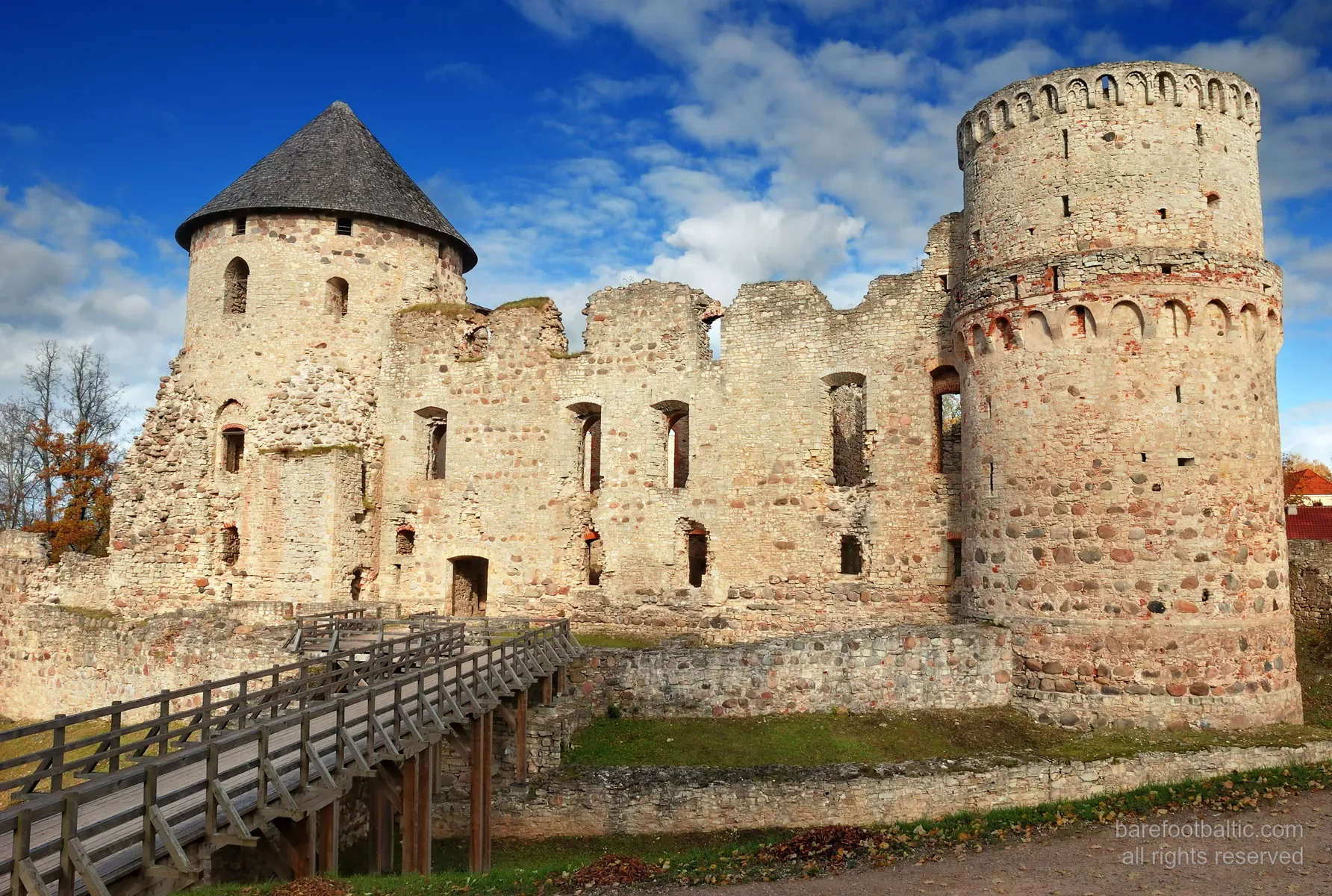
Things to Do in Cēsis: A Latvian Guide’s Ten-Stop List
Nine Cēsis stops in walking order from a Latvian guide who runs the loop most weeks. The medieval castle with the candle lantern in the €8 ticket, St. John’s tower, Cīrulīši cliffs, lunch at Pasēdnīca, the Āraiši Lake Castle side trip. Two-hour train from Riga, €4 each way.
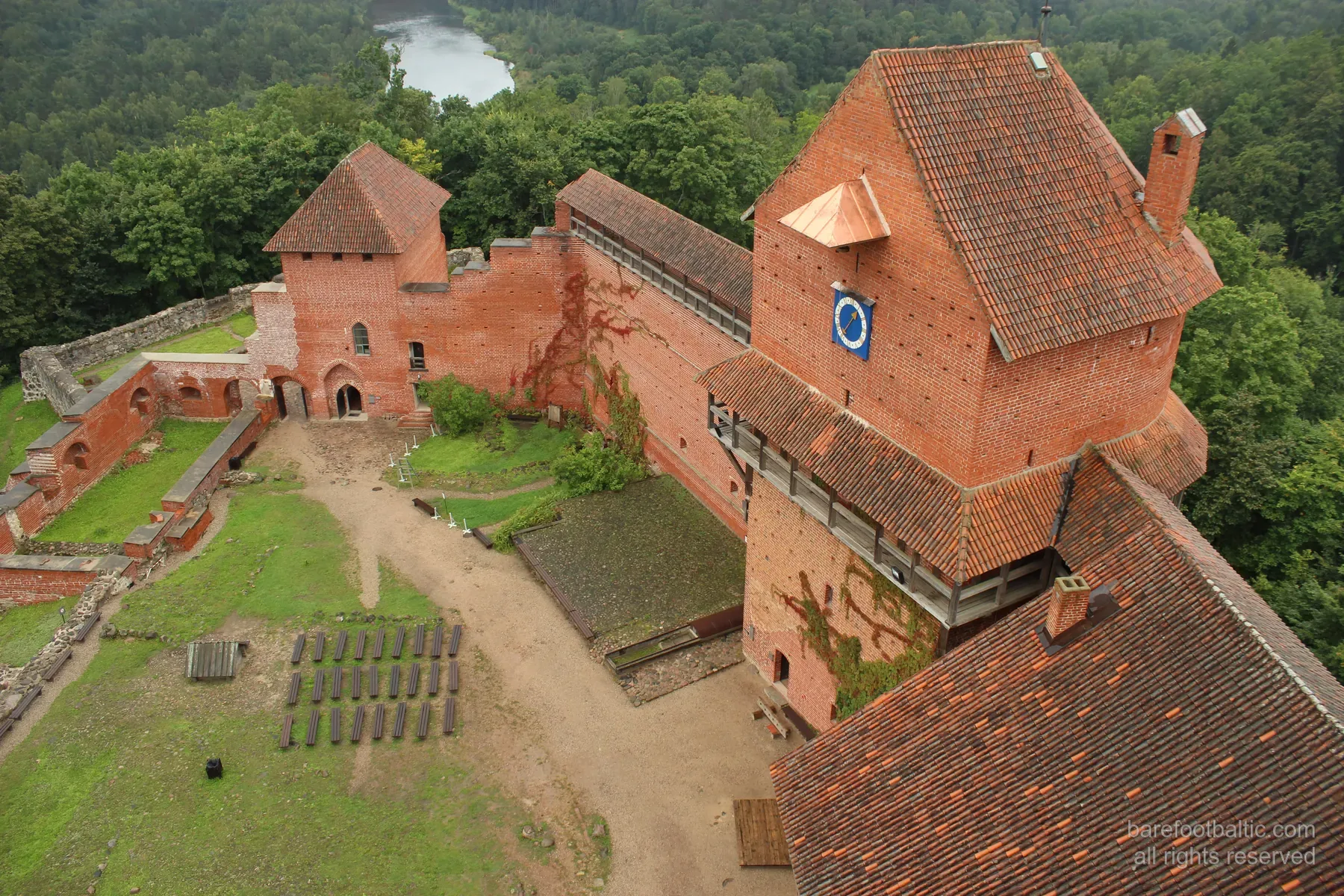
Things to Do in Sigulda: A Latvian Guide’s Fourteen-Stop List
Fourteen Sigulda stops in walking order from a Latvian guide who runs the loop most weeks. Turaida Castle on the red hillside, the Soviet-era cable car across the Gauja, the medieval castle ruin in town, the Olympic bobsleigh track, the sculpture garden at Dainu Kalns, cliff viewpoints, Gutman’s Cave, a Ziedlejas pirts evening, and three restaurants only locals know.
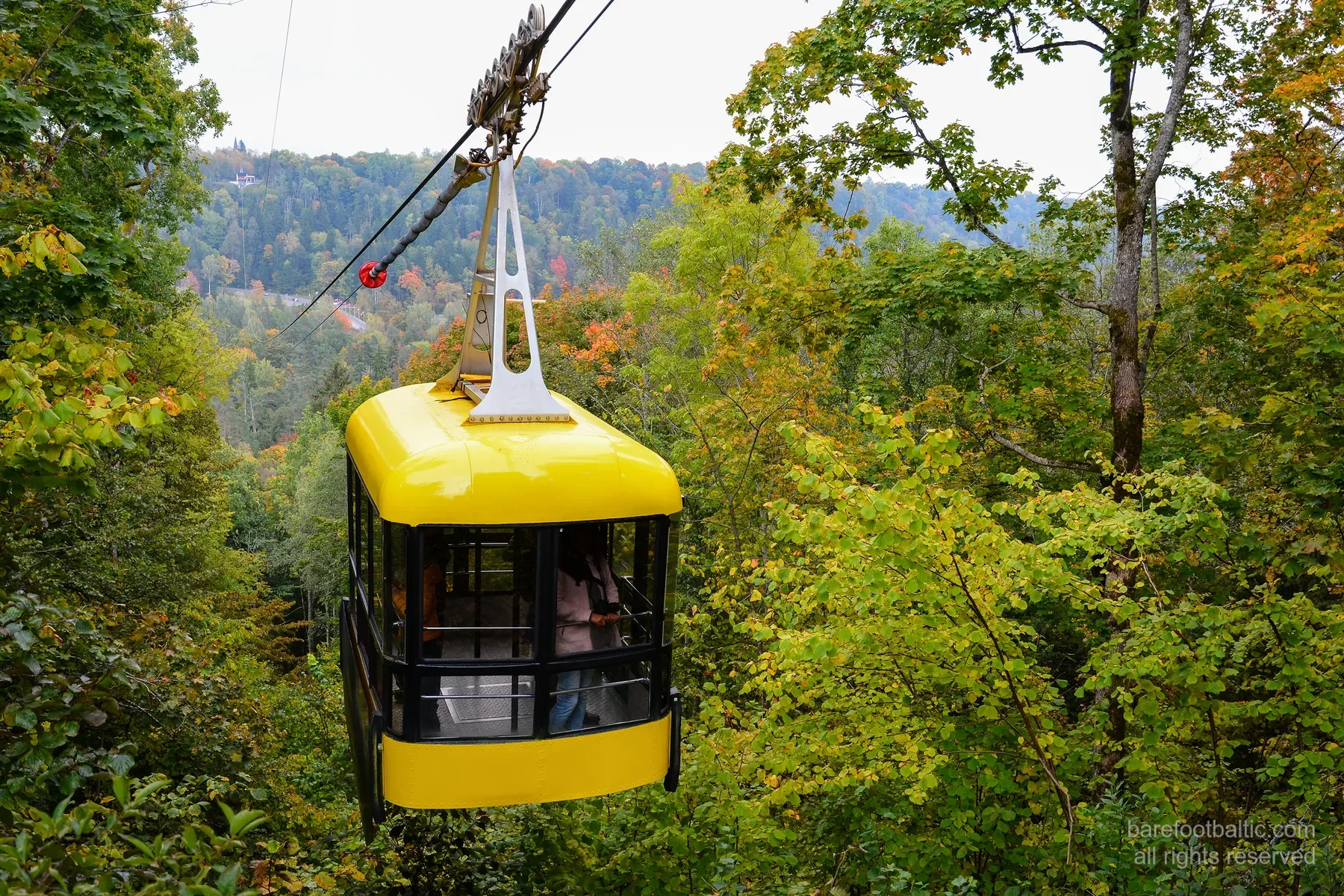
Sigulda Day Trip from Riga: A Latvian Guide’s Hour-by-Hour DIY Itinerary
The DIY Sigulda day is a morning train from Riga, Turaida Castle first, one-way cable car back across the Gauja, lunch in town. Around €30 a head. The honest answer on when the €94 guided version makes more sense than two train tickets.
Sigulda in Winter: A Local Guide’s Take
Sigulda runs all year on reduced hours, and the off-season is the immersive version of the Gauja valley — the cable car nearly empty, the Turaida staff with time to talk, Mr. Biskvits half-empty on a Wednesday in January. What’s open, what’s closed, the path I won’t take in deep ice, and the answer about whether Sigulda has a Christmas market.
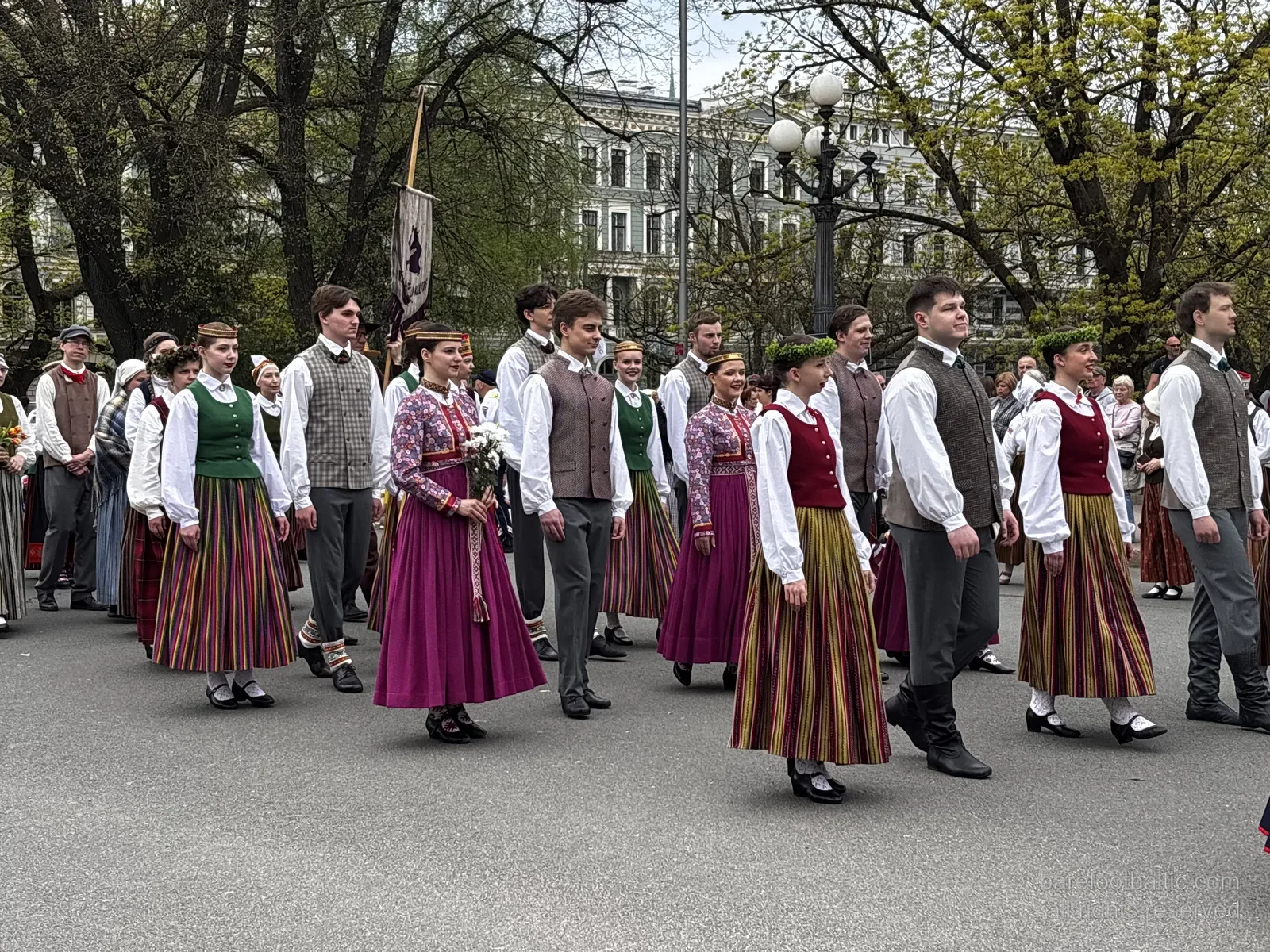
Latvia’s Other Independence Day: A May 4 in Riga
Latvia has two independence days. The 4 May one marks the 1990 vote that began restoring the country — the door-opening, before the door stayed open in August 1991. Folk costumes, daffodils, free trams, and a quiet ceremony at the Freedom Monument. Notes and photos from this year’s procession.
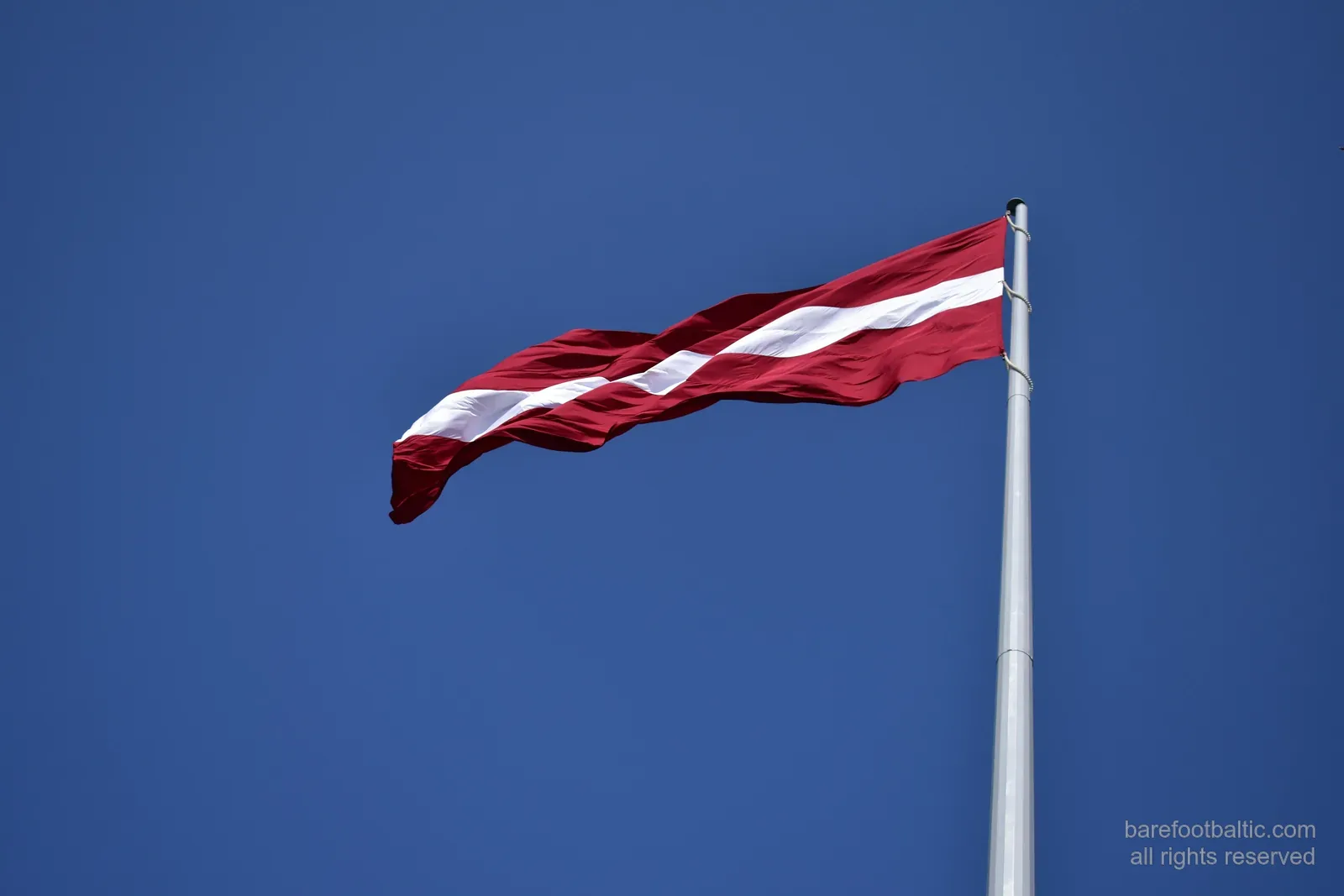
Kristaps Porziņģis: From Liepāja to the NBA
Born Liepāja 1995. Drafted fourth overall by the New York Knicks in 2015 and booed by the home crowd. Won the NBA championship with the Boston Celtics in June 2024 with a Latvian flag on his shoulders. The standalone profile of Latvia’s most famous athlete and the small Baltic country that watched every game.
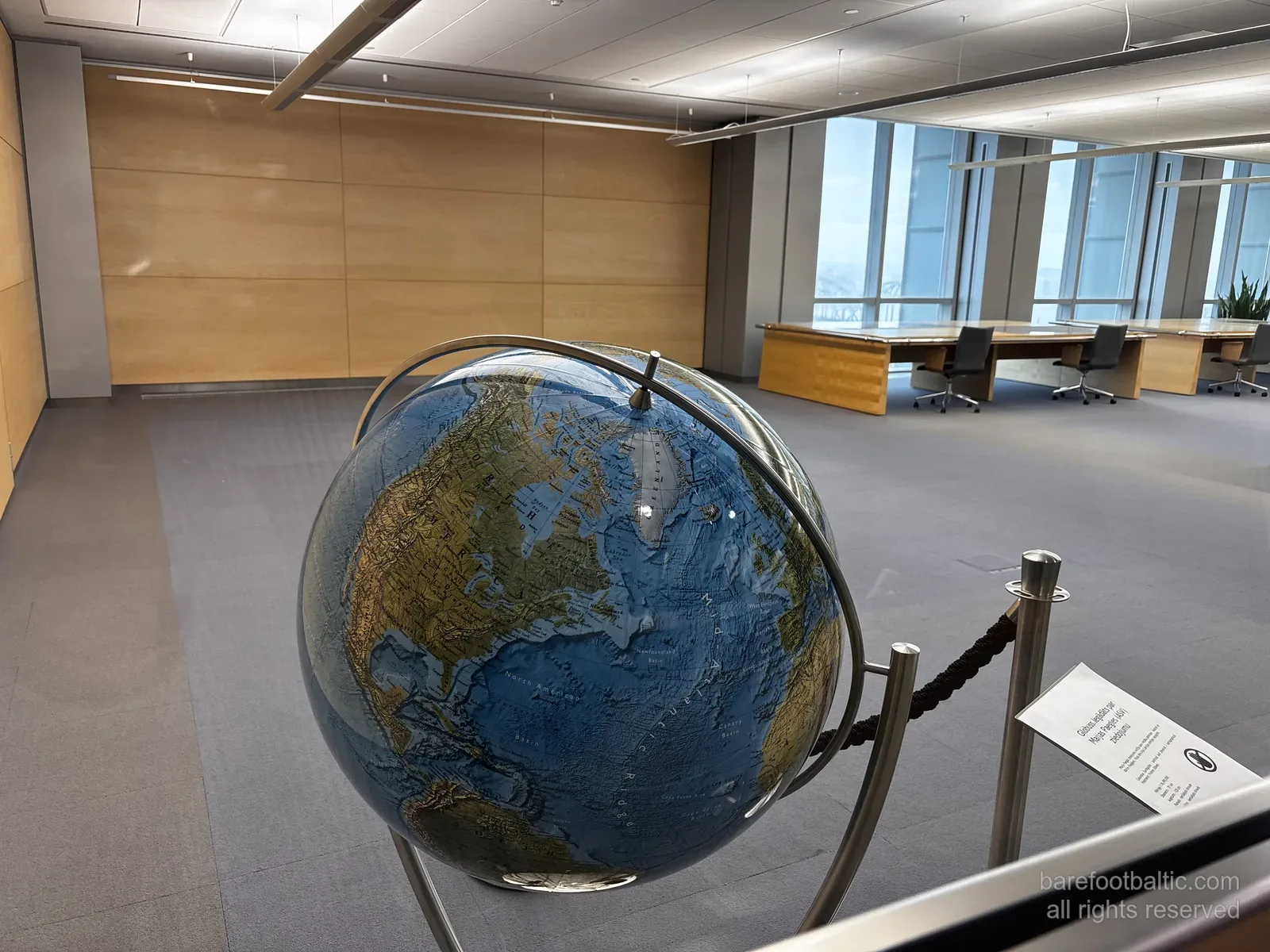
Krišjānis Barons: The Man Who Saved 217,996 Latvian Folk Songs
Born Strutele 1835, died Riga 1923. Forty years of his life went into a wooden cabinet of 217,996 hand-written cards, one daina per card, sorted into 70 drawers. The cabinet is on the UNESCO Memory of the World register and now lives at the National Library of Latvia. Here is the man and the work.
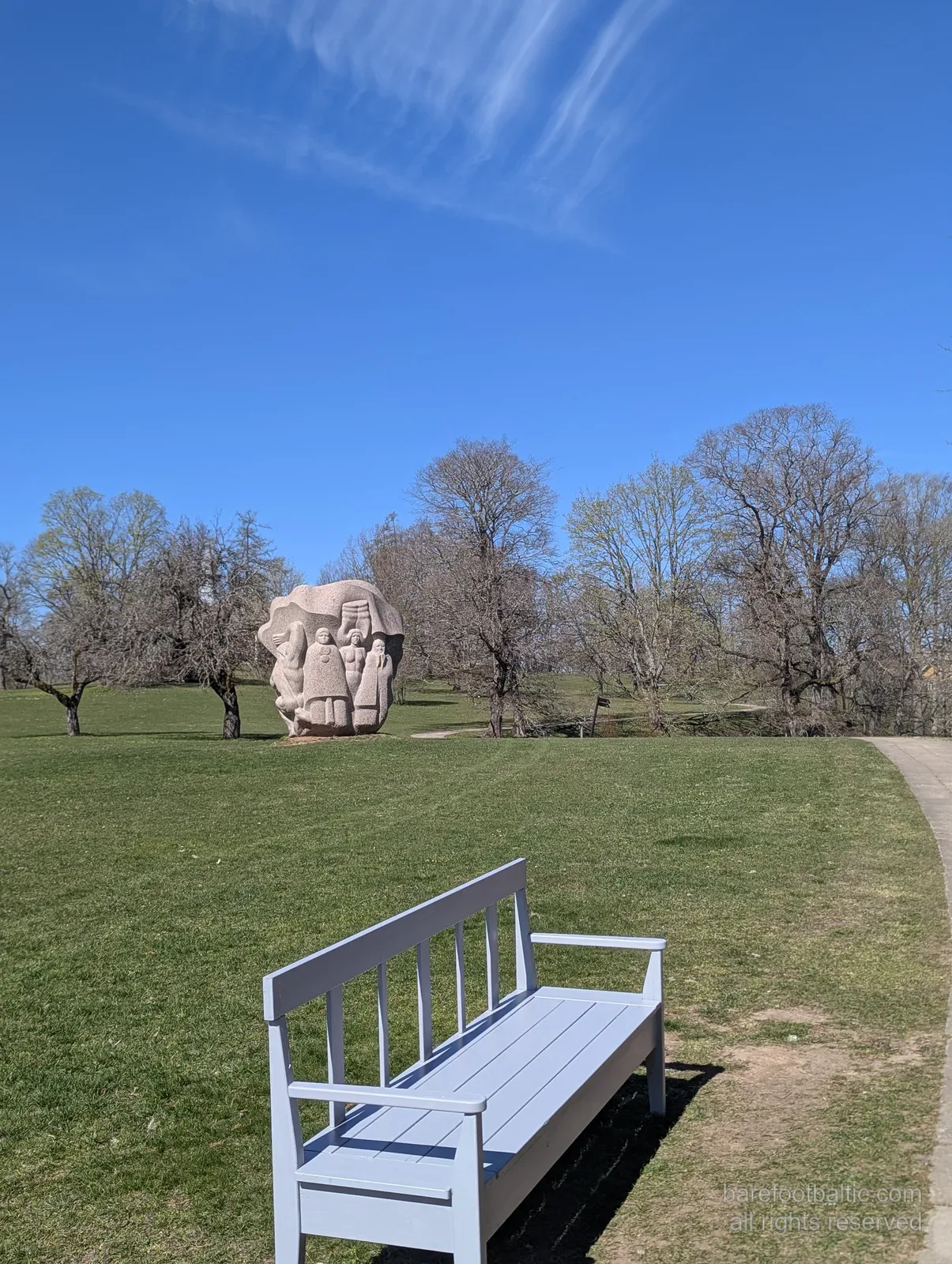
Dainu Kalns Sculpture Field Guide: All 26 Stones at the Hill of Dainas, Turaida
The on-site plaques at Dainu Kalns are mostly Latvian-only. This is the English field guide to walk the hill with. Every Indulis Ranka sculpture, the daina each one carries, the year it was placed, and the order in which a sensible walk takes them in. Drawn from the museum’s own published guide.
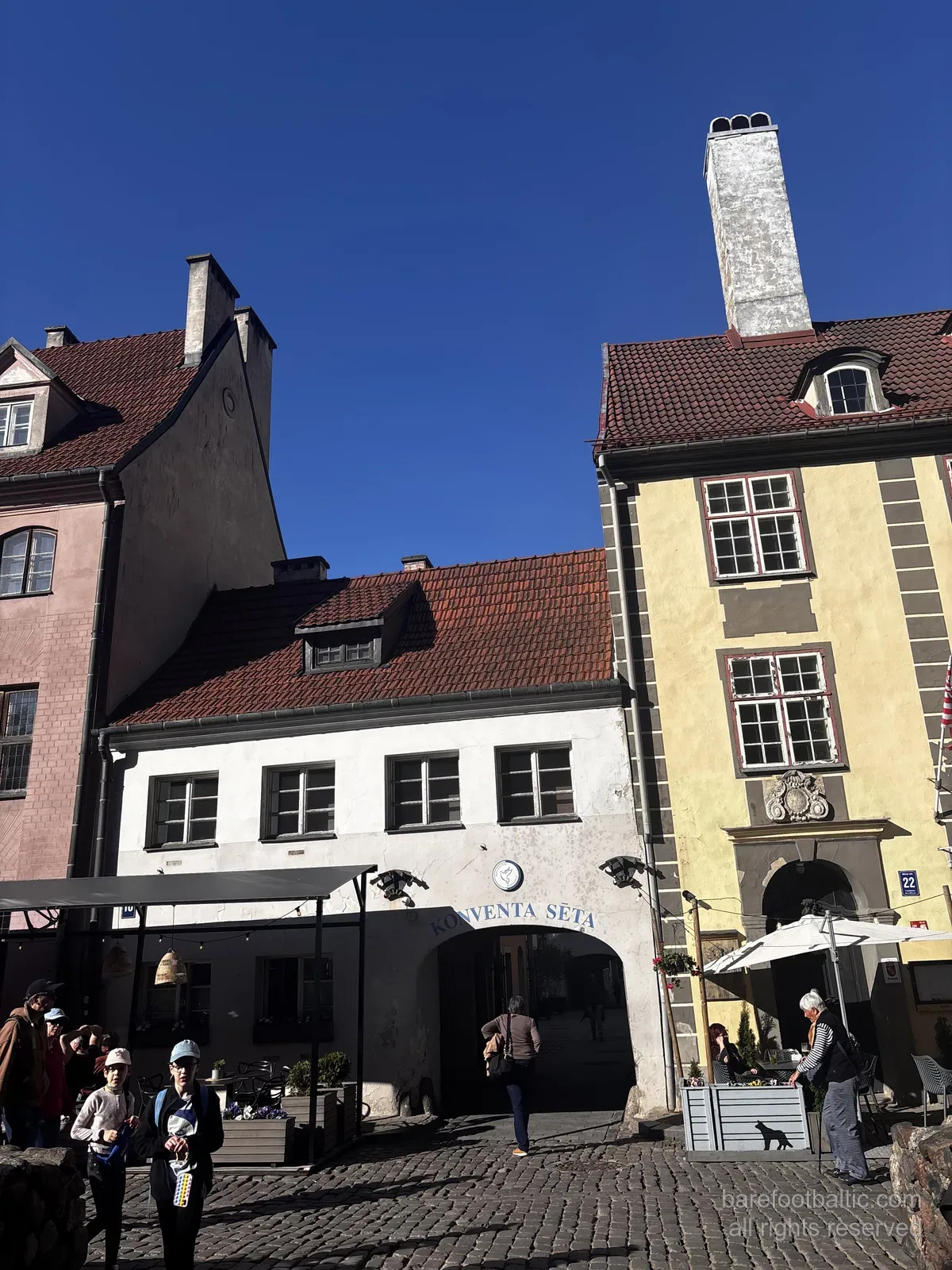
Konventa Sēta (Convent Yard): The Medieval Courtyard Behind Kalēju iela
A quiet medieval cluster of 16th-to-18th-century buildings on 13th-century foundations, between Kalēju and Skārņu iela. A hotel, a porcelain museum, a café-lined courtyard, and the Holy Spirit dove on the keystone above the main arch. The bonus stop on the central Old Town arc.
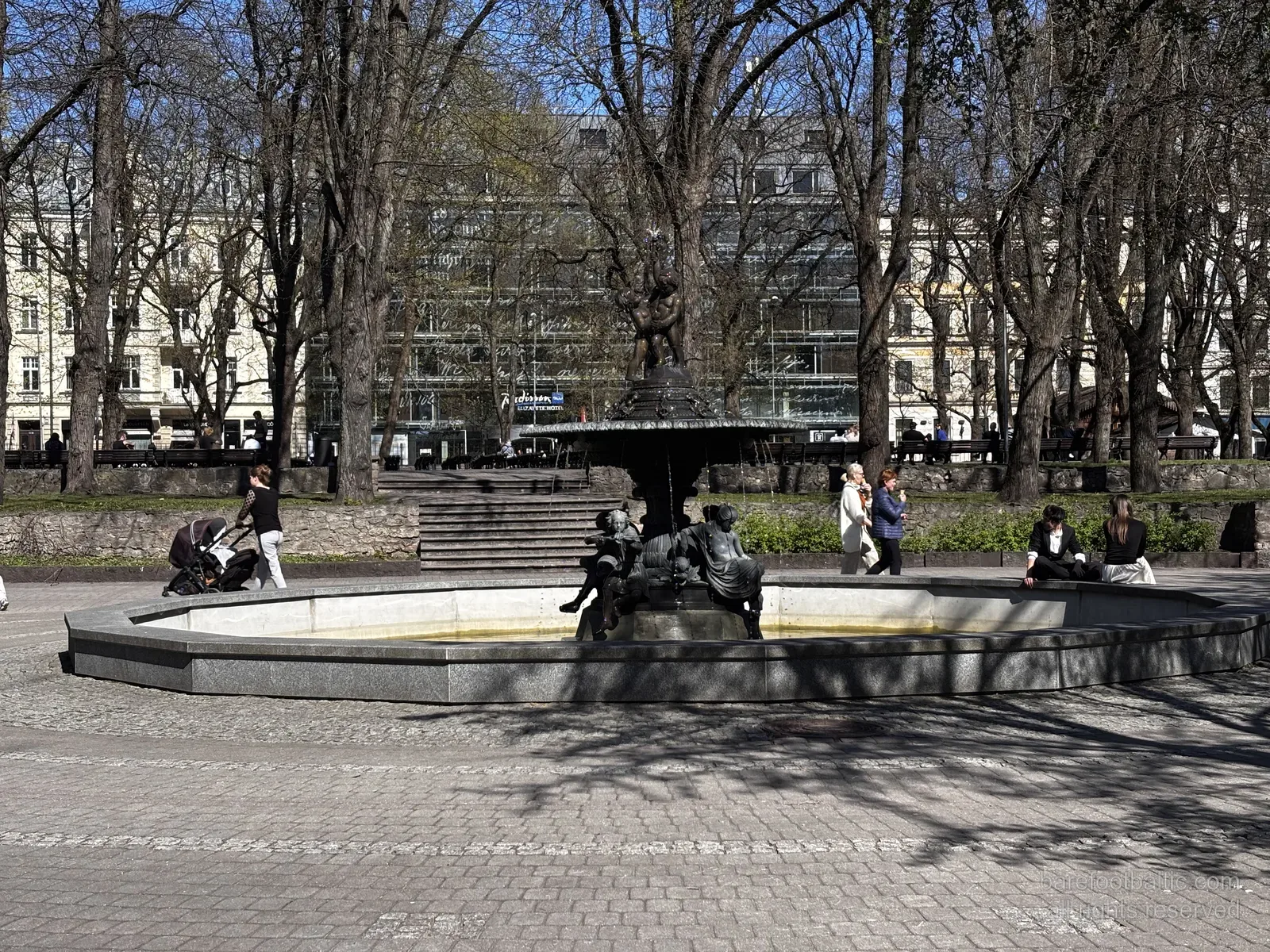
Vērmanes dārzs (Vērmane Garden): The Oldest Public Park, Where Locals Actually Sit
Riga’s oldest public park, founded 1817, named for Anna Wöhrmann. Five minutes east of the Freedom Monument, with the central 1880s fountain, mature 19th-century trees, and Japanese cherries that flower in early May. The park Latvian Rigans actually use.
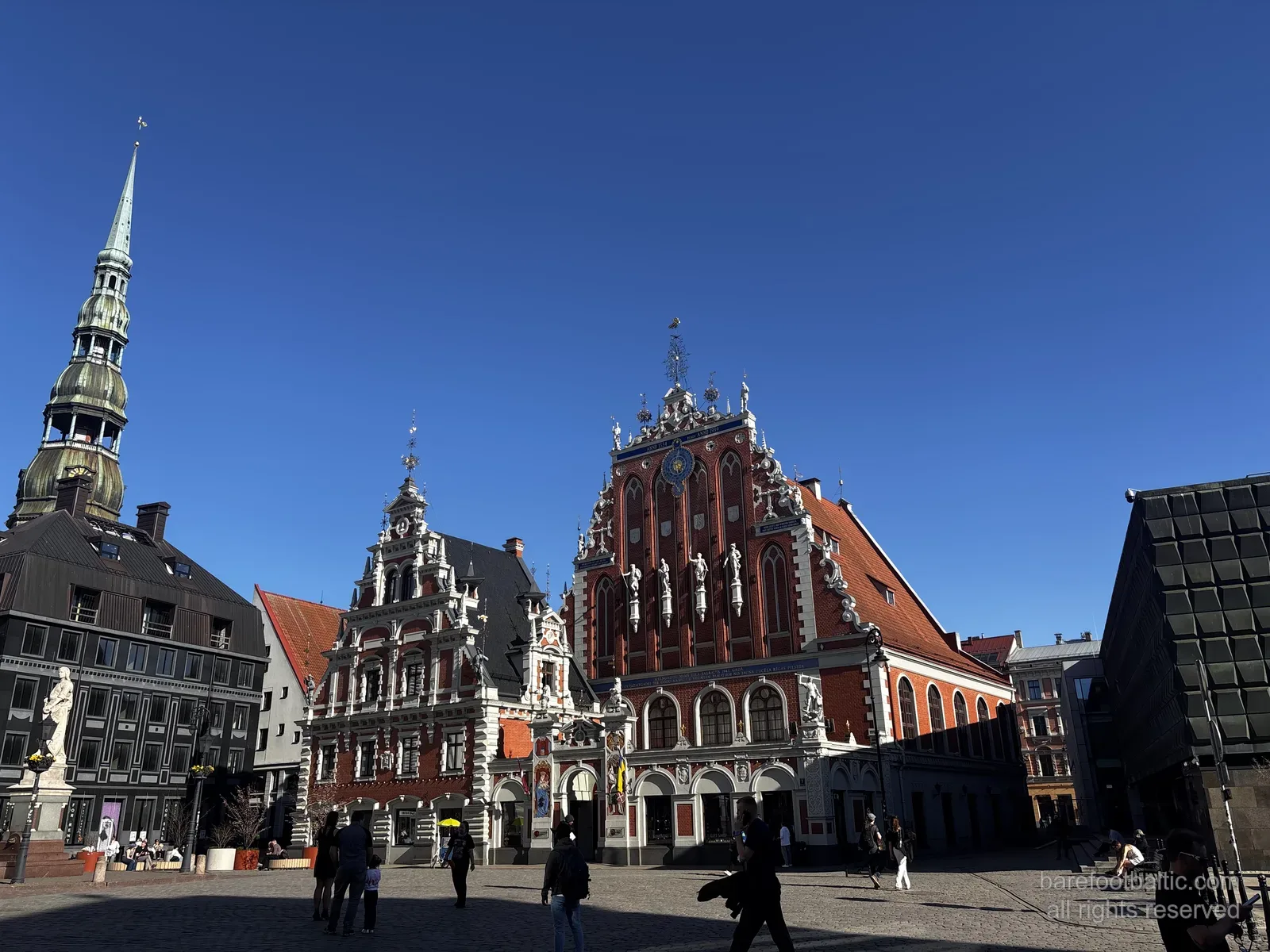
The House of the Blackheads (Melngalvju nams): The Most Photographed Building in the City
Original 1334, destroyed in 1941, demolished by Soviet authorities in 1948, reconstructed 1995–1999 from drawings and salvaged stone. The Dutch Renaissance facade Riga has on every postcard, and the museum and Great Hall inside.
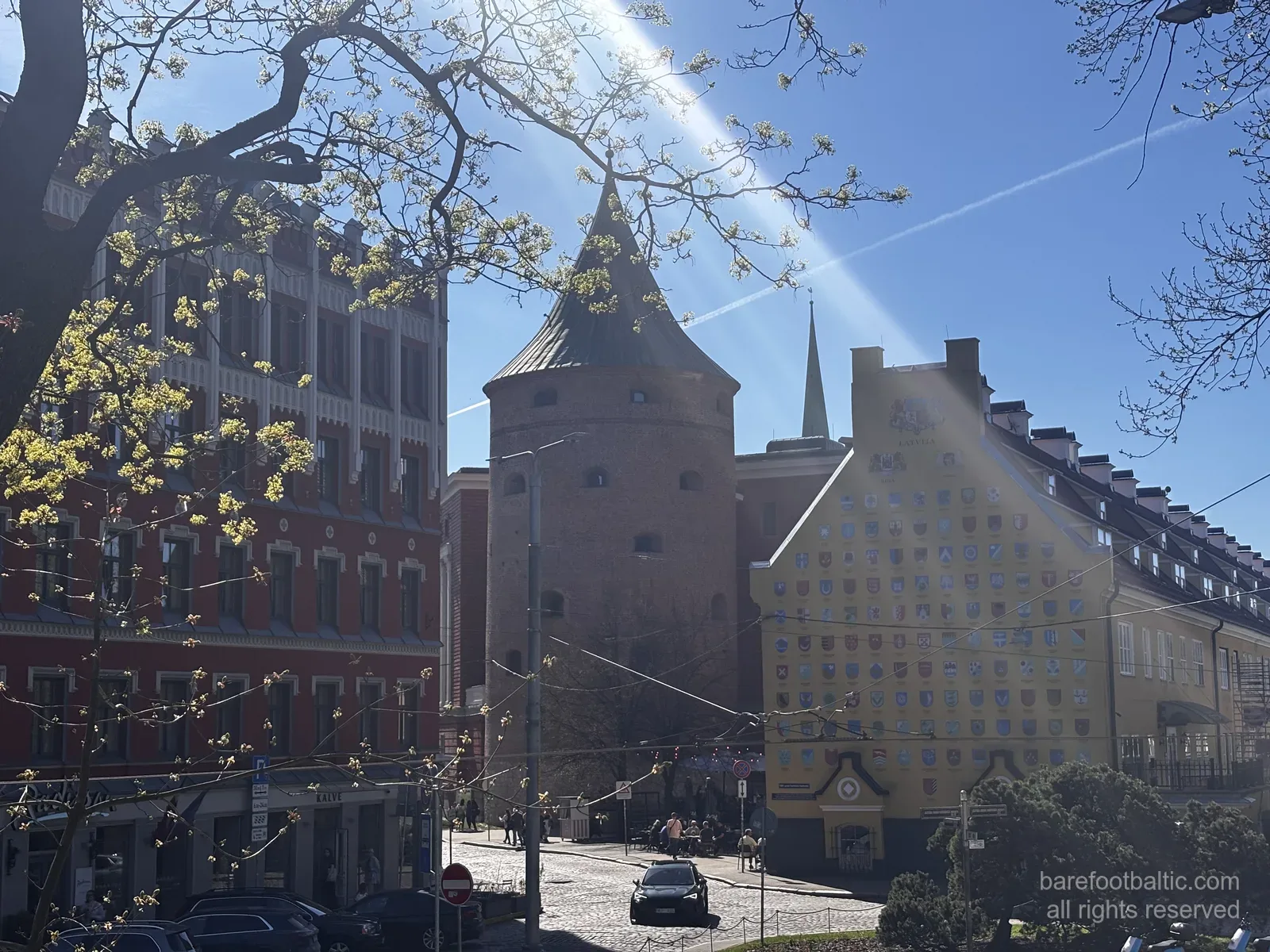
The Powder Tower (Pulvertornis) and Latvian War Museum: The Free Museum That Explains Latvia
The only surviving tower of Riga’s medieval city walls, with nine 1656-siege cannonballs still in the north wall. The free Latvian War Museum inside — the second-largest history museum in the country — is one of the two stops that actually explains 20th-century Latvia.
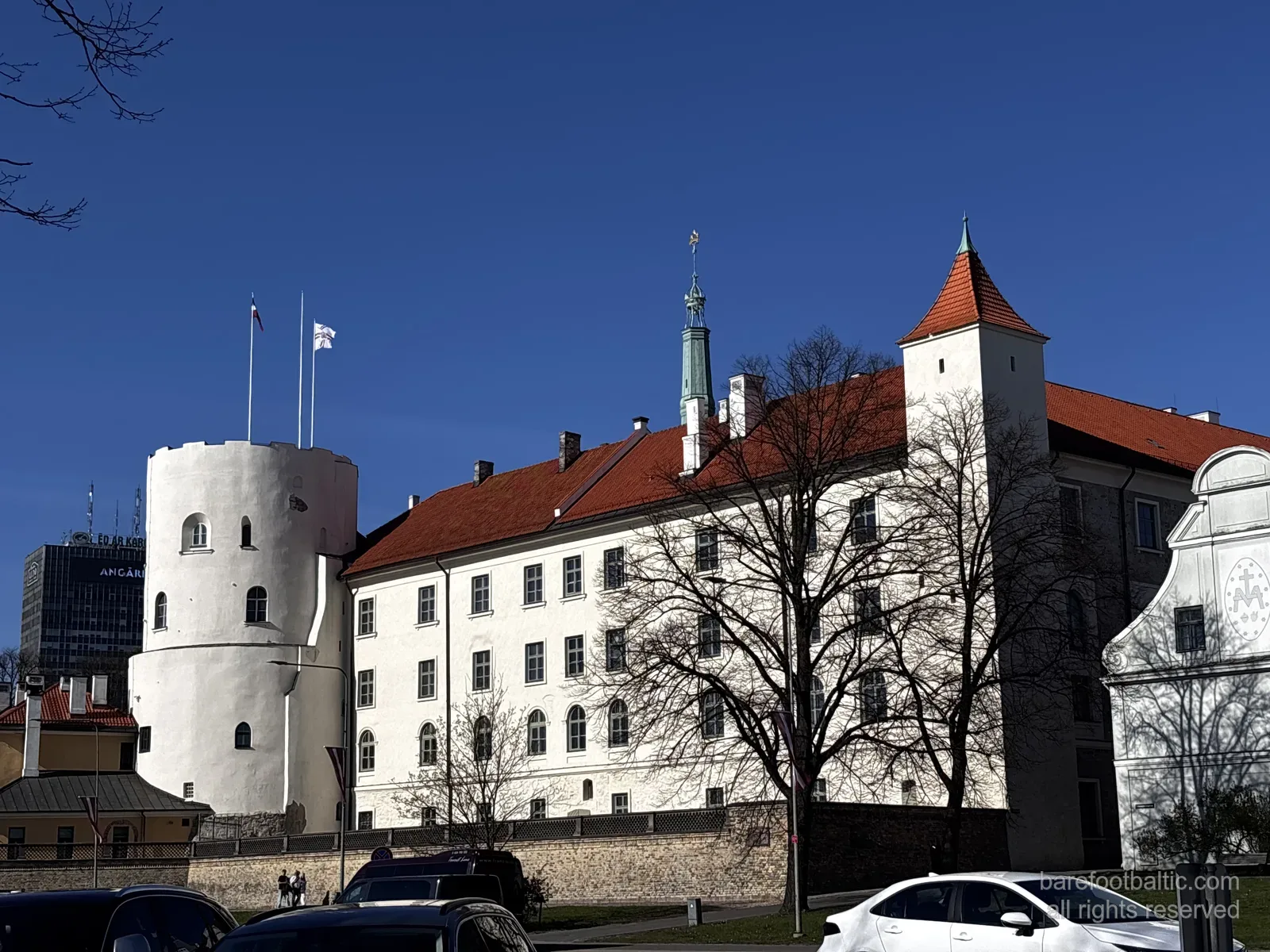
Riga Castle (Rīgas pils): The President’s Residence and What You Can Actually Visit
The 1330 Livonian Order castle that became the official residence of the President of Latvia. The National History Museum inside, the Holy Spirit Tower, and the prettiest short walk in central Riga along the Daugava embankment.
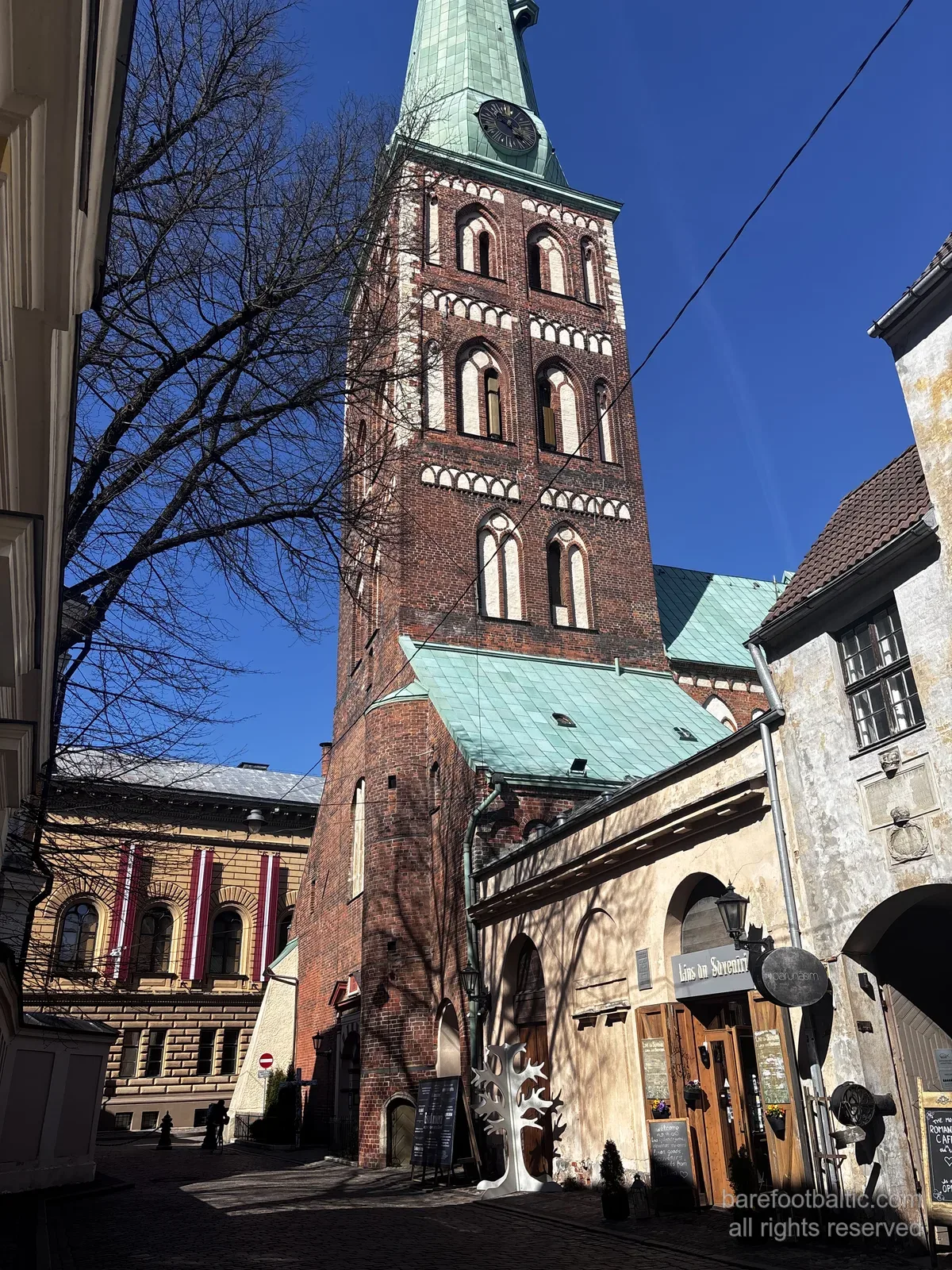
St James’s Cathedral (Sv. Jēkaba katedrāle): The Catholic Cathedral Next to Parliament
Riga’s second cathedral — smaller, slimmer, Roman Catholic, next door to the Saeima. The 1660s red-and-white baroque portal, the ‘ringing rooster’ legend, and a thousand years of confessional switching.
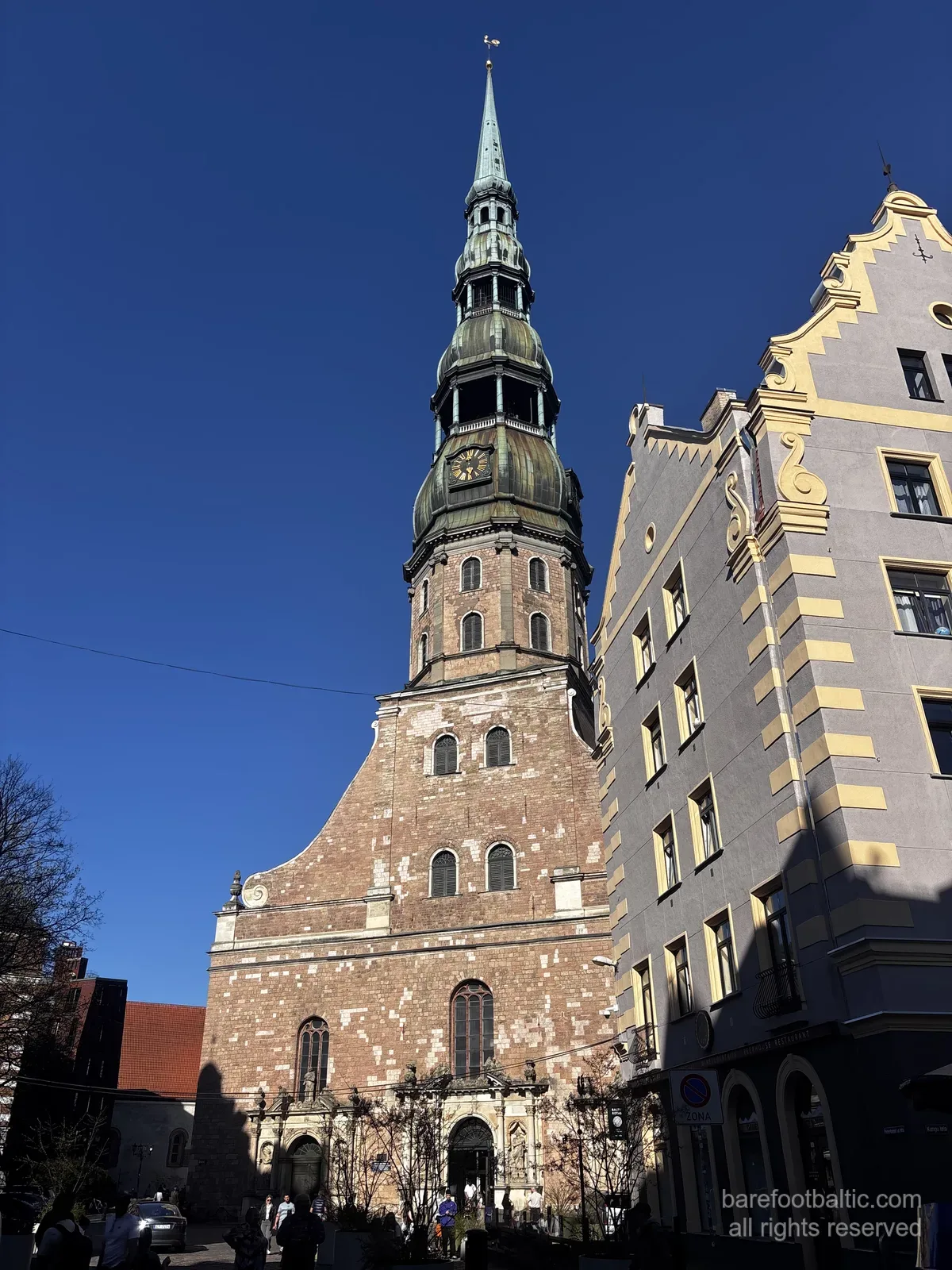
St Peter’s Church (Sv. Pētera baznīca): The Tower, the View, the Twice-Rebuilt Spire
The 123-metre Gothic church with the best panorama in Riga, twice destroyed and twice rebuilt. The view from the platform at 72 metres in golden hour, the Reformation Square, and what to know before you climb.
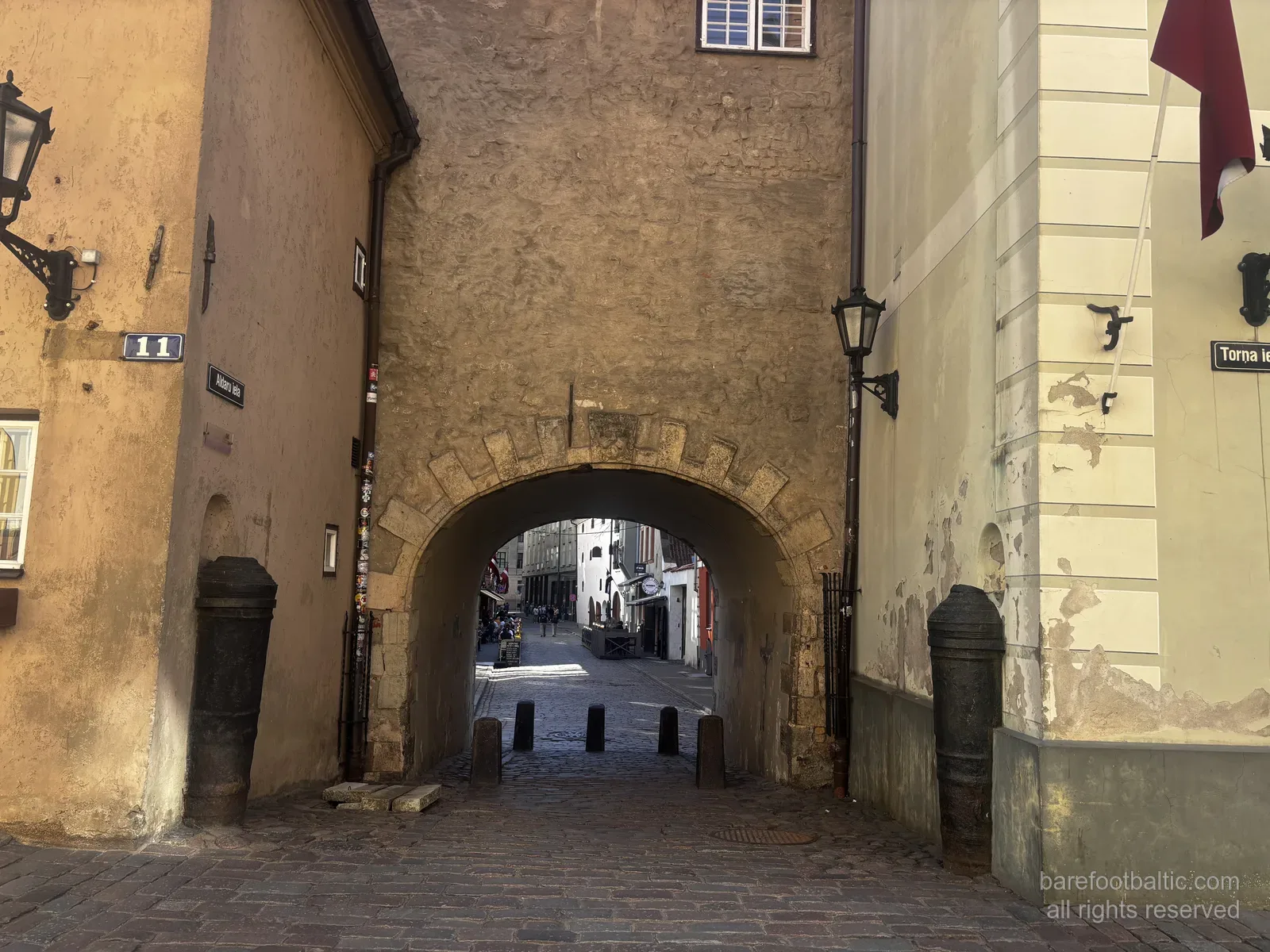
The Swedish Gate (Zviedru vārti): The Last Surviving City Gate
1698, cut through the wall for one merchant’s warehouse access, the only surviving gate of the eight that once ringed the medieval Old Town. On the prettiest cobblestone lane in Riga.
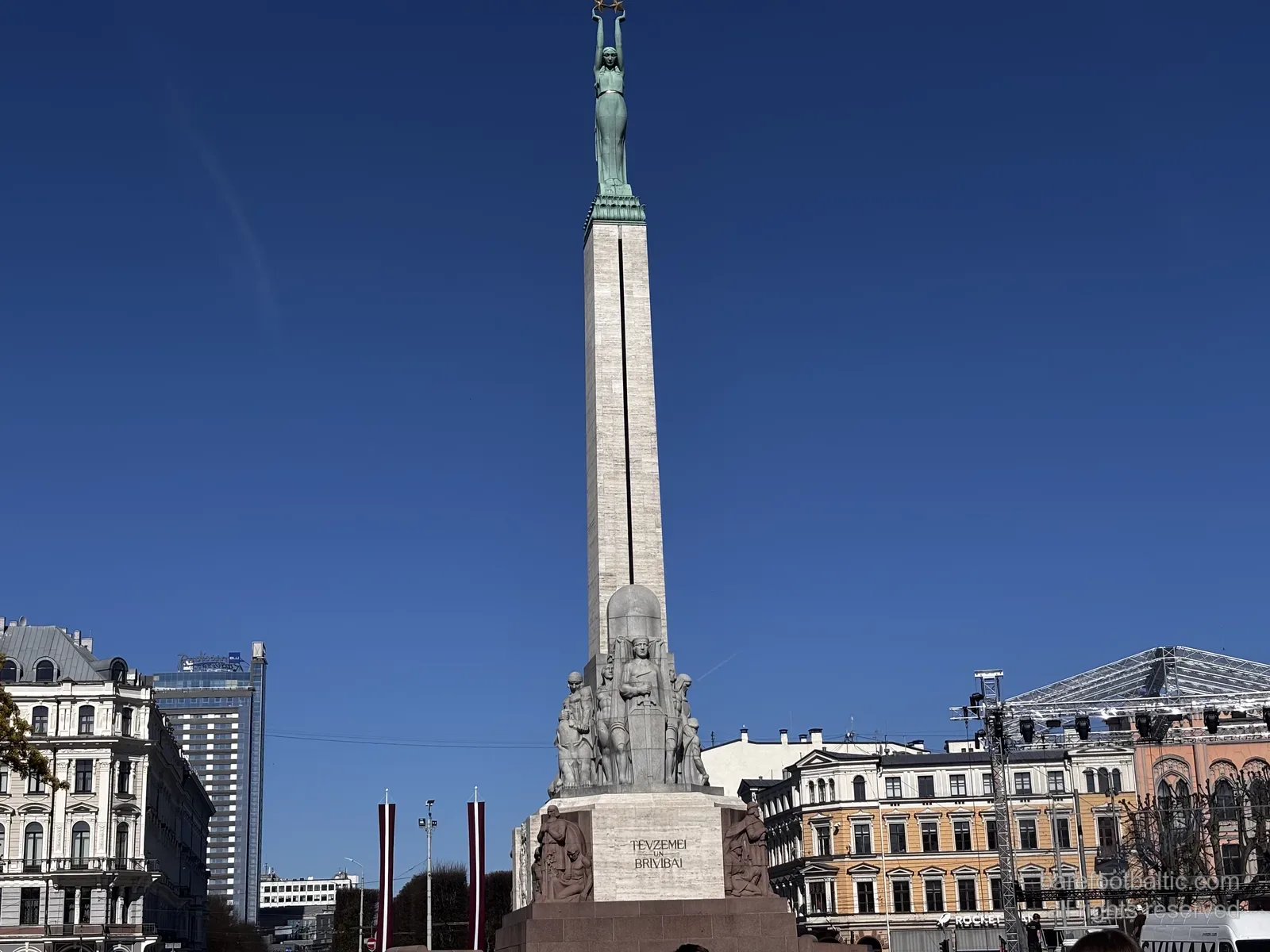
The Freedom Monument (Brīvības piemineklis): Milda, the Three Stars, and What It Means
A 42-metre column funded entirely by public donations in 1935, that survived 50 years of Soviet occupation, and is still the centre of every Latvian state ceremony, protest, and quiet flower-laying. The most loaded sculpture in the country.
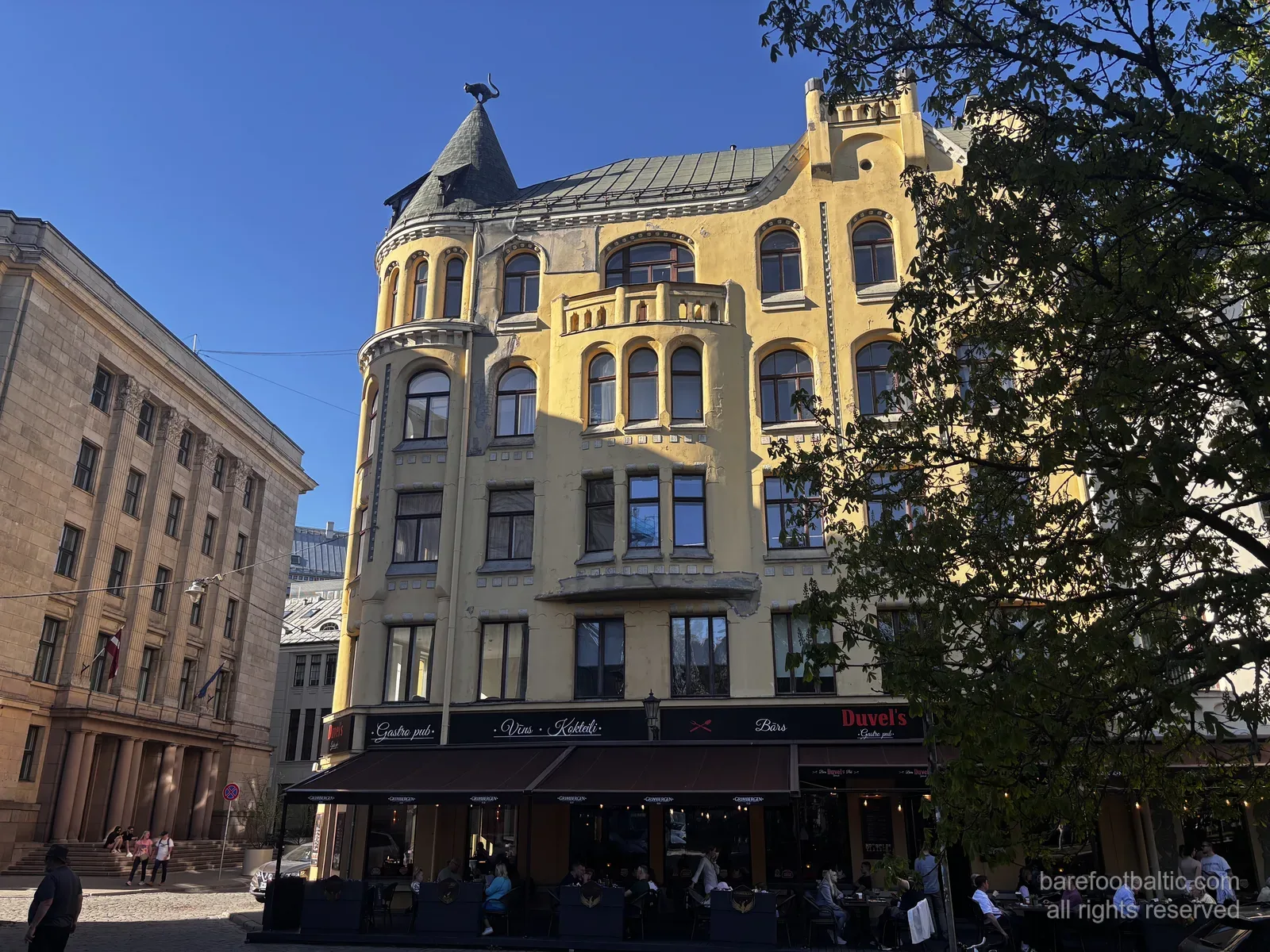
The Cat House (Kaķu nams), Riga: The Building, the Cats, and the Story
Two black bronze cats on a yellow Art Nouveau roof, and the merchant-and-the-Guild story Riga has been telling about them for over a century. What’s actually documented and what’s polished retelling.
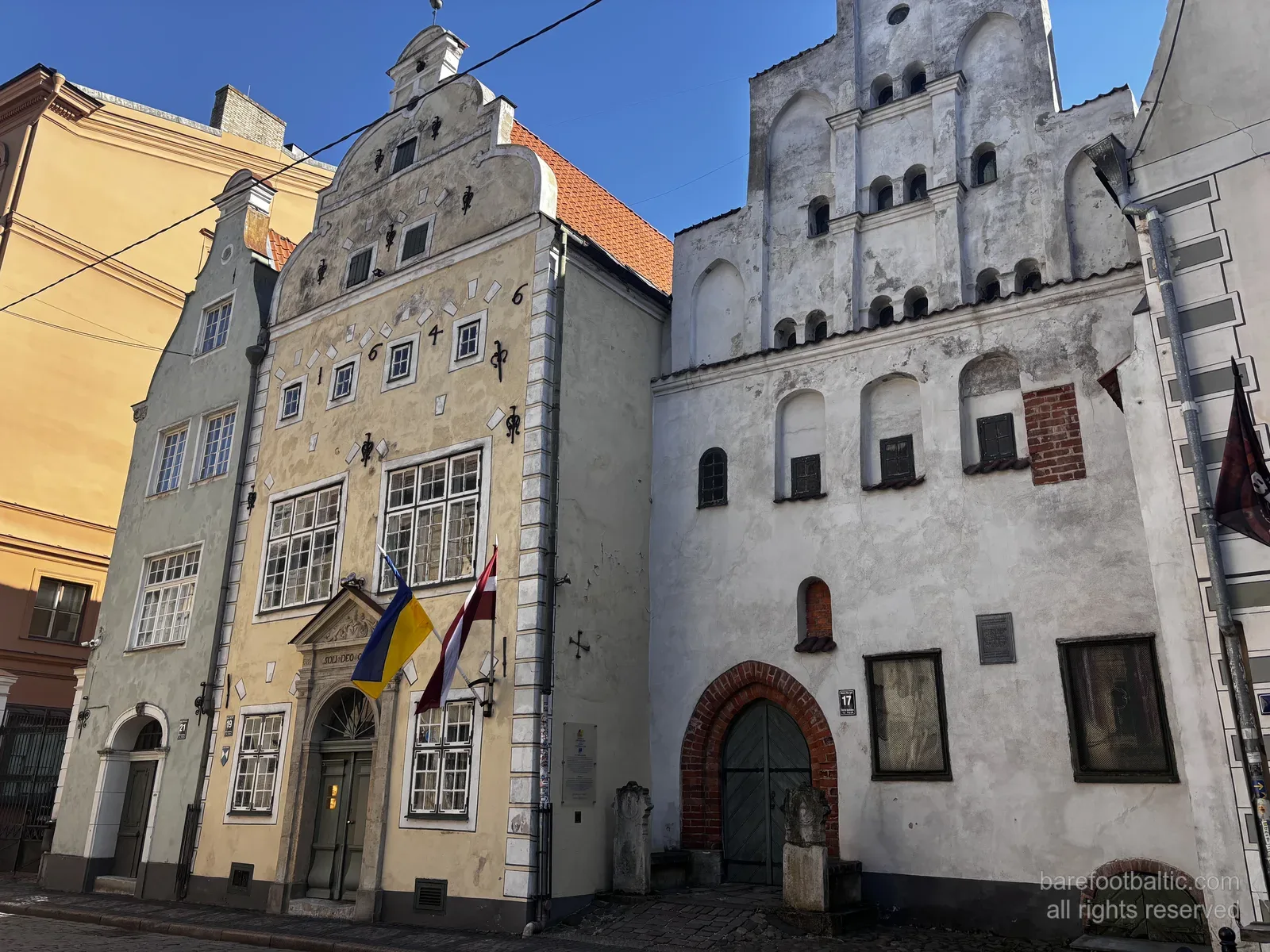
The Three Brothers (Trīs brāļi): Riga’s Oldest Houses
Three medieval-to-baroque houses on one short Old Town lane. Number 17 from around 1490, number 19 dated 1646, number 21 from the late 17th century. What you’re actually looking at, why each is different, and the right time of day to be there.
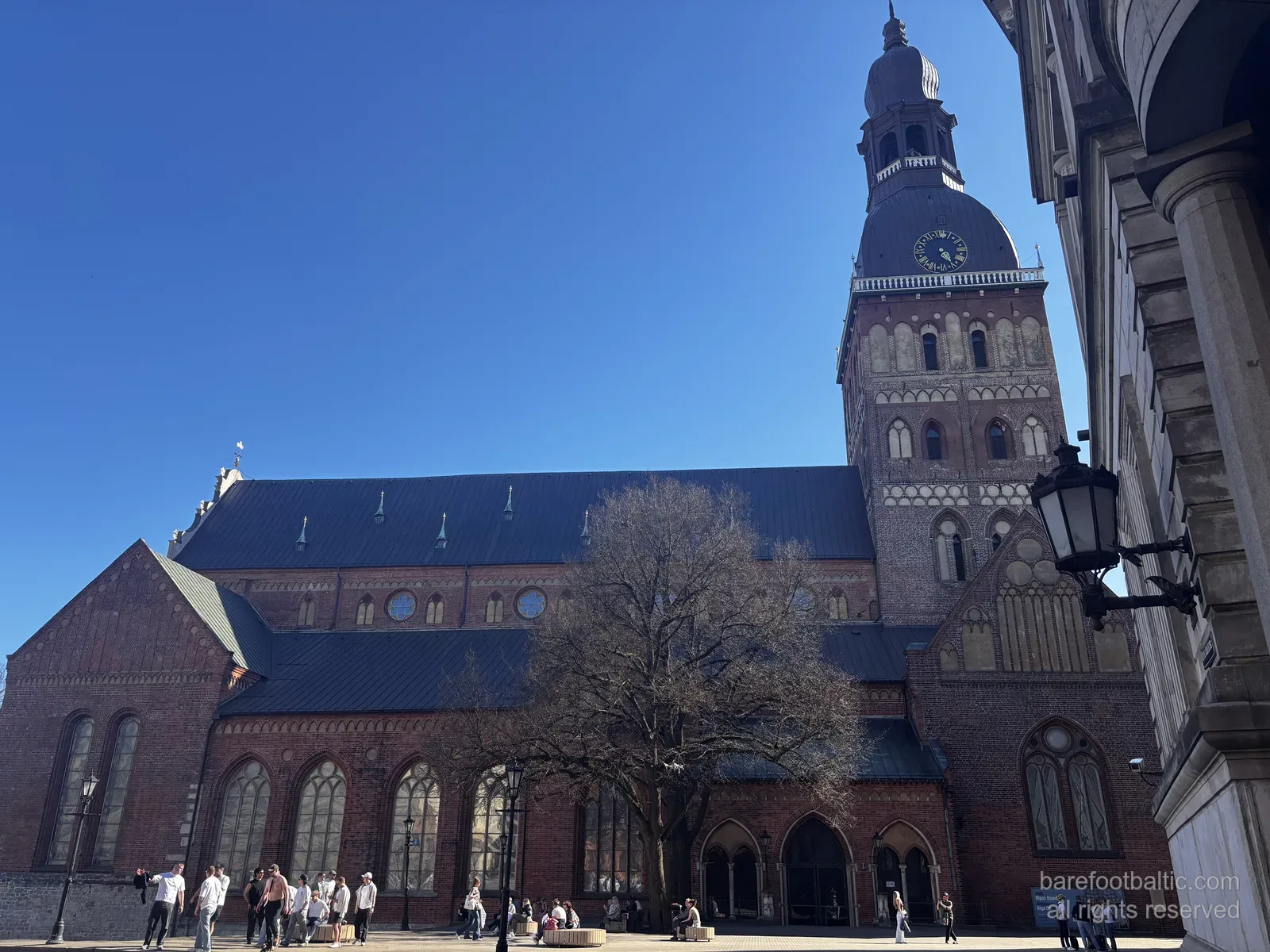
Riga Cathedral (Doma baznīca): A Local’s Guide to Latvia’s Oldest Church
Why there’s no dome on Riga Cathedral, the 6,718-pipe Walcker organ from 1884, the five architectural eras visible from the square, and what to actually do with your half-hour inside.
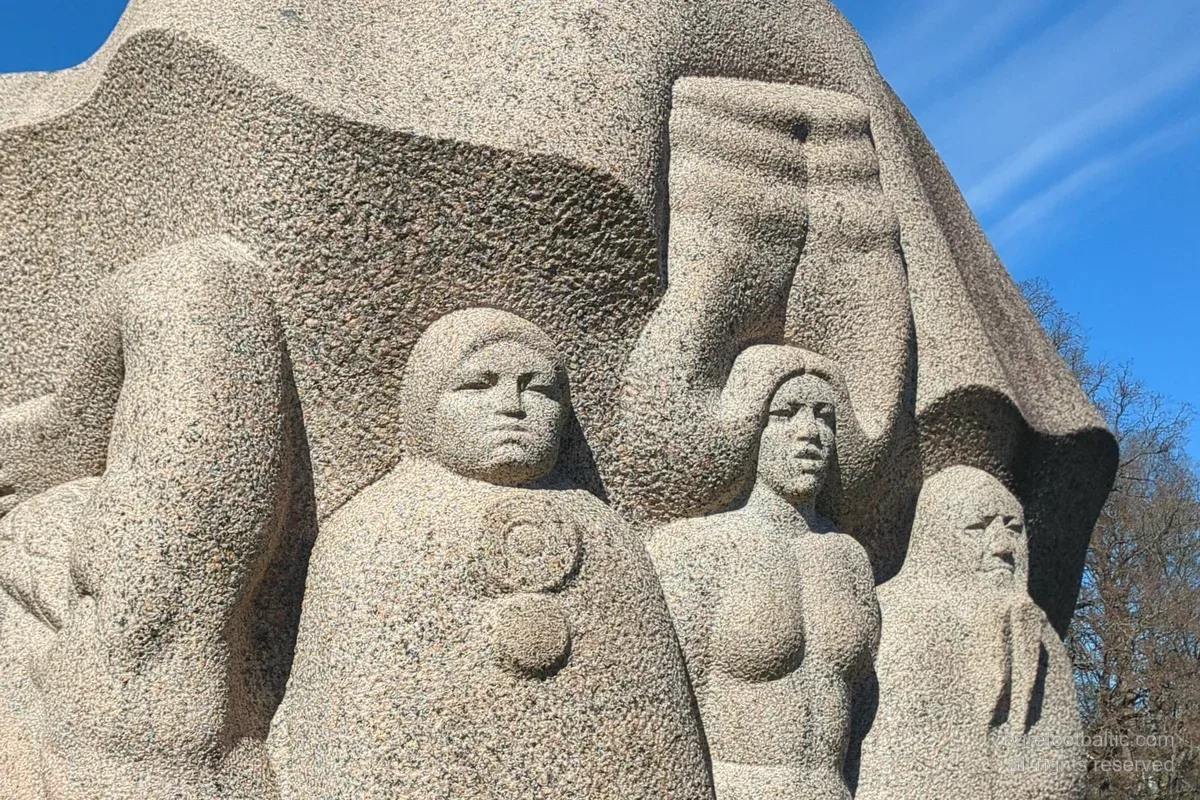
Dainu Kalns at Turaida: A Sculpture Garden Carved Under Soviet Rule
How Indulis Ranka and Anna Jurkāne carved a folk-song memorial in granite under Soviet occupation between 1980 and 1985, the 1988 night when the banned red-white-red flag was raised on this hill, and why the Hill of Dainas deserves more than the ten minutes most visitors give it.
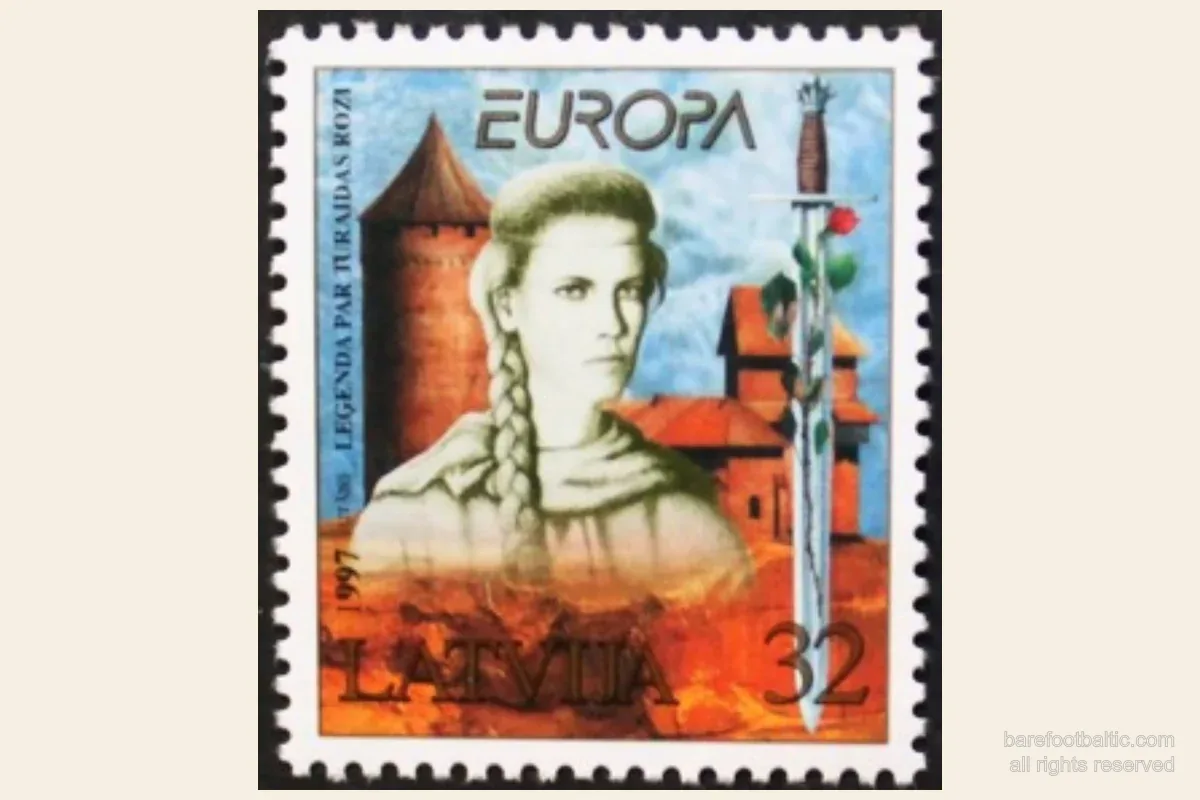
The Rose of Turaida: A Real 1620 Court Case Latvians Have Been Telling as a Legend for Four Centuries
Maija — the Rose of Turaida — was murdered in a sandstone cave on 6 August 1620. The story is one of the few medieval-feeling Latvian legends that turns out to be a real lawsuit, with a 1620 court protocol, a name on a stone, and a linden tree planted by the bridegroom that is still alive.
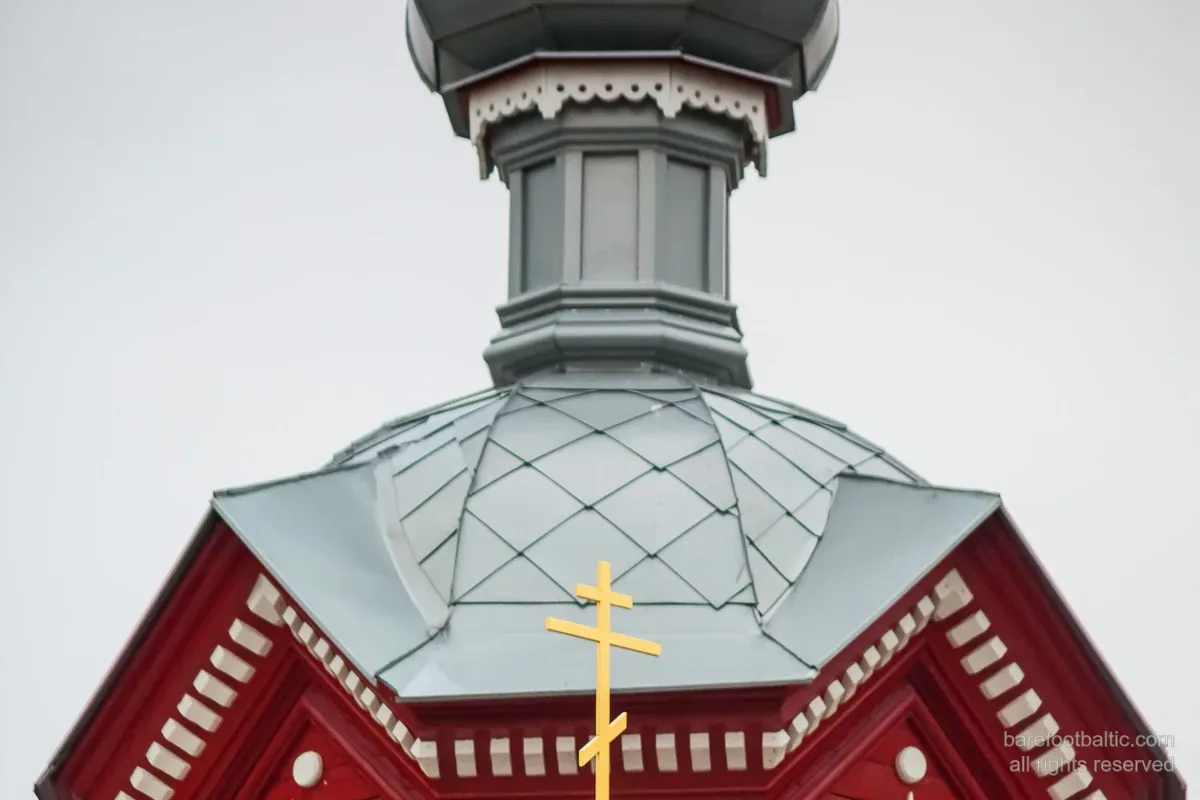
Gold Domes Over Riga: A Visitor’s Guide to Latvia’s Orthodox Churches
Four Orthodox churches in Riga and what you’ll find inside, visiting etiquette, the surprising 11th-century history of Orthodoxy in Latvia, the theology behind all the gold and blue, and the smaller wooden churches in Latgale most travellers never see.
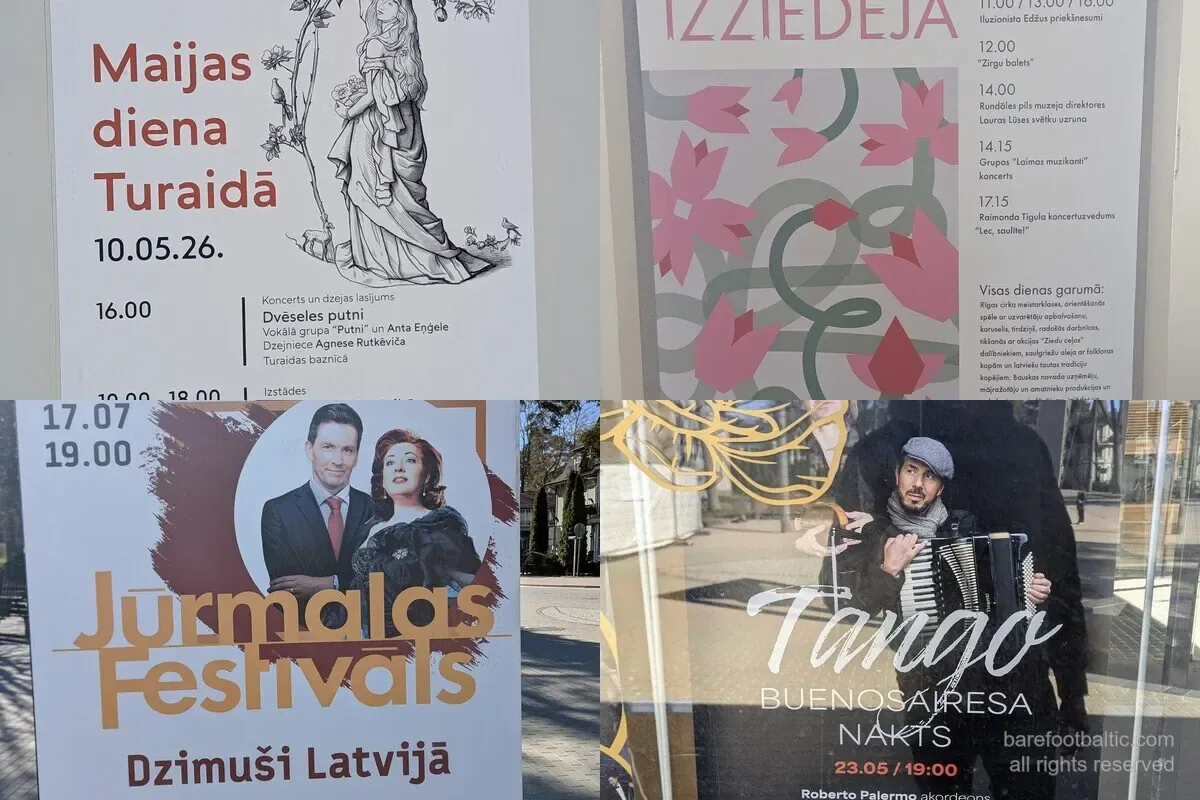
What's On in Latvia: A Local's Rolling List of Events We're Spotting Around Town
A rolling list of upcoming Latvian events spotted on posters around Sigulda, Jūrmala and Riga — concerts at Dzintari, midsummer in Turaida, garden festivals at Rundāle. Updated when we walk past something new.
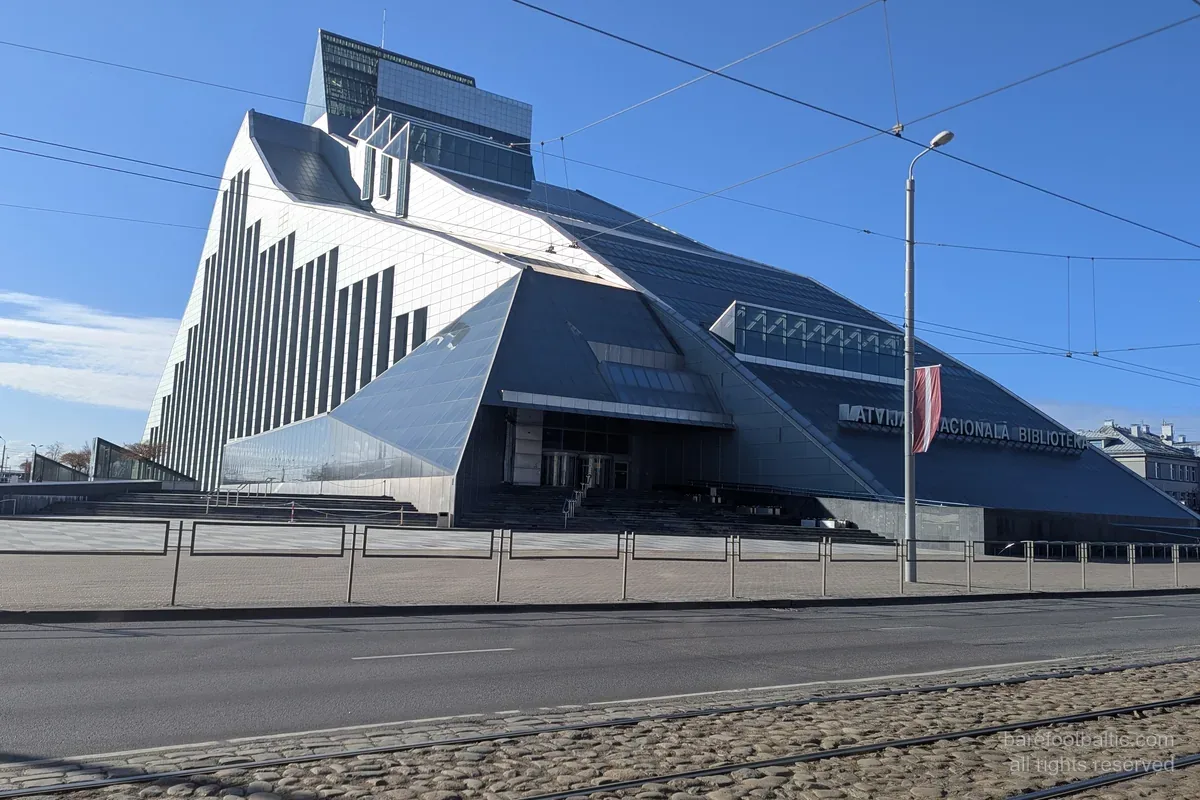
The Castle of Light: Why Riga’s National Library Belongs on Every Traveller’s List
The glass mountain, the sleeping princess, the Latvian-American architect who waited fifty years to come home, and the human chain of fourteen thousand people who passed books across the frozen Daugava in 2014. The best urban view in Riga, and the building that explains the country.
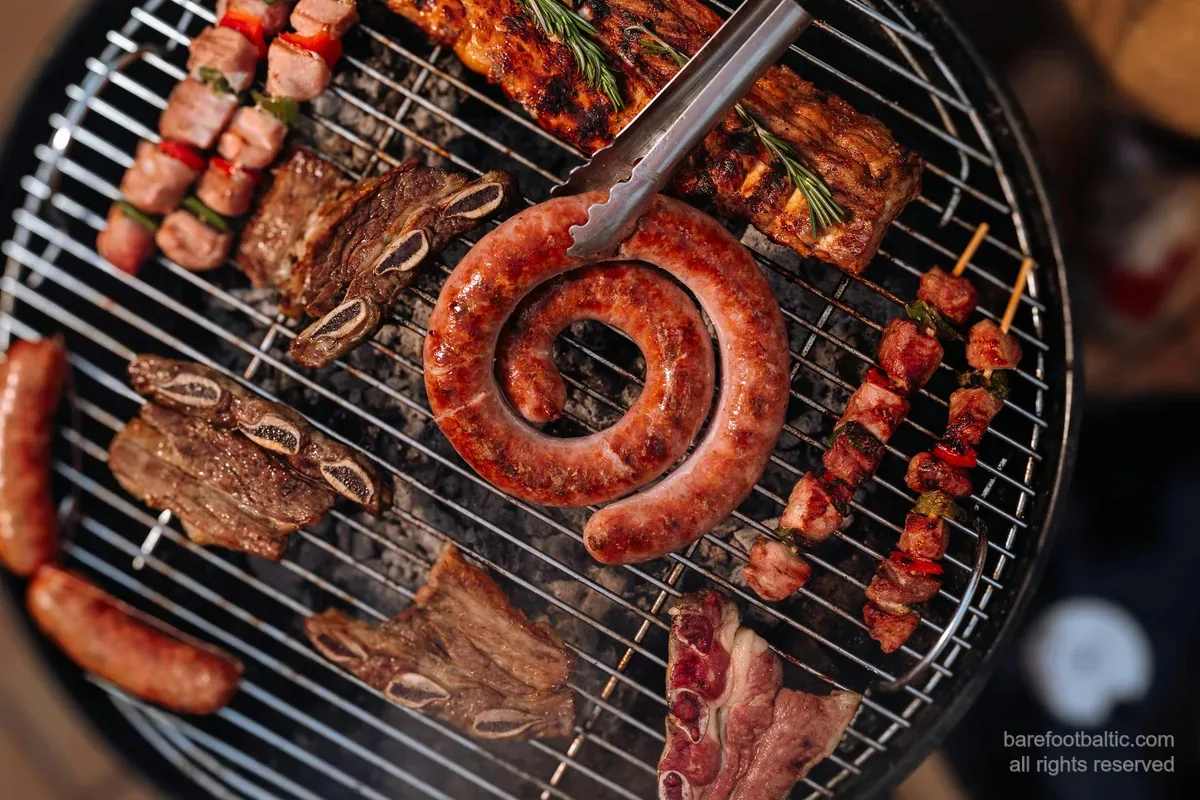
Why Latvians Eat Pork: A Forest, a Pig, and a Thousand Years of Bacon
The Latvian menu is pork all the way down, and there is a real reason for it. Medieval oak forests, the autumn acorn harvest, the cow that was always a milk machine and not a steak, the November pig-slaughter season — and the steak vending machine that just landed in the basement of Spice in 2026.
One Border, Three Religions: How Estonia, Latvia, and Lithuania Came to Believe Such Different Things
Catholic Lithuania, three-way-split Latvia, post-Christian Estonia. Why three small neighbouring countries ended up with such radically different religious lives — Northern Crusades, the Reformation, the Russian Empire, Soviet atheism, and one Lithuanian prince who delayed his baptism until 1387.
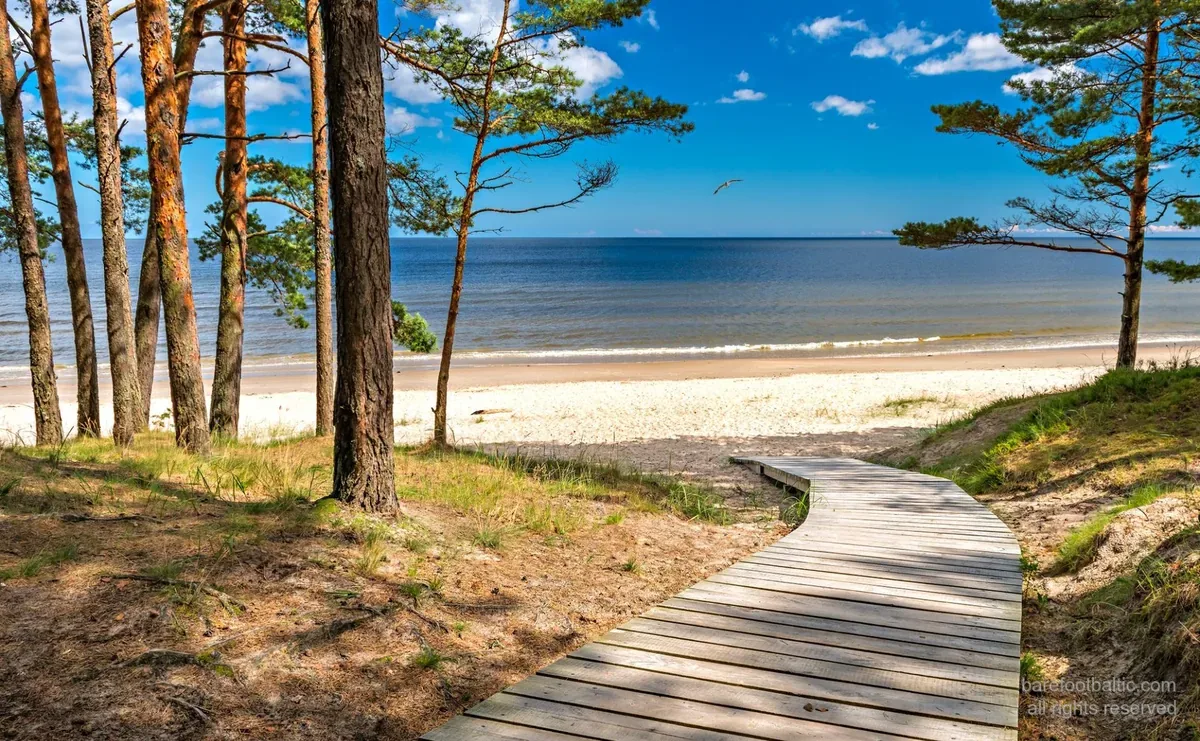
Jūrmala: The Seaside Town Latvians Have Been Going to for Two Hundred Years
33 km of white quartz sand, the shallowest swimmable Baltic Sea you can find, wooden Art Nouveau villas under the pines, sulphur-water spas dating to 1838, and a beach where locals still play football at sunset. A Latvian’s guide to Jūrmala — by train, by car, and on foot.
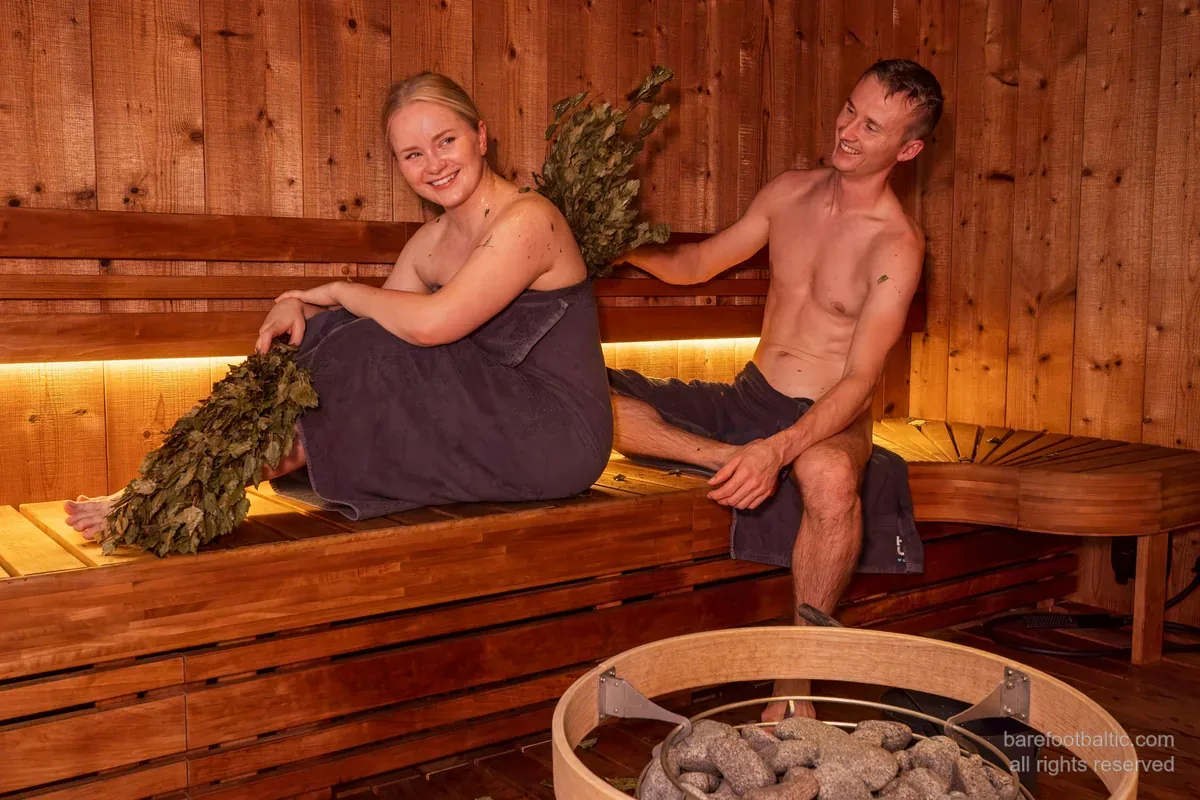
Pirts, Suitsusaun, Savusauna, Badstu: A Latvian’s Field Guide to Baltic and Nordic Sauna Cultures
Why the Latvian pirts is a four-hour ritual not a fifteen-minute timer, and how it compares to the Estonian smoke sauna, the Finnish savusauna, the Norwegian floating badstu, the Lithuanian pirtis, and the box at your local gym. Plus the science of why our ponds are dark.
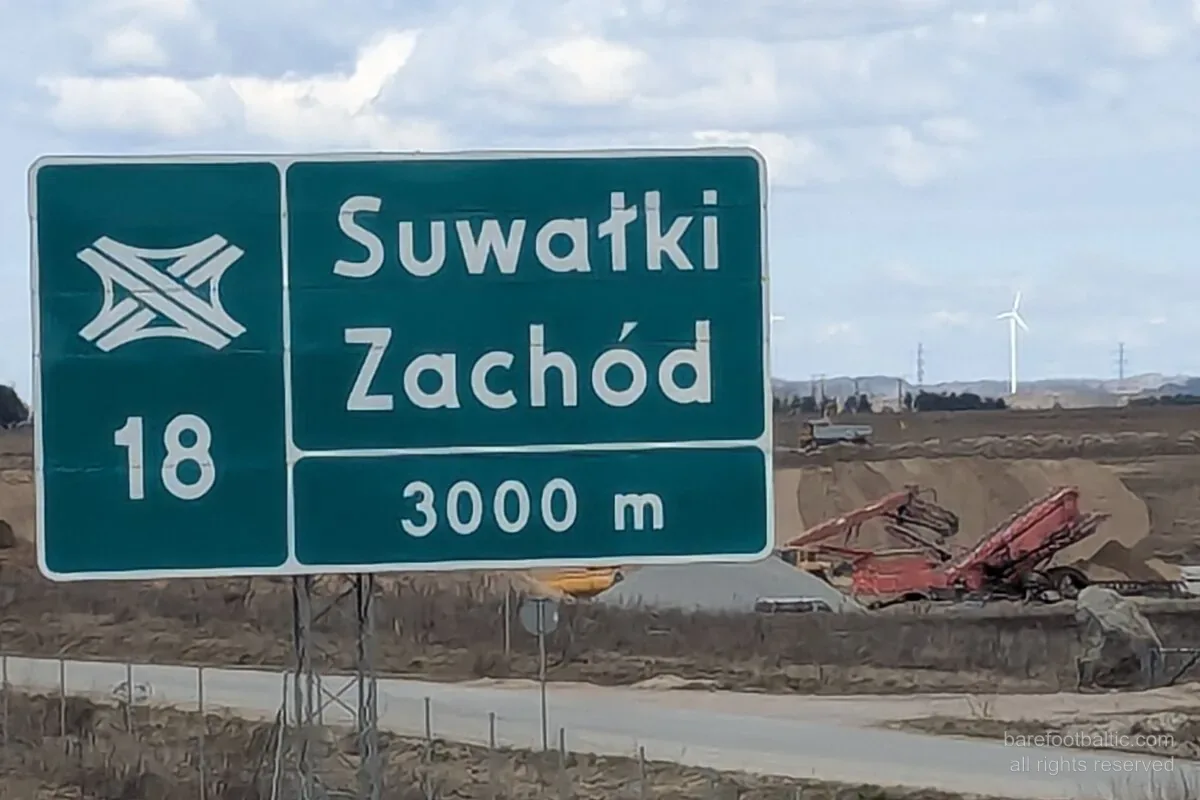
The Suwałki Gap: A Drive Through the Choke Point Between Us and the Rest of Europe
The 65-kilometre strip of Polish-Lithuanian border that connects the three Baltic states to the rest of NATO. A Latvian’s account of driving home from Germany through it, where it came from, and what it feels like to live with that geography on the news every evening.
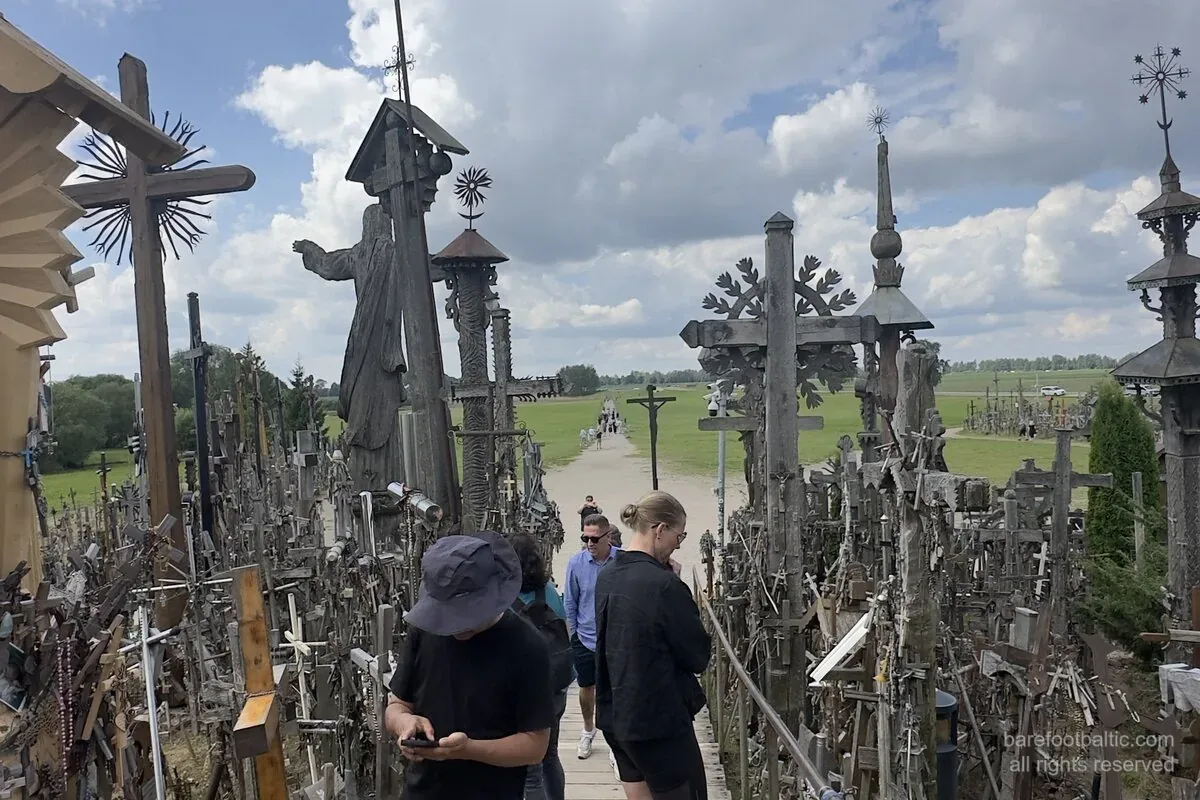
The Hill of Crosses: A Quiet Lithuanian Hill That Outlasted an Empire
Two hours south of Riga, somewhere between 100,000 and 200,000 crosses stand against the wind on a small Lithuanian hill that the Soviets bulldozed three times and could never make stay flat. A Latvian’s guide to what it is and how to fold it into a day from Riga via Rundāle Palace.
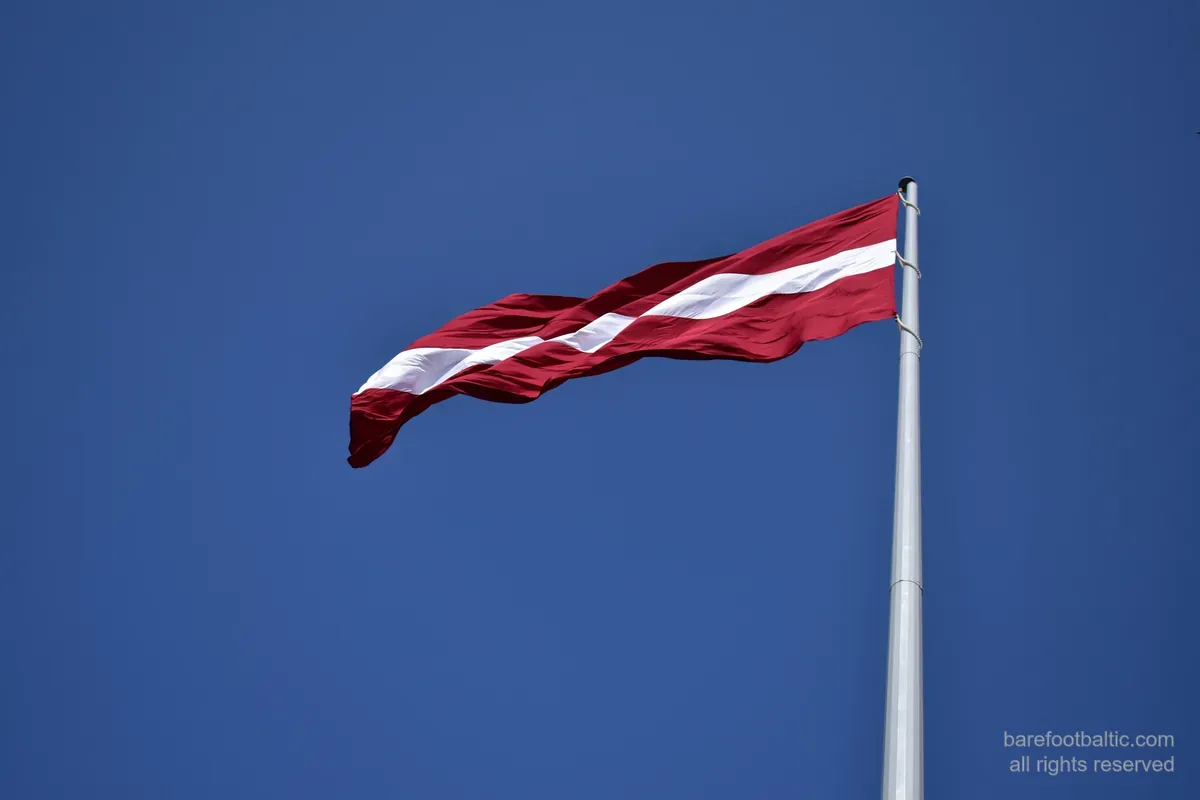
A Brief History of Latvia, Told by the People Who Lived It
Eight hundred years through eight first-person voices — the pagan on the Daugava in 1200, the German-master’s peasant in 1500, the child handed a Latvian Bible by the Swedes, the conscript bound for the Tsar’s army, the deportee on the train east in 1941, the Soviet citizen queueing for sausage, the EU citizen today. None real, all true.
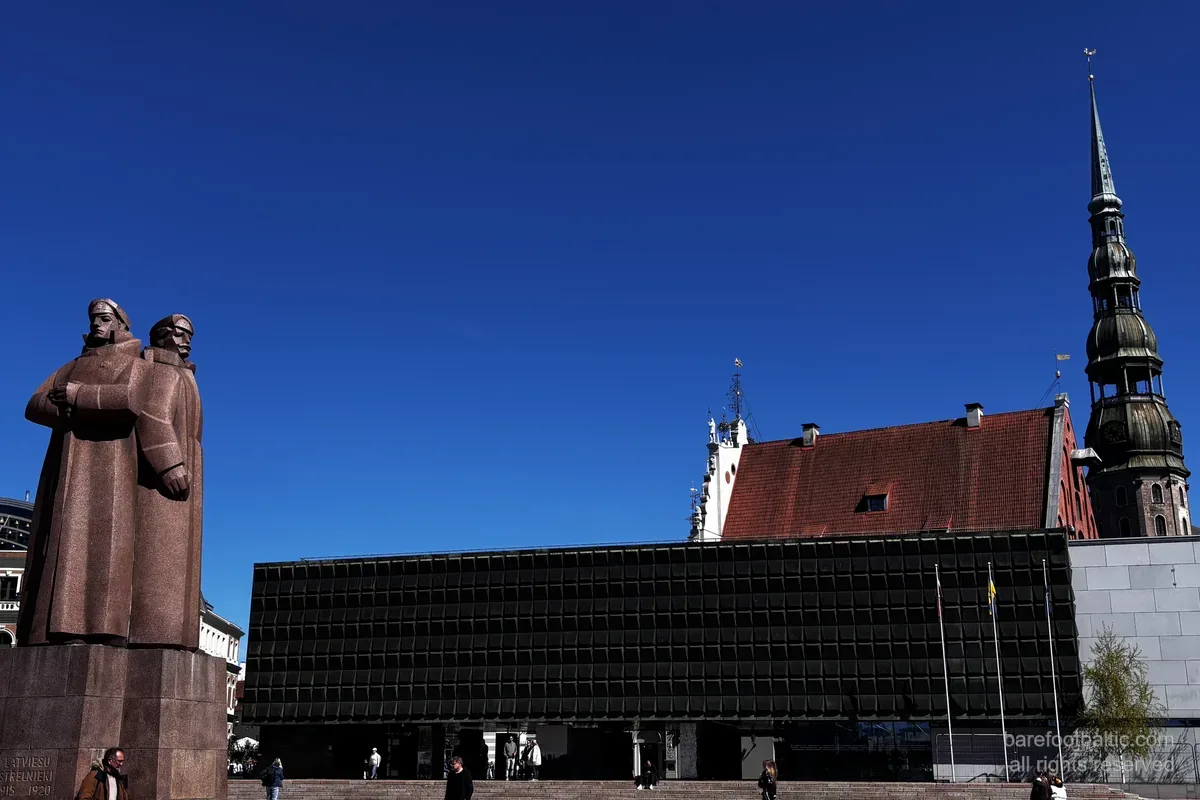
Why the Museum of the Occupation of Latvia Belongs at the Top of Your Riga List
Eight hundred years of Latvian history under someone else’s flag, the half-century from 1940 to 1991 that shaped today’s Latvia, and the second museum site in the former KGB headquarters at Brīvības iela 61 — a specific room with a specific door.
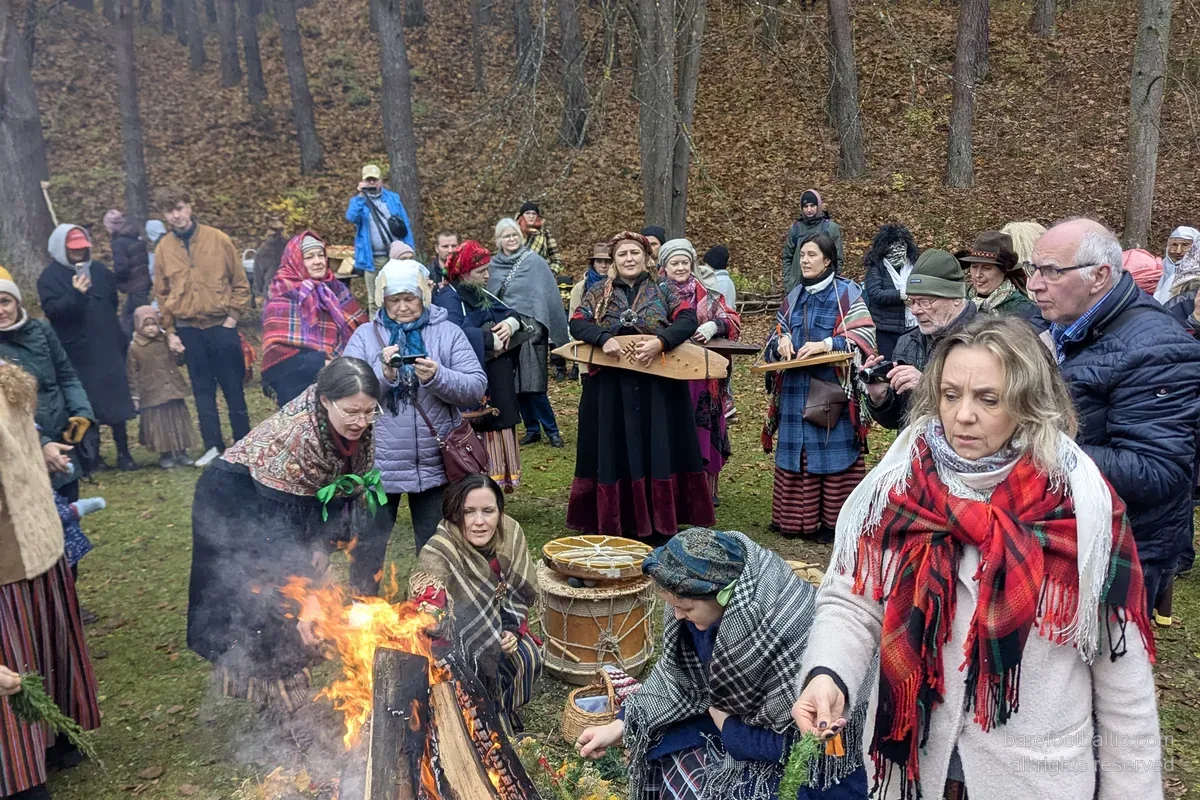
A Day at Latvia’s Open-Air Museum: Why Locals Send Visitors to Brīvdabas
Latvia in miniature on the shore of Lake Jugla — 118 historic farmsteads moved here piece by piece since 1924, costumed interpreters tending fires, folk festivals worth planning a trip around, and a tram-and-trolleybus journey out that’s half the day’s pleasure.
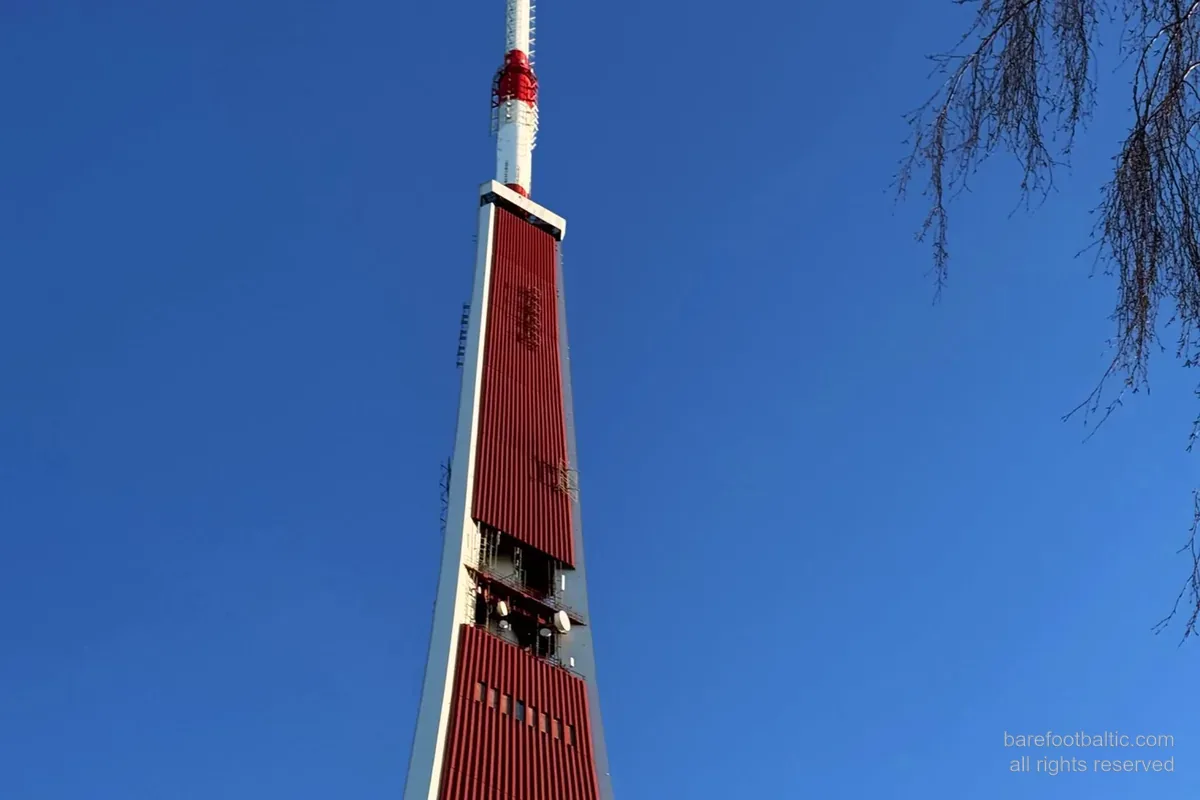
Riga’s TV Tower: The Tallest Free-Standing Structure in the EU
The 368.5-metre tripod tower that tops the Eiffel and the Berlin Fernsehturm, the Soviet engineering trick of building an antenna from the top down, and the night in January 1991 when ordinary Latvians stood in the snow between it and the OMON.
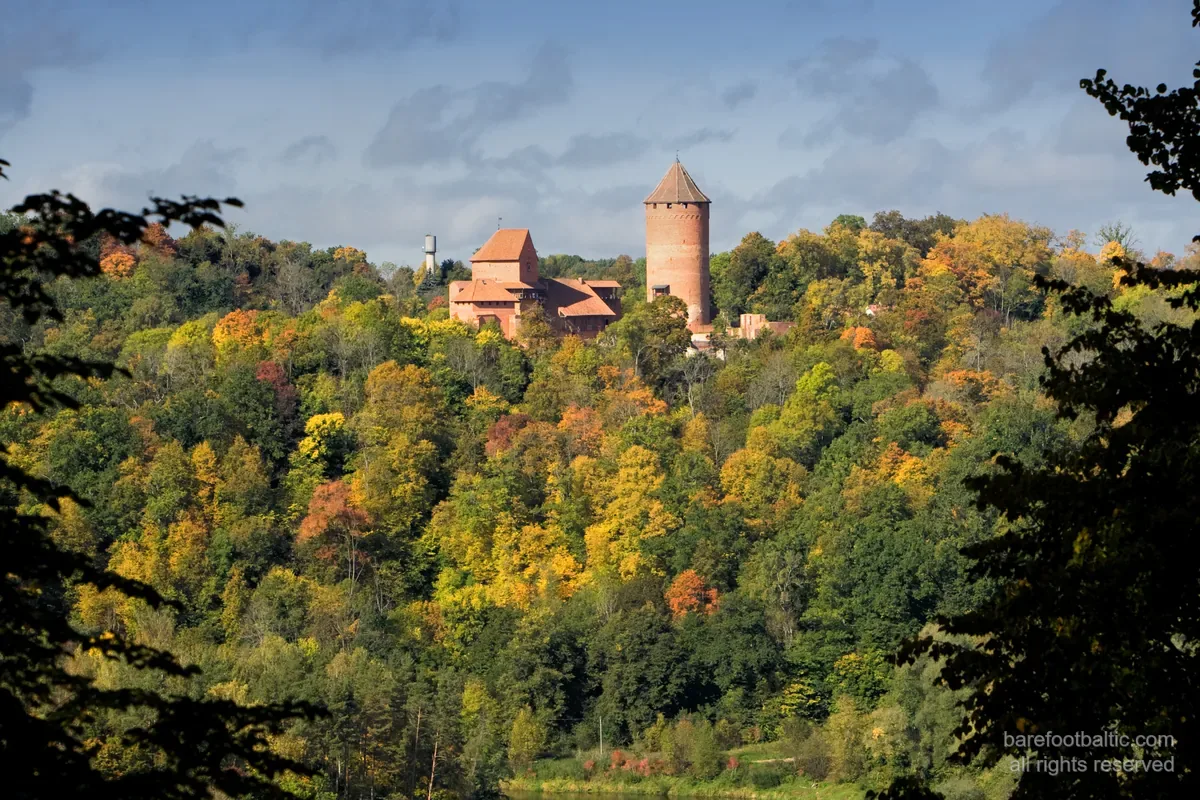
Can You Do Sigulda AND Cēsis in One Day?
Yes, but not the way most guides describe it. The route, the timing, what to skip, and why we do it in reverse order to everyone else.
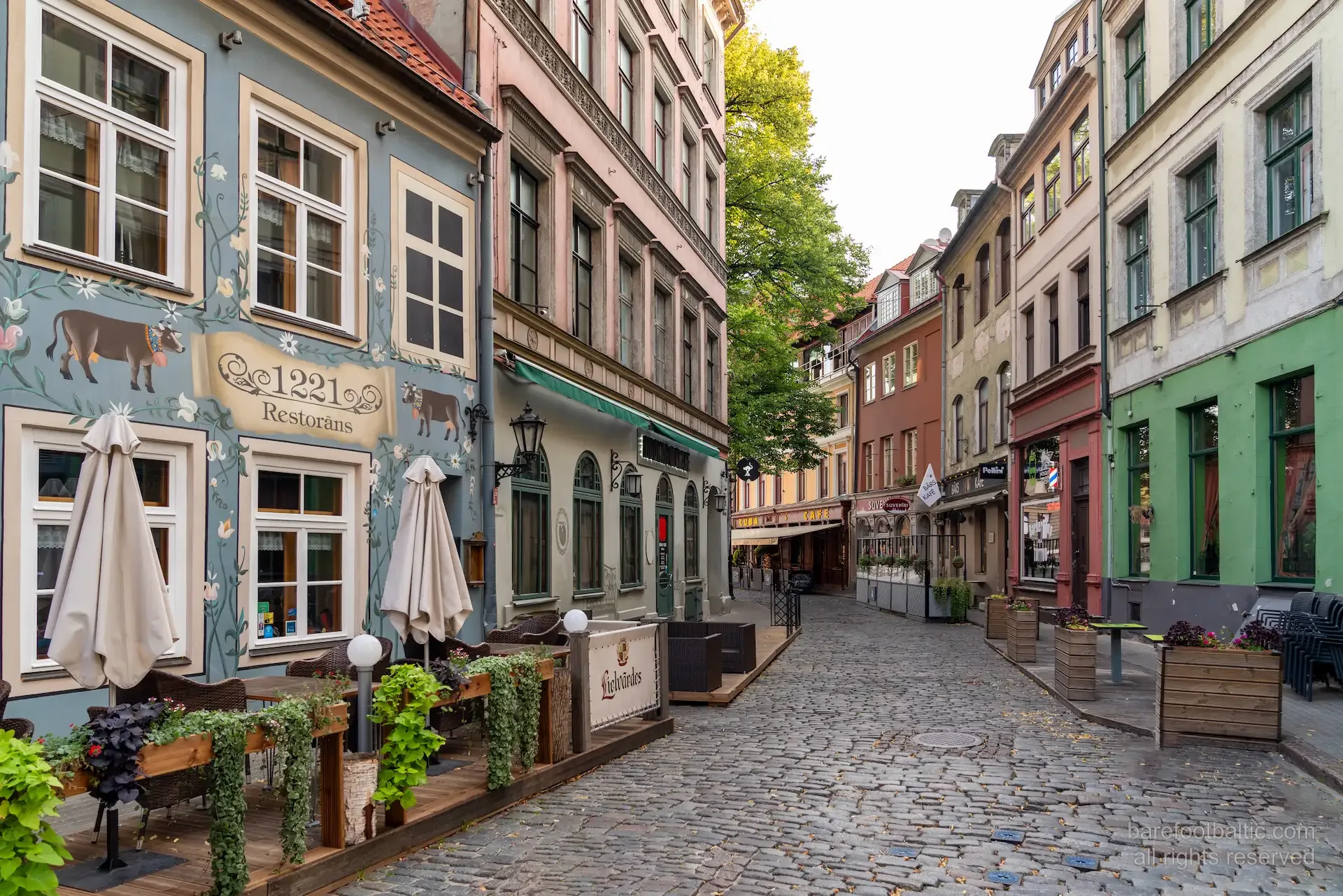
Riga vs Tallinn vs Vilnius, a Comparison
I live in Riga and run tours here, so take the Riga verdict with a pinch of salt. But I’ve spent real time in Tallinn and Vilnius, and I’ll tell you when they genuinely do something better.
Riga Old Town: A Local’s Guide
The deep guide to Vecrīga: what to see, what to skip, three walking routes, where to actually eat, the seasons, the safety, and the practical answers most travellers want before they arrive. Twenty-five FAQs at the end.
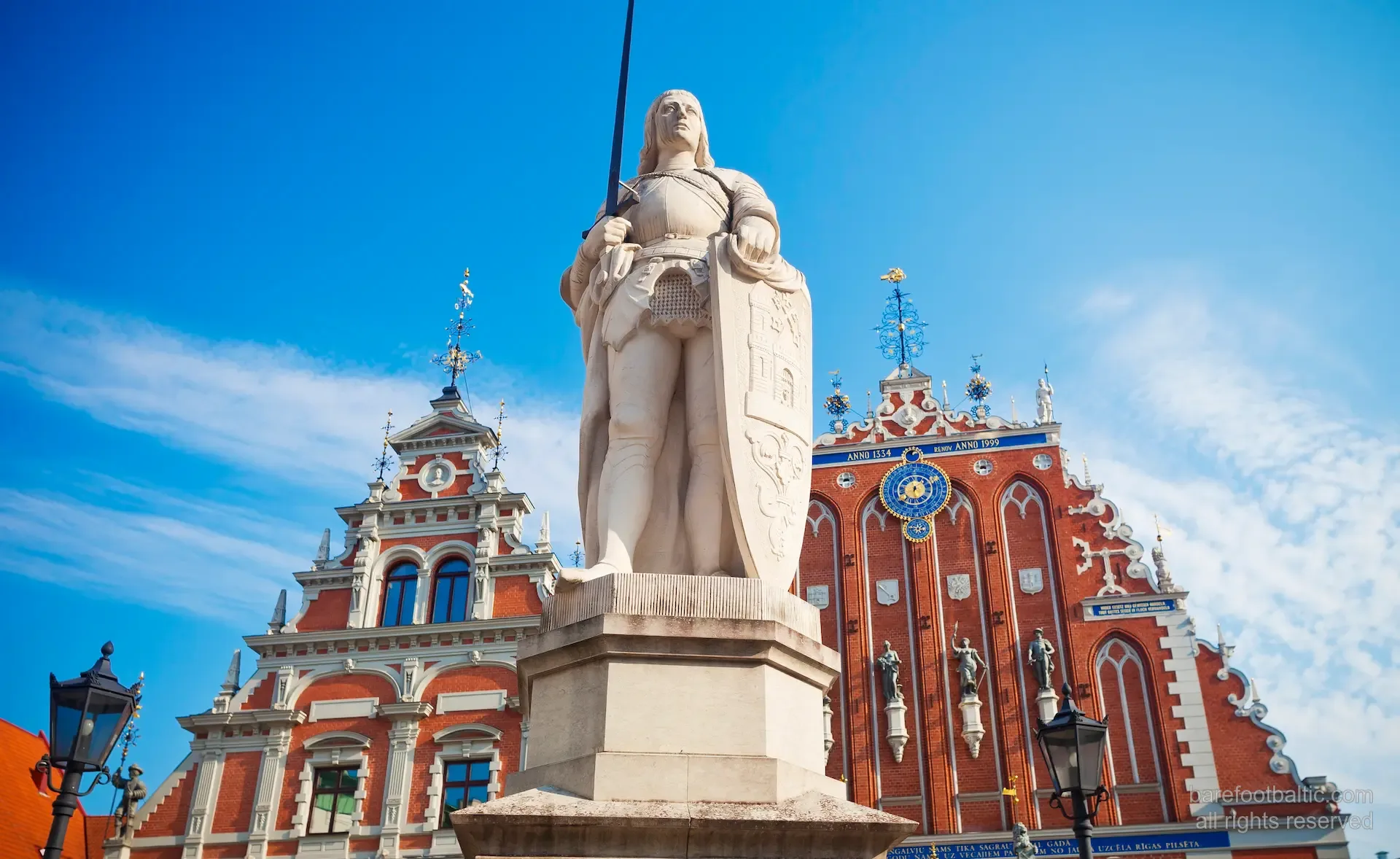
Riga in Winter, a Take
Christmas markets, snow, and the quiet months most visitors miss. Notes on what’s worth the cold, what isn’t, and why I think January and February are the best-value weeks of the year.
Planning Your First 48 Hours in Riga
A local itinerary for a first 48 hours: one day in the city, one day out of it. Plus the practical answers (safety, money, transport, language) most travellers want before they arrive.
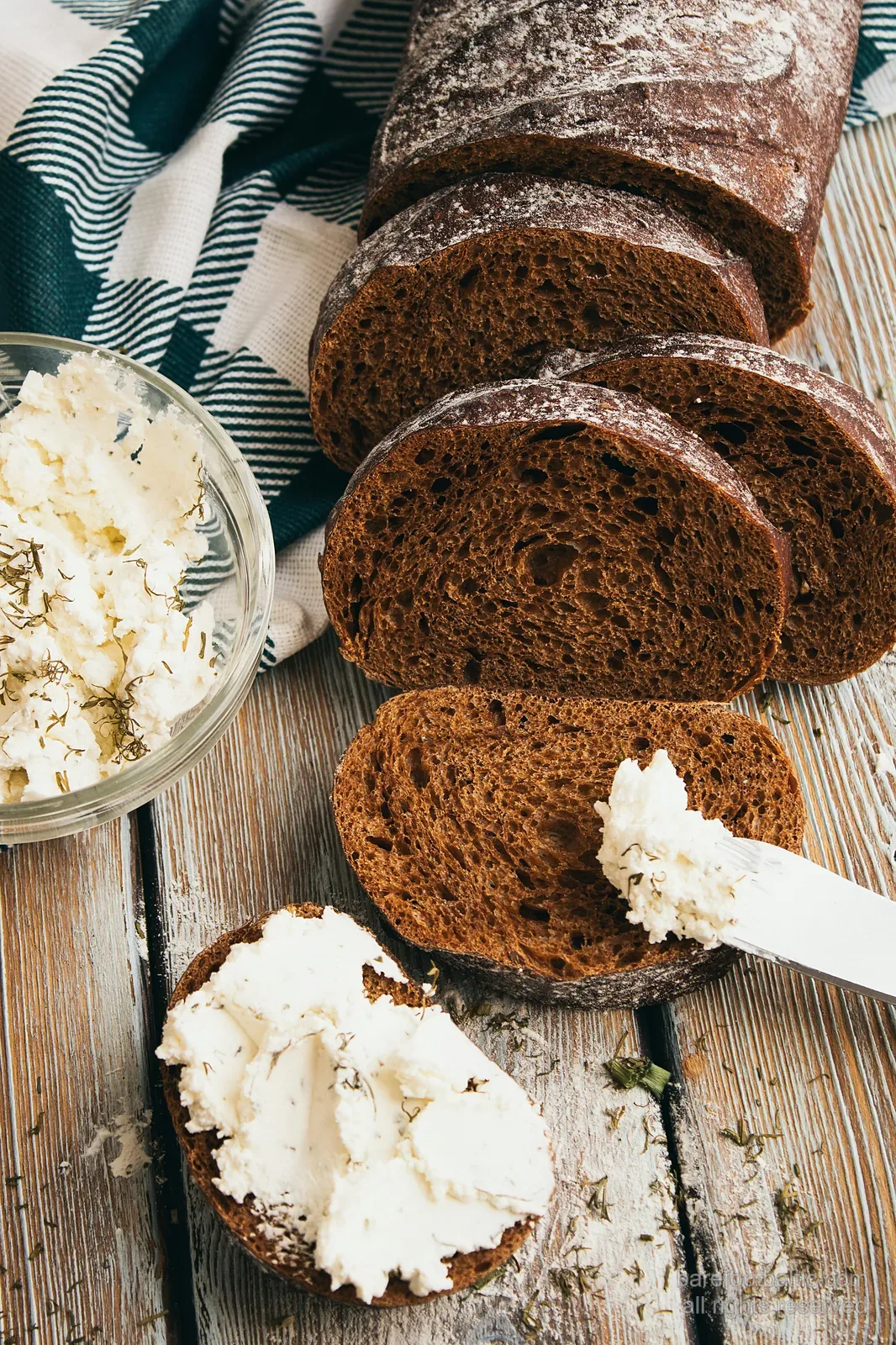
Latvian Food: A Guide
The deep guide to what to actually eat in Latvia: rye bread, cottage cheese, smoked everything, kefir we’ve been drinking for generations, the pink summer soup, pickle juice, and where to eat in Riga. Twenty FAQs at the end.
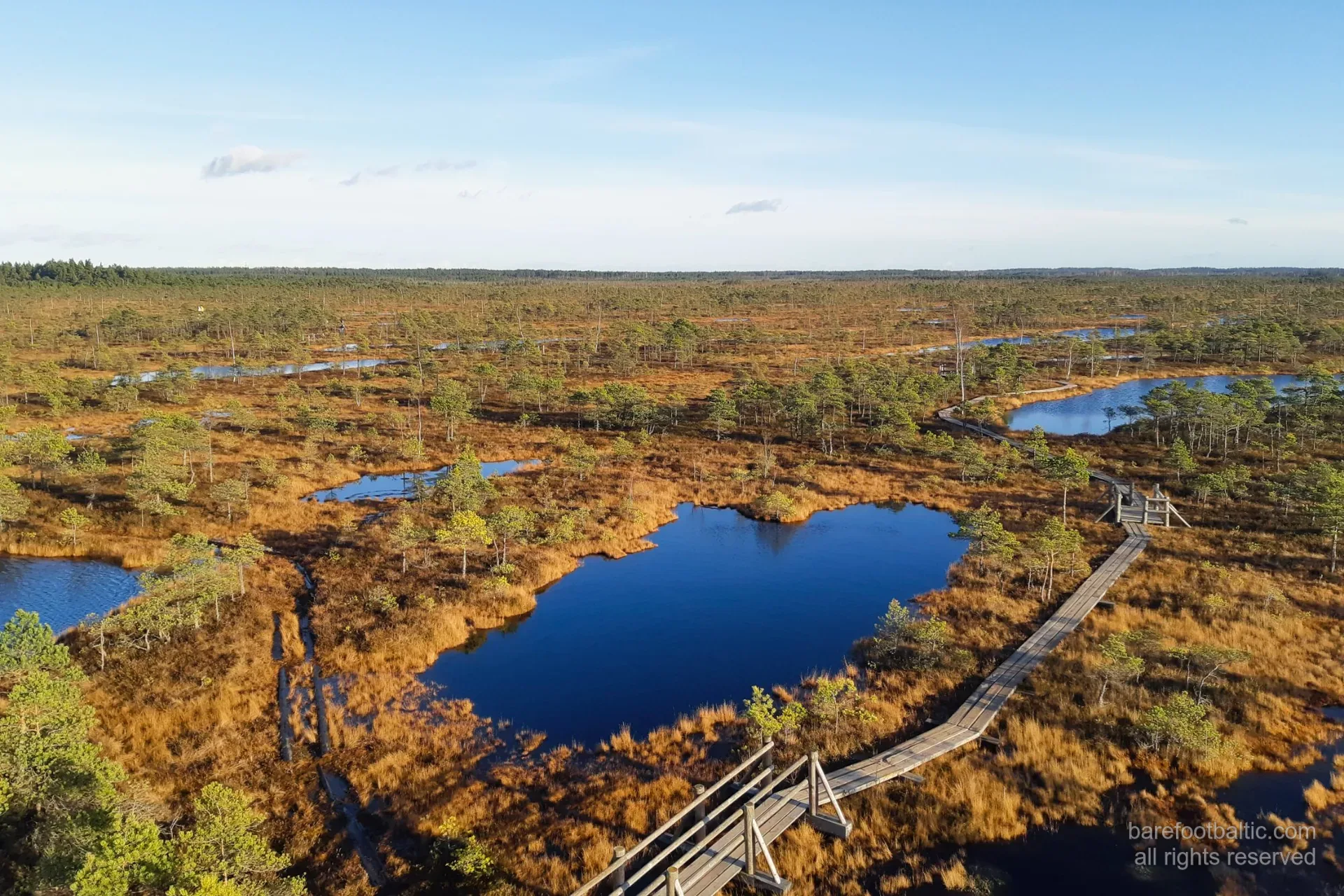
Ķemeri Bog in Autumn
The longest piece on the site, on the single best month to see Ķemeri, what the bog looks like in October, where to watch birds from, what to wear, and the carnivorous plants you probably walked past without noticing.
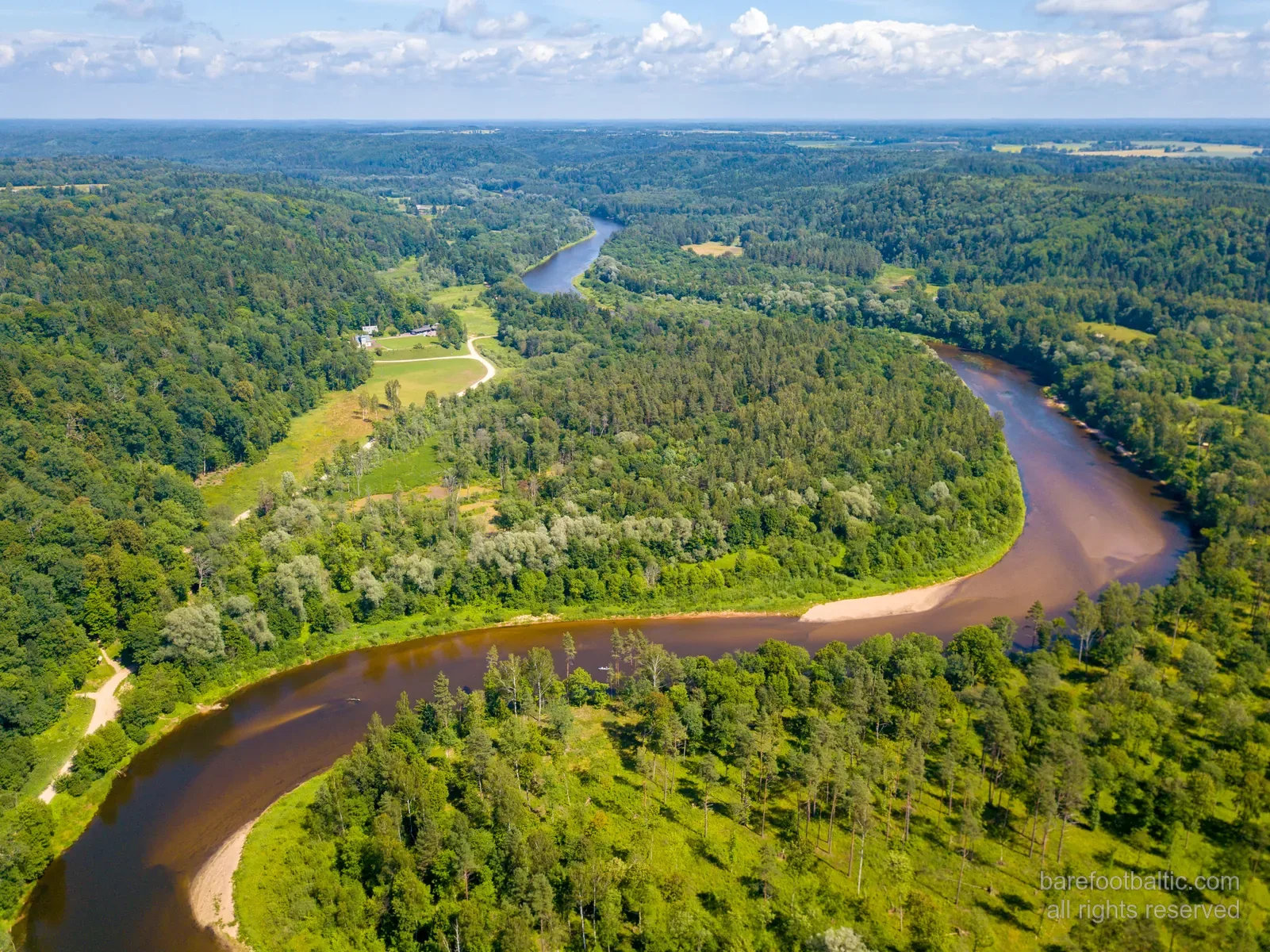
Is Sigulda Worth Visiting?
People call it the “Switzerland of Latvia” and then look confused when it turns out to be a forest with three castles and a cable car. Here’s what Sigulda actually is, what to do with a full day there, and how it compares to Cēsis.
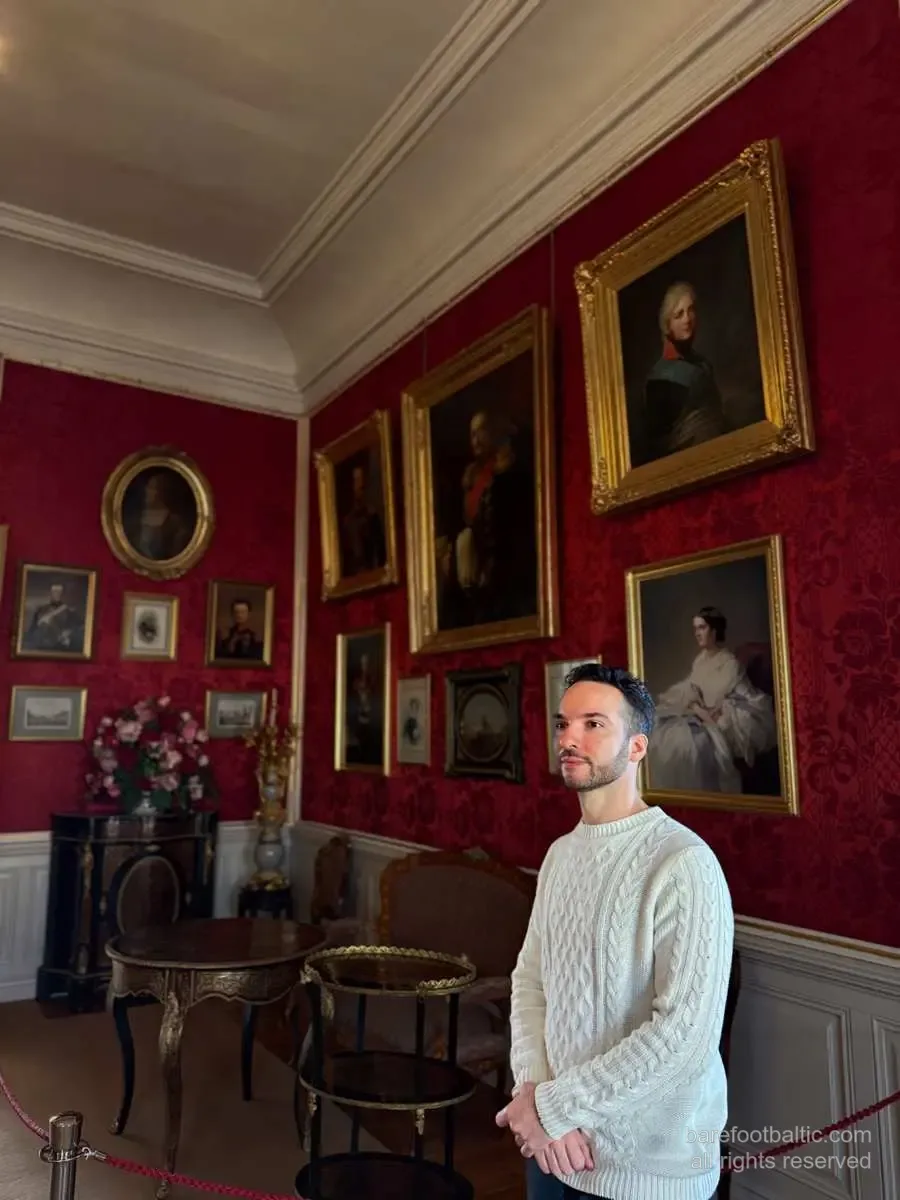
Is Rundāle Palace Worth Visiting?
The Versailles-of-the-Baltics comparison is lazy and the palace deserves better. A Rastrelli baroque set-piece, rose gardens, and the medieval Bauska Castle nearby. Here’s when it’s worth a full day and when it isn’t.
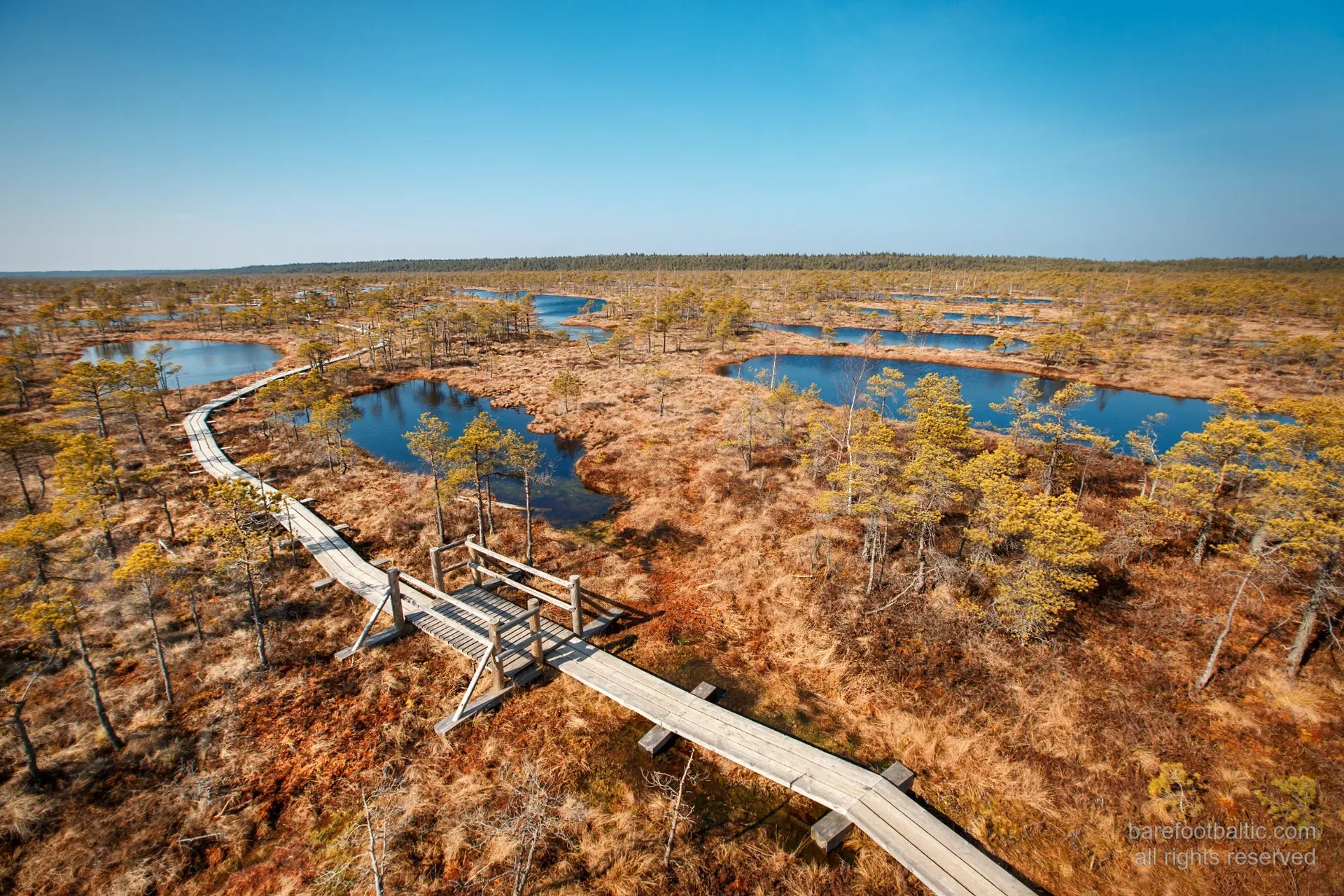
Is Ķemeri Bog Worth It?
Yes, and here’s why, with the caveats. A licensed Latvian guide on what the Great Ķemeri Bog actually is, why it’s become the most photographed wetland in the Baltics, how to get there, when to go, and who should skip it.
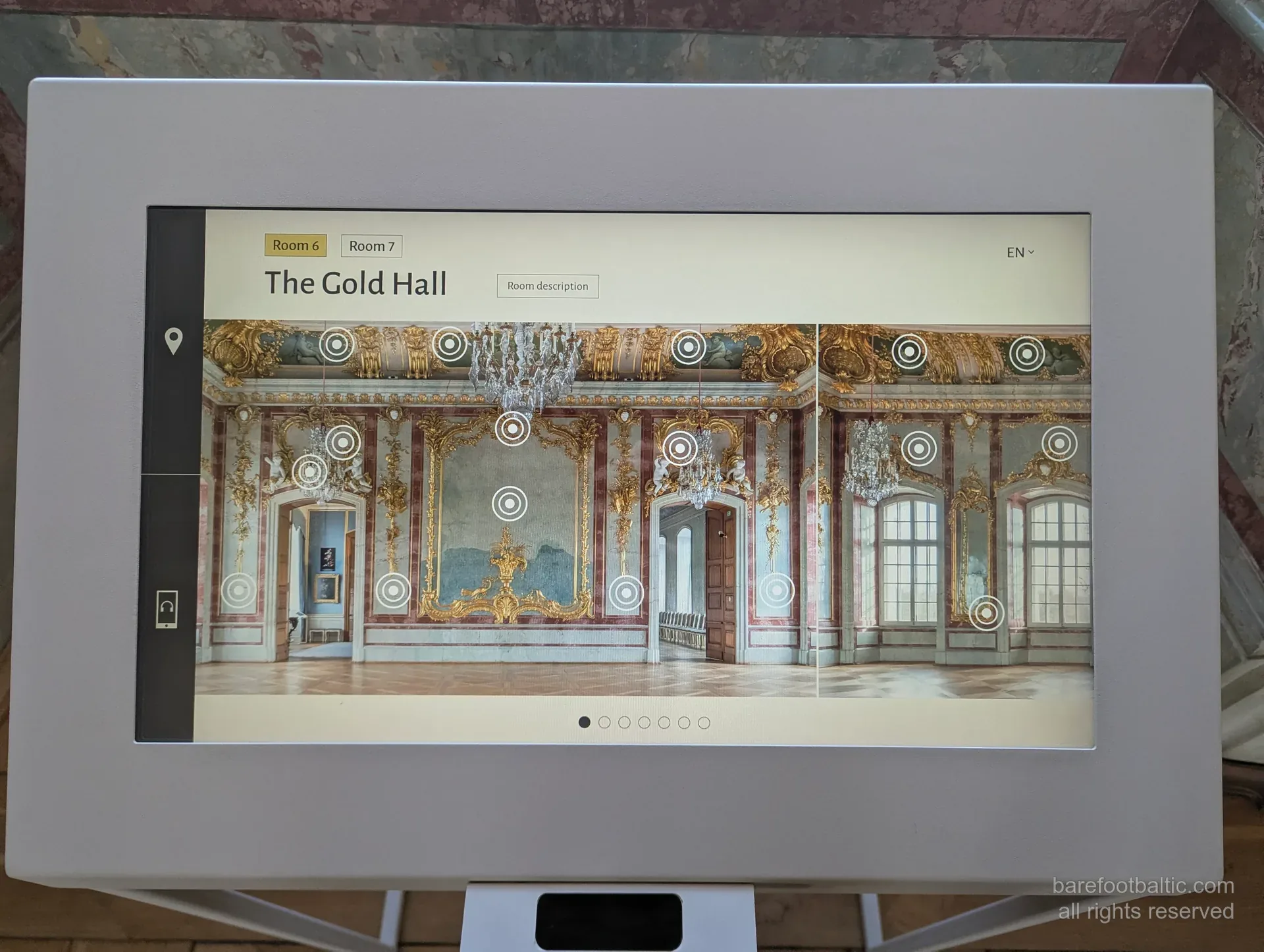
Inside Rundāle Palace: A Room-by-Room Visual Guide
Every room of Latvia's grandest baroque palace, illustrated with 286 original photographs taken on a real visitor day. Gold Hall, White Hall, Duke's enfilade, Duchess's wing, hidden cabinets — and what to actually look at.
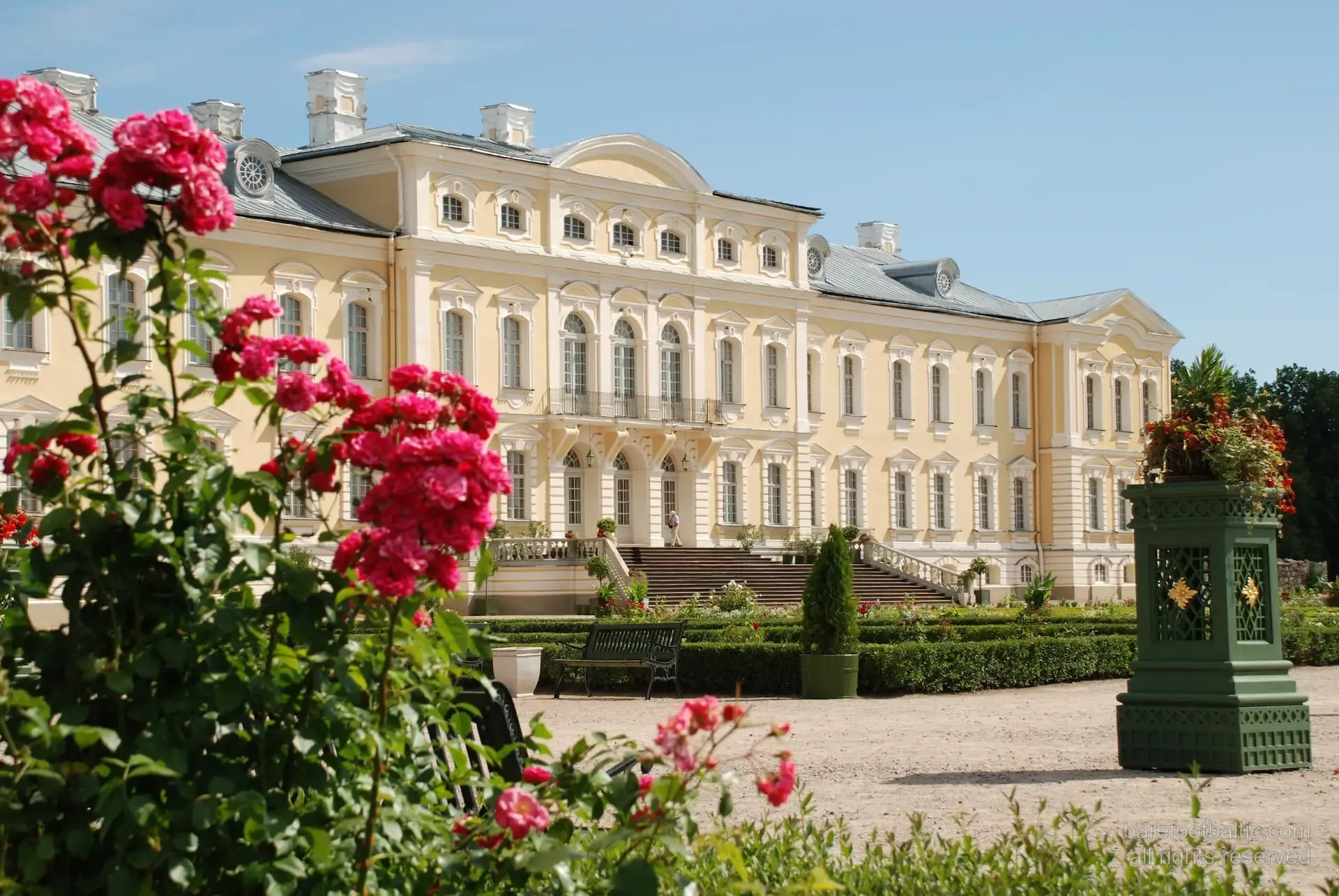
Day Trips from Riga, an Answer
The three day trips I’d send any traveller on without hesitation, the ones I’d skip, and how to pick if you only have one day. Starts with the short answer, ends with who each one is wrong for.
Let’s Talk
I’d Love to Hear from You
Wherever you are in planning your visit to Latvia, the easiest way to book is to reach out to me directly. A WhatsApp message, a phone call, or an email, whatever suits you. I’ll get back to you quickly and we’ll find the perfect day for your excursion. No forms, no automated replies, just me.

You can also find me on
I understand some travellers prefer booking through a platform they already trust, and that’s perfectly fine. You’re welcome to book through GetYourGuide or Viator too. Just know that my direct price is always the best one.