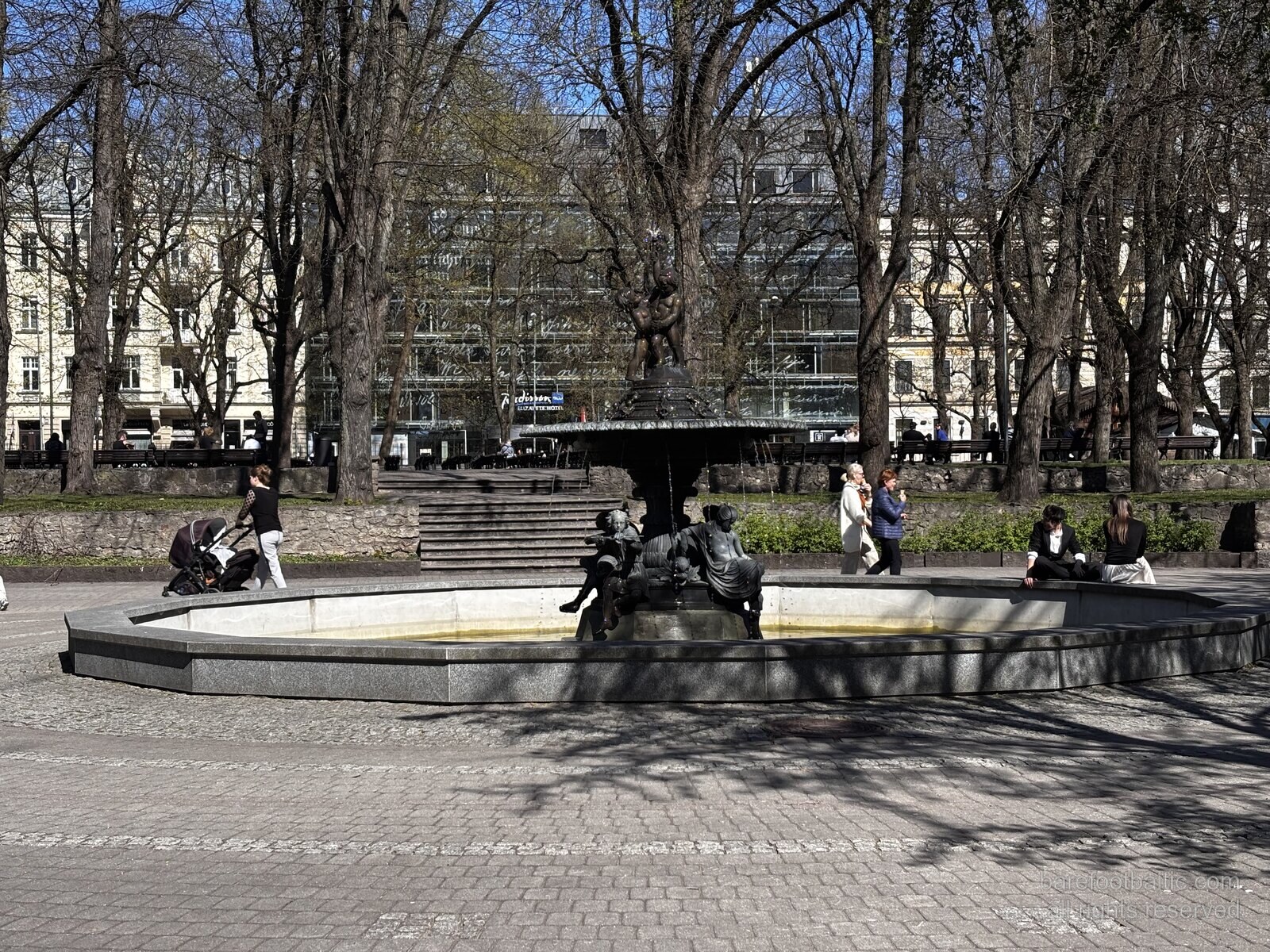
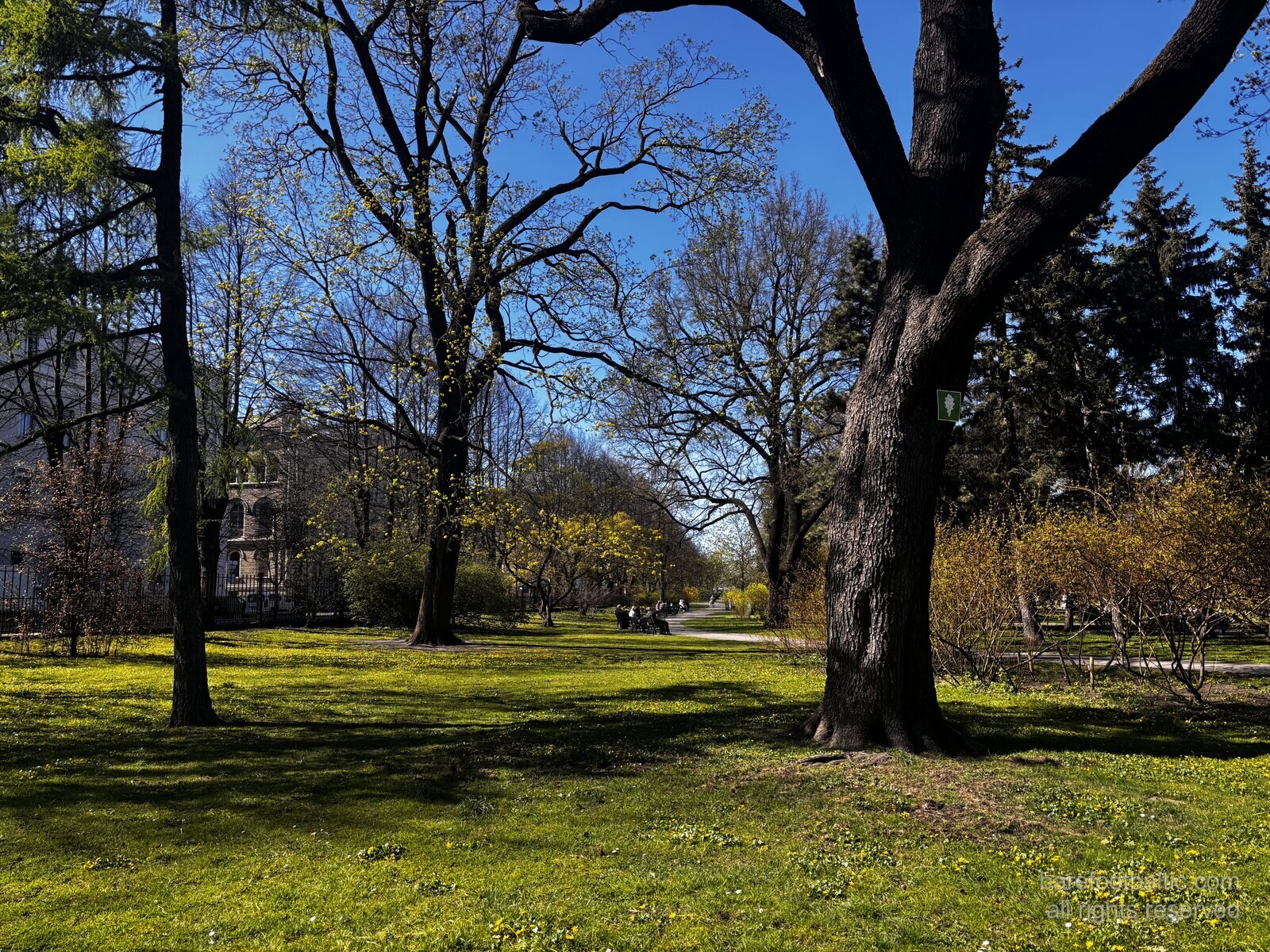
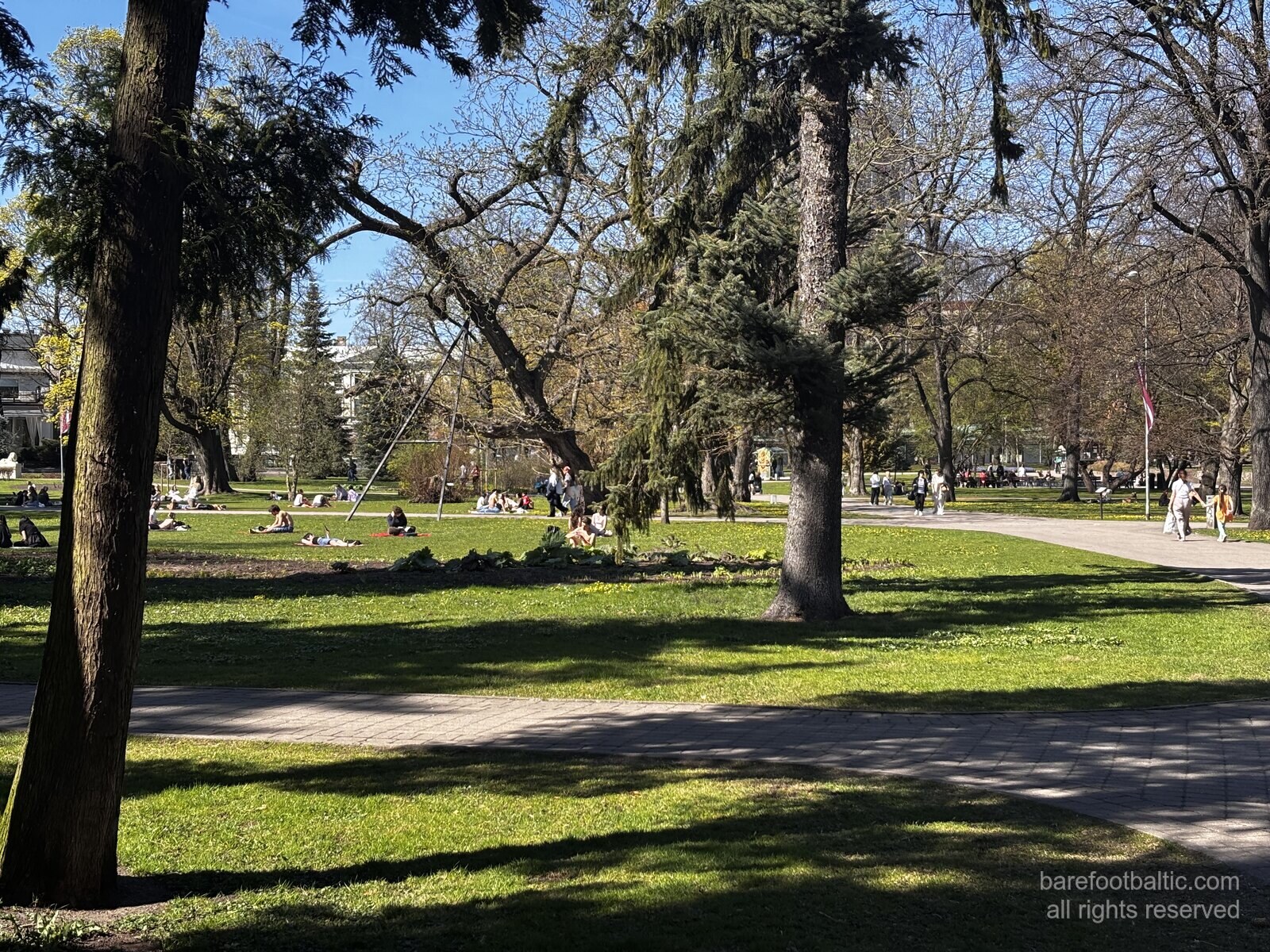
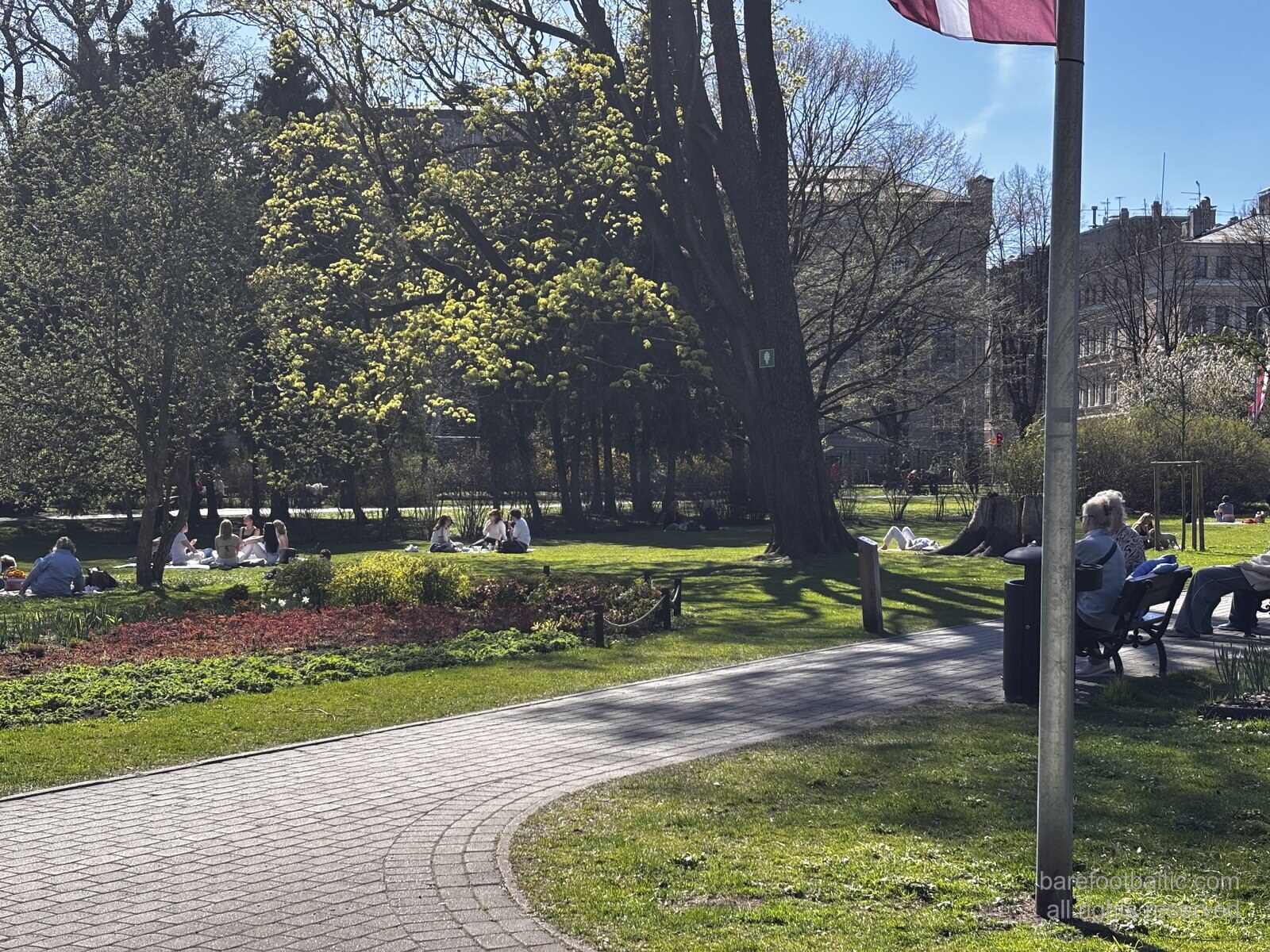
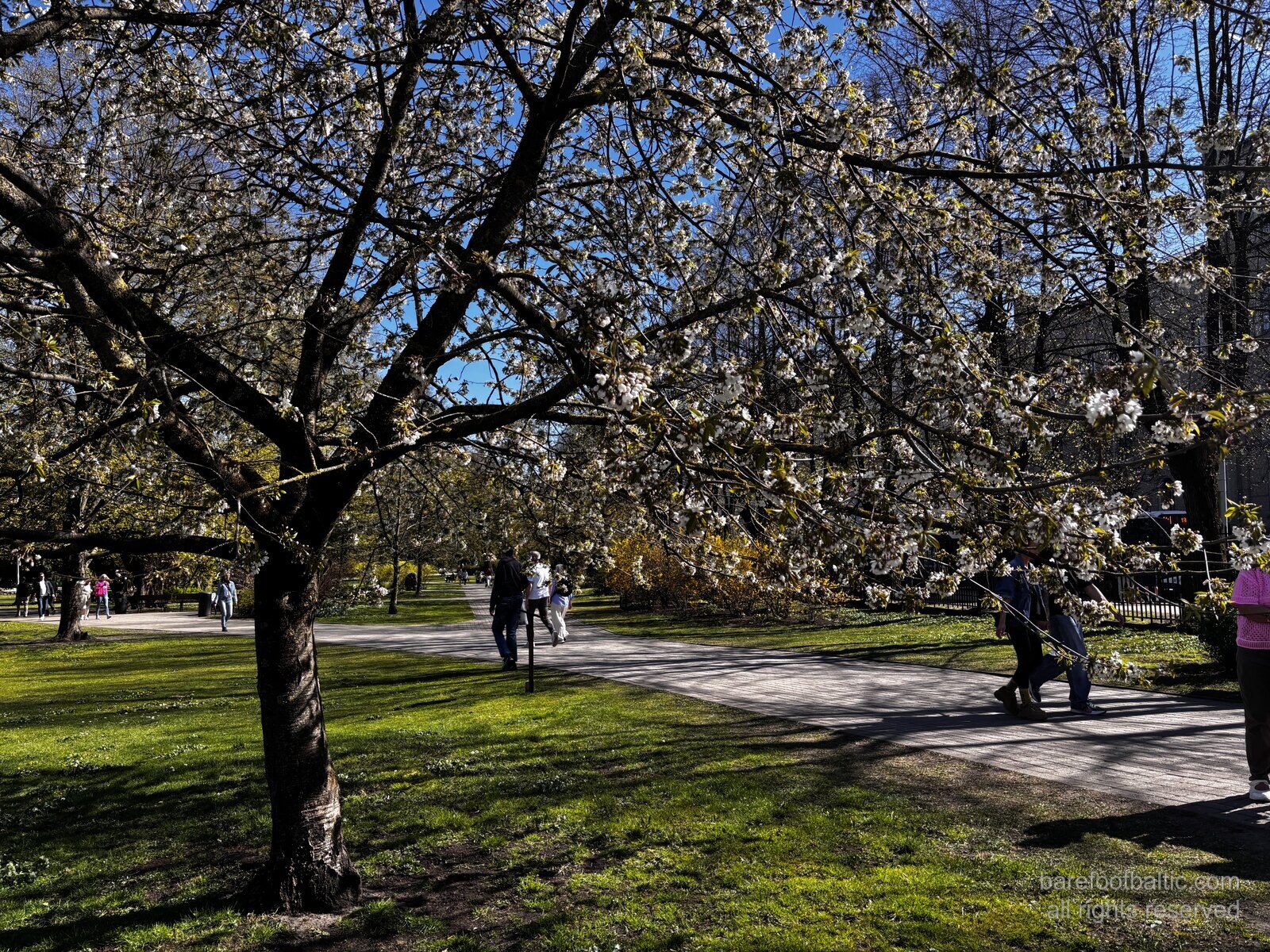
The fountain, the lawns, the bench, the spring cherry blossom. Click any image for the full-size view.
Short answer, what Vērmanes dārzs is
Vērmanes dārzs (Vērmane Garden, also known by some as ‘Merķeļa Park’ from the street that borders its southern edge) is Riga’s oldest public park. It was founded in 1817, named for Anna Wöhrmann, the wife of a wealthy German-Baltic merchant who paid for it. It sits at the eastern edge of the Old Town in what is now the ‘Quiet Centre’ (Klusais centrs), bounded by four streets, Tērbatas, Elizabetes, Kr. Barona, and Merķeļa iela.
This is the park Rigans actually use. On a sunny May afternoon, half the Quiet Centre is here on the grass, with a coffee or a book or both. The cherry trees flower in early May. The central fountain runs from late April to early October. No entry fee, no fence. You walk in.
Five minutes’ walk east of the Freedom Monument. If you have an afternoon between Old Town stops, this is where to spend twenty minutes of it.
A short history
The park was founded in 1817 on the eastern edge of what was then the suburbs of Riga, just outside the old city walls (which were demolished a few decades later). The land was donated by Anna Wöhrmann, the widow of a German-Baltic merchant. The park was named after her. The original layout was English-Romantic in style. Winding paths, mature trees, a small lake, the occasional pavilion. The 19th century added the central fountain (designed by August Volz, a German-Baltic sculptor active in Riga), the open-air summer stage on the southern edge, and a small concert pavilion.
By the early 20th century, the park was the centre of Riga’s middle-class outdoor life. Weekly band concerts in summer, public skating on the small frozen lake in winter, public events on the lawn. The Soviet occupation kept the park, renamed it briefly ‘Kirov Garden’ for a Soviet politician, used it for May Day rallies, and put up a Lenin statue on the western edge (since removed). At independence in 1991 the original name returned. The park’s daily rhythm is the same as it was a hundred years ago.
What to look at, walking through
The park is roughly the shape of a soft rectangle, four streets’ worth across, with three main pathways crossing it diagonally. A few things are worth a moment.
The central fountain. A small bronze figure of a child holding a fish, atop a stone basin with three sculpted female figures around the rim. Designed by August Volz in the 1880s. The bronze went into hiding through both world wars and was reinstalled in 1996. The fountain runs from late April to early October. Locals sit on the rim in summer.
The summer outdoor stage. On the southern edge of the park, with permanent benches in front. Free concerts run on summer evenings, mostly Latvian folk groups, choirs, and small jazz ensembles. The schedule is posted on a board near the stage. In July it’s every other evening.
The cherry trees. A row of Japanese cherries on the central pathway, planted in the 2000s as a gift from the Japanese embassy in Riga. They flower for about ten days in early May. People walk slowly here that week. It’s the closest Riga gets to hanami.
The mature trees. A handful of the oaks and limes are over 150 years old. They were already mature when the park was founded. There’s a botanical labelling project on the larger trees with small plaques giving species and approximate planting dates.
Vēl vienu stundu, lūdzu. Saule vēl ir stipra.
Said quietly to a friend on a Vērmanes bench in May. In English, “one more hour, please. The sun is still strong.”The park through the year
Spring is the headline season. The grass dries out in late April. The cherries flower in early May. By mid-May the park is fully in leaf and full of locals. This is when the city decides summer has begun.
In summer the stage carries outdoor concerts, the fountain runs all day, and the benches fill from morning until late evening (sunset around 22:30 in late June). The park is at its prettiest in early morning before the city wakes, or in the long golden evening.
September and October give the best photographic light. Golden leaves, low sun, fewer people. The benches are still in use. The fountain runs into early October before being drained.
Then the park goes quiet. The fountain is covered, the paths are cleared, the lawns left to the snow. On still cold days the trees stand out sharply under a fresh fall. Overcast ones, the park can feel sombre in a useful way. Bring proper boots.
Practical answers
Where it is and getting there
Bounded by Tērbatas iela (west), Elizabetes iela (north), Kr. Barona iela (east), and Merķeļa iela (south), in the Quiet Centre of Riga, just east of the Old Town. Five minutes’ walk east of the Freedom Monument. Closest tram stops are Brīvības Piemineklis (five minutes) and Tērbatas iela. Multiple entrances on all four streets. No fence, no gates.
Hours, cost, what to bring
Open 24/7, free, no entry fee. The fountain runs late April through early October. Public toilets on the south-east edge near the Merķeļa entrance, paid (€0.50 to €1). Café kiosks on the eastern edge in summer, with takeaway coffee, ice cream, and light snacks. There’s no on-park restaurant. For a sit-down meal, Tērbatas iela on the western edge has half a dozen casual restaurants within a two-minute walk.
Combining with the rest of a Riga walk
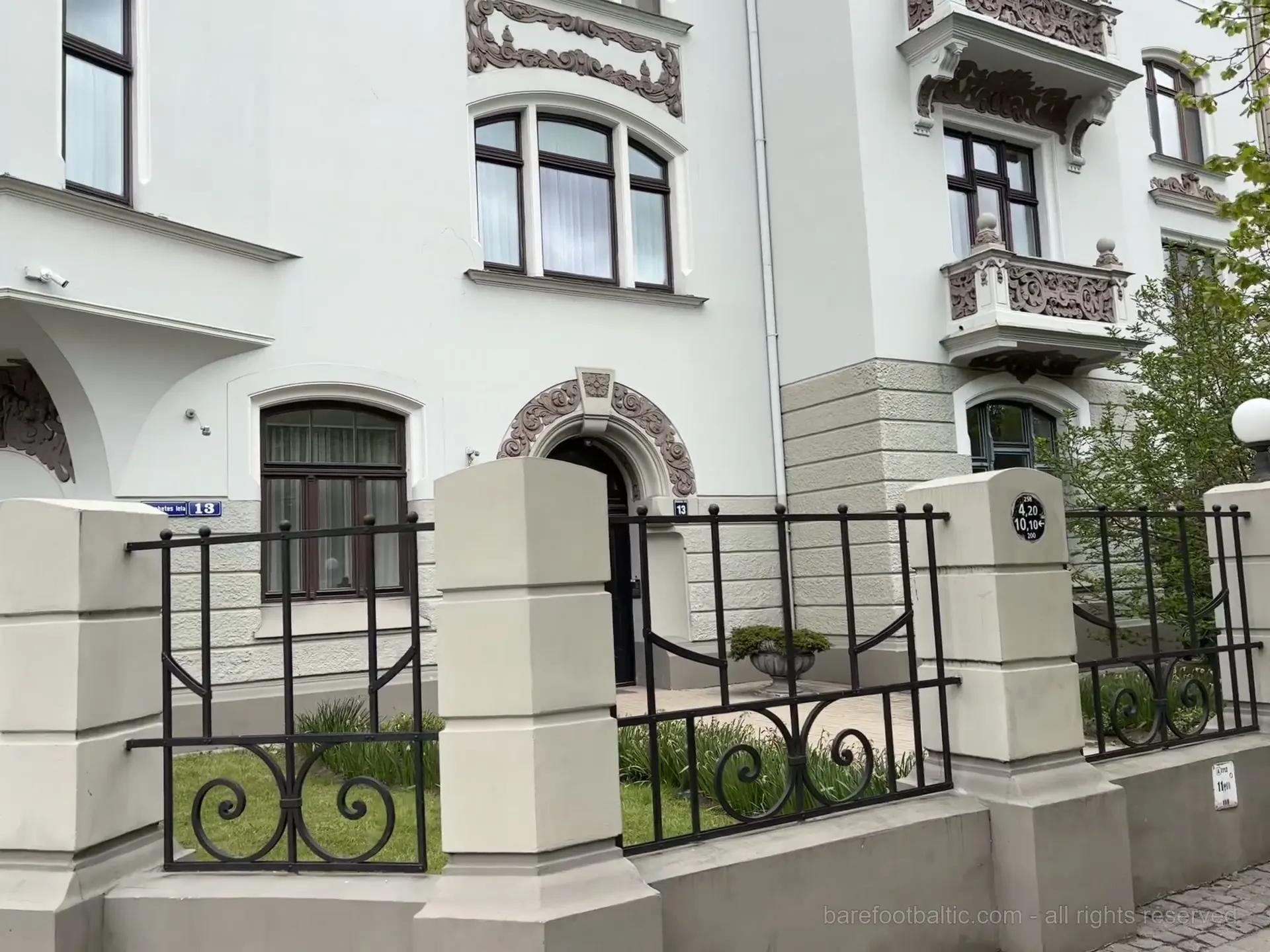
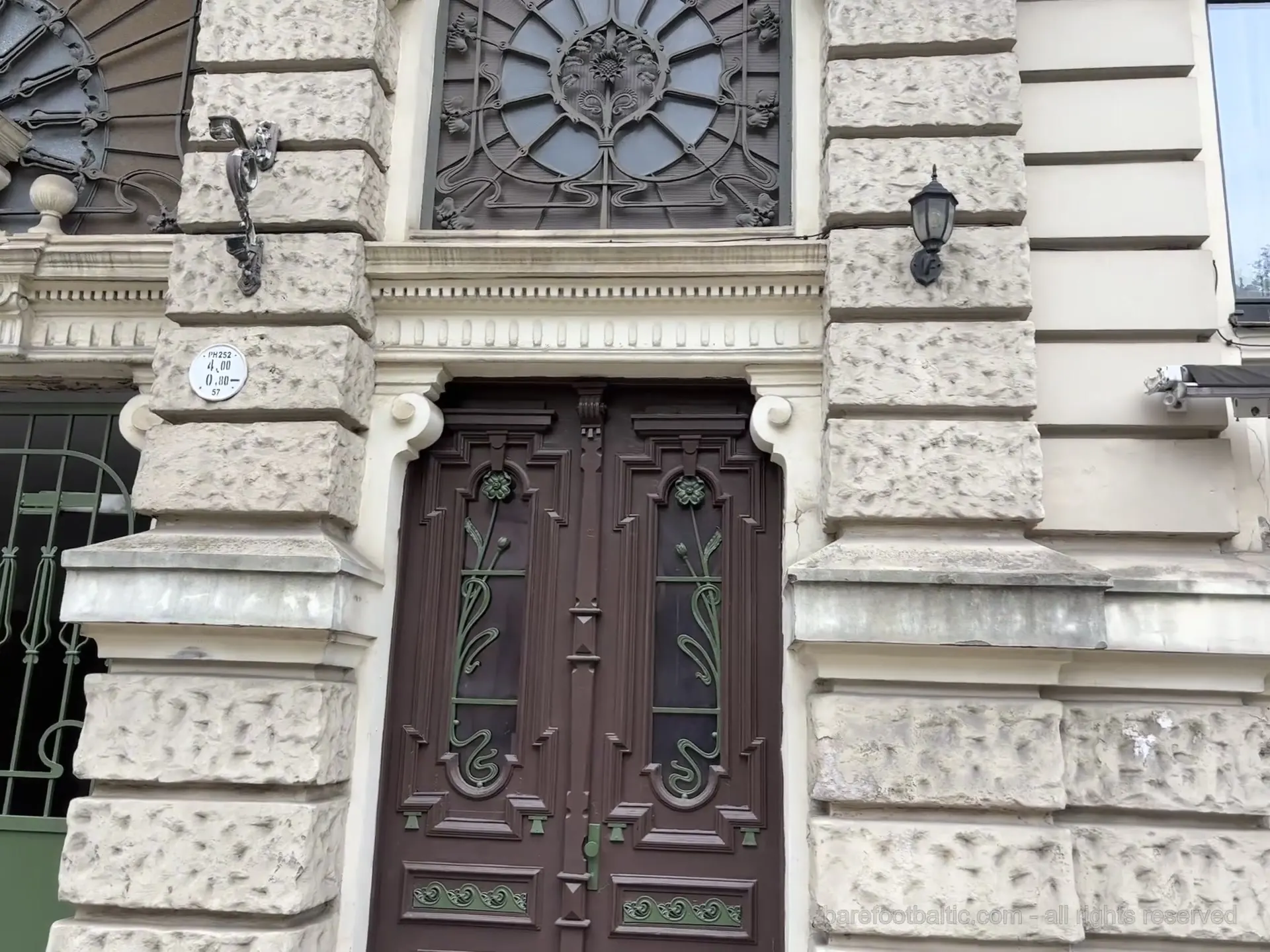
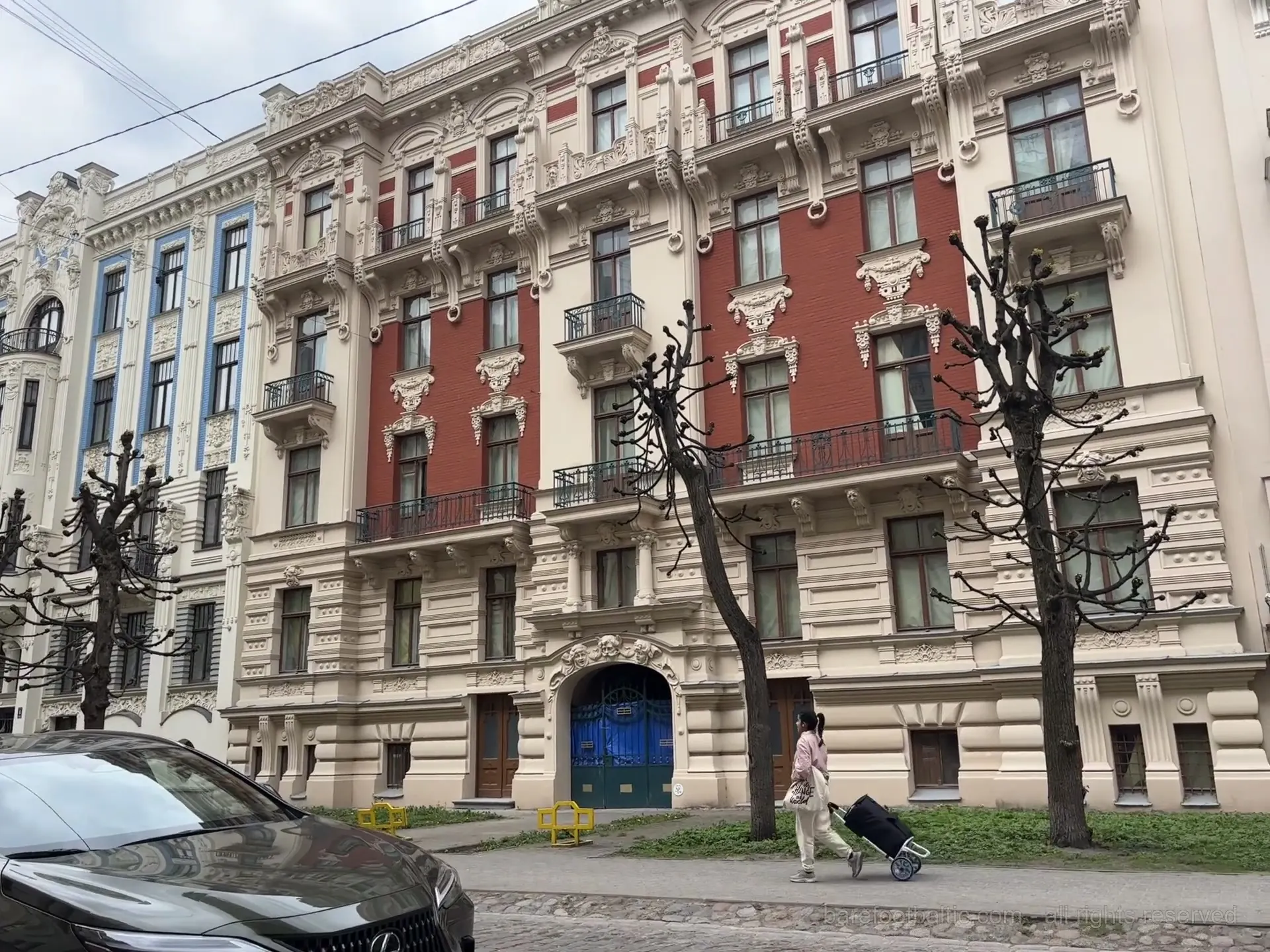
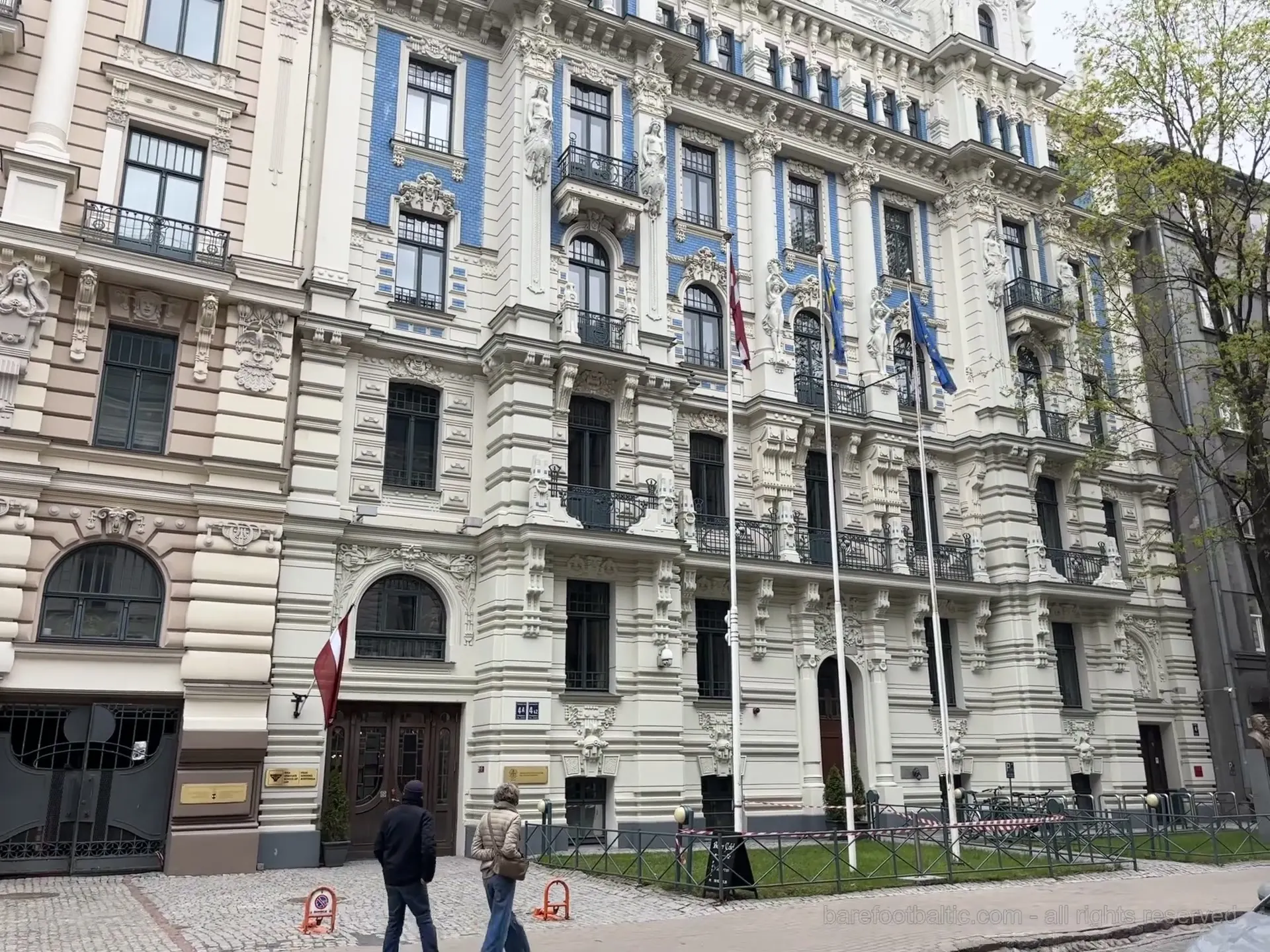
Vērmanes pairs with the eastern half of an Old Town day. From the Freedom Monument, walk east five minutes to Vērmanes for a sit-down break. From there, you can go two ways. Ten minutes north into the Art Nouveau Quarter (Alberta iela, Strēlnieku iela) for the Jugendstil walk, or south to the Latvian National Opera. The full Old Town circuit and Quiet Centre context is in the pillar guide.
My take
You’re not flying to Latvia for a city park. But you might be in the Old Town for three days, and at some point you’ll want to sit somewhere that isn’t a café or a tourist square. Vērmanes is that place. Bring a coffee from one of the kiosks at the eastern entrance, find a bench near the fountain, and watch a Latvian Sunday happen for half an hour.
Frequently asked questions about Vērmanes dārzs
Daiga Taurīte is a licensed Latvian tour guide and co-founder of Barefoot Baltic, which runs small-group day excursions from Riga. She grew up in Riga, spent two decades working in London, and came home in 2024. Barefoot Baltic is licensed by Latvia’s Consumer Rights Protection Centre (PTAC), holds ATD passenger transport licence PS-01995, and is insured by BTA Baltic for civil liability.
If you’d like a half-day with a licensed Latvian guide that includes the Old Town, the Freedom Monument, and a sit-down break in Vērmanes, get in touch.